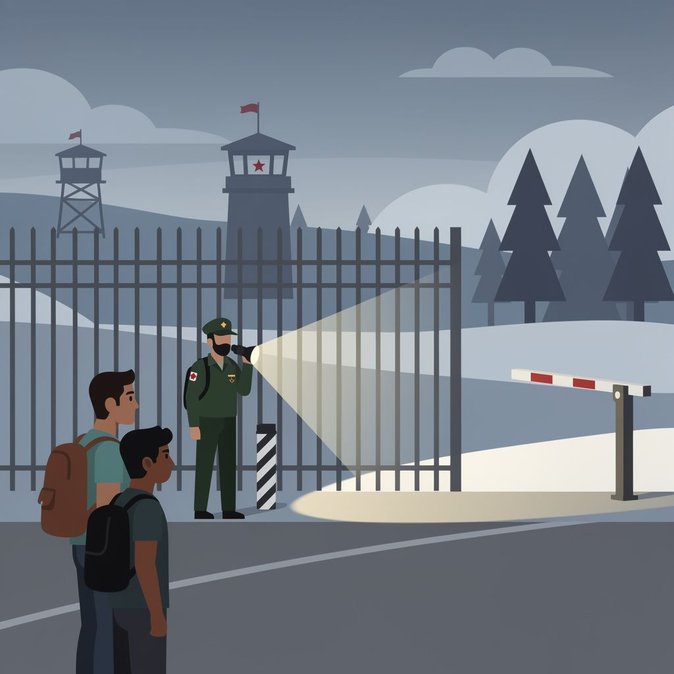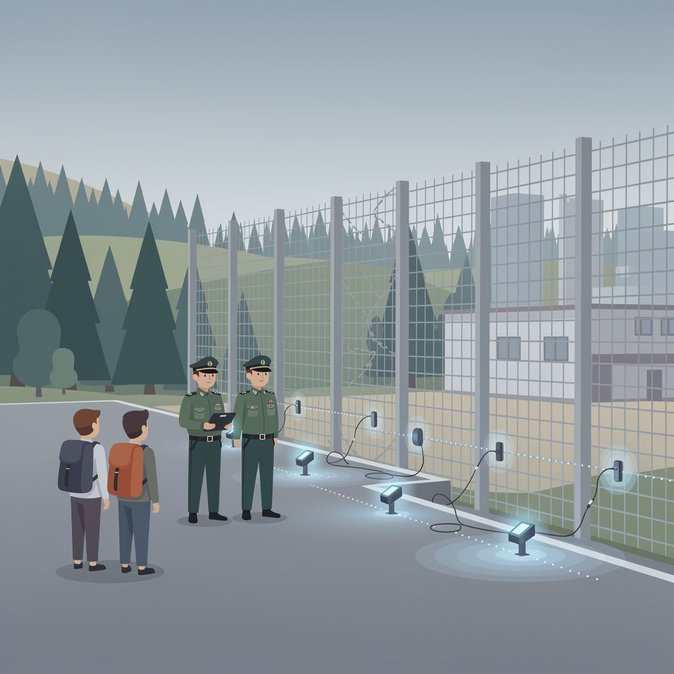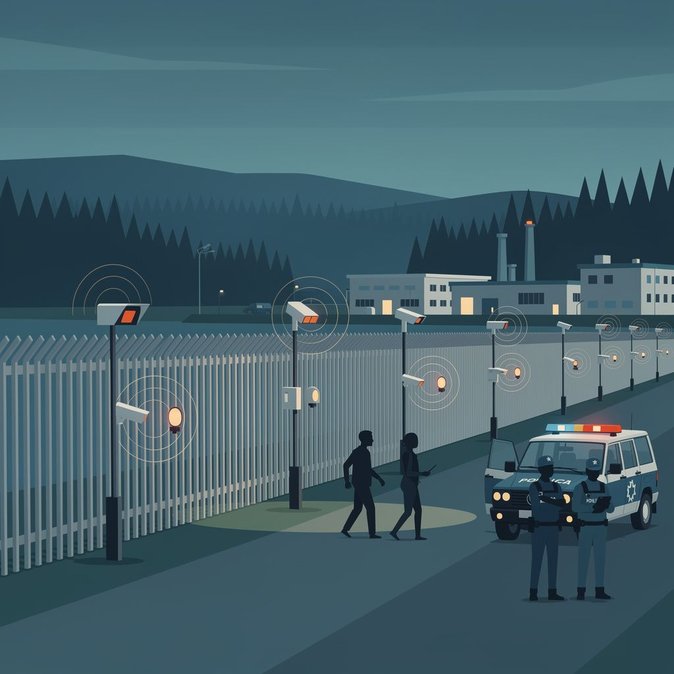
Just 24 hours before the Imatra breach, the Kainuu Border Guard opened an investigation into a separate unauthorised entry 300 kilometres farther north in Suomussalmi (reported 20 July 2026). Two individuals, believed to be fleeing the war in Ukraine, travelled on foot through forested terrain from Russia into Finland, seeking shelter in remote cabins before surrendering and requesting asylum. Major Mika Keränen told Yle that neither person carried travel documents, complicating identity checks. The crossing site lacks the new steel-mesh barrier now being installed in more southern sectors, illustrating how traffickers may simply relocate their routes as physical defences advance. Finnish and Russian border commissioners have exchanged information, but the investigation remains solely on the Finnish side. Finland recorded only 39 detected illegal crossings in 2025, down from several hundred during the 2023 migration-pressure episode that led to the indefinite closure of all but one land checkpoint. Yet the back-to-back incidents in Suomussalmi and Imatra suggest a seasonal uptick that could test the capacity of local patrols and asylum reception centres. For employers relocating staff to northern Finland—mining, forestry and data-centre projects cluster near the eastern border—the renewed spotlight on irregular migration may translate into tighter road checks and delays on regional highways 5 and 6. Companies should brief drivers on documentation requirements and factor possible spot controls into logistics timetables.
Source: Yle