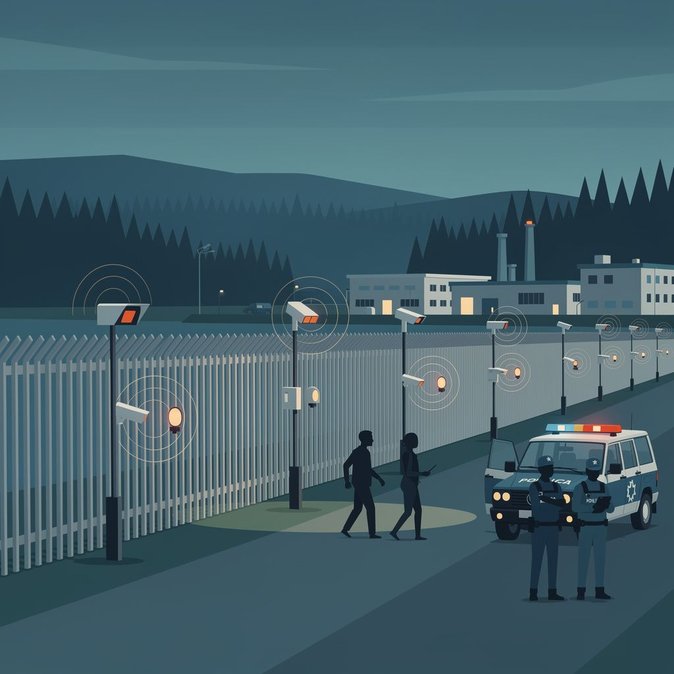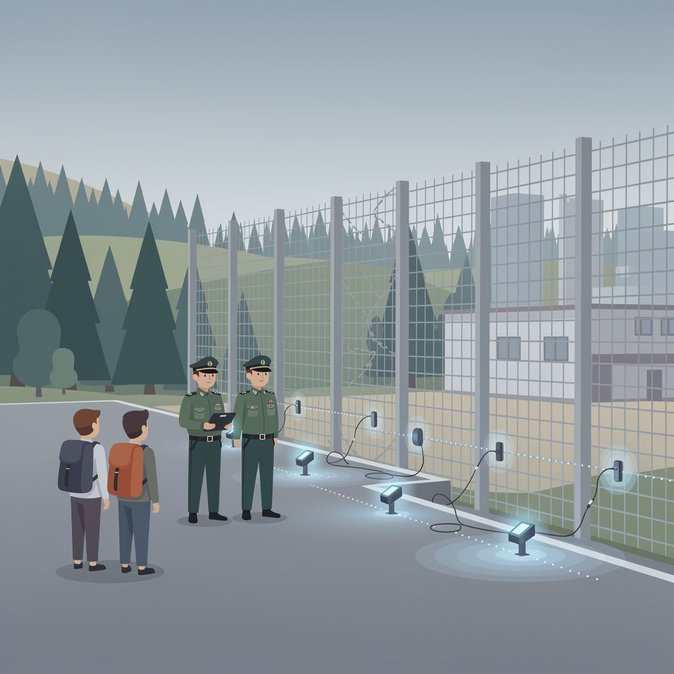
The Southeast Finland Border Guard confirmed on Tuesday evening (21 July 2026) that two foreign nationals were apprehended after slipping across the Finnish-Russian land frontier near Imatra. The crossing point is part of the 200-kilometre barrier system that Finland began erecting in 2023 to deter instrumentalised migration from Russia; the specific sector is still under construction, leaving gaps that smugglers and spontaneous migrants can exploit. According to Deputy Commander Antti Virta, an electronic sensor network triggered an alarm shortly after 17:00, enabling patrols to intercept the pair within minutes only a few metres inside Finnish territory. Russian border officers cooperated by confirming an incursion on their side, an unusual display of coordination amid otherwise frosty bilateral relations. The detainees immediately applied for asylum, which means the case moves from criminal investigation for “state-border offence” to an administrative asylum procedure run by the Finnish Immigration Service (Migri). Although the Border Guard would not disclose the migrants’ nationalities, officers noted that unauthorised entries typically increase during the summer, when terrain is passable and daylight is long. The Imatra incident is the first in Southeast Finland this season, but it follows a similar case in Kainuu last weekend, suggesting pressure points may be shifting as traffickers probe the still-unfinished fence. For global mobility and relocation managers, the event underlines two realities: 1) Finland’s eastern land frontier remains effectively closed to regular travel, and even legitimate business itineraries must be routed through the single open rail crossing at Vainikkala or by air-sea options; 2) companies employing third-country nationals already in Russia should expect further scrutiny of work visas and travel histories if employees attempt overland entry to Finland. Firms planning cross-border projects in the Imatra-St Petersburg corridor should budget extra time for security checks and consider remote alternatives until the fence project is completed in 2027.
Source: Yle