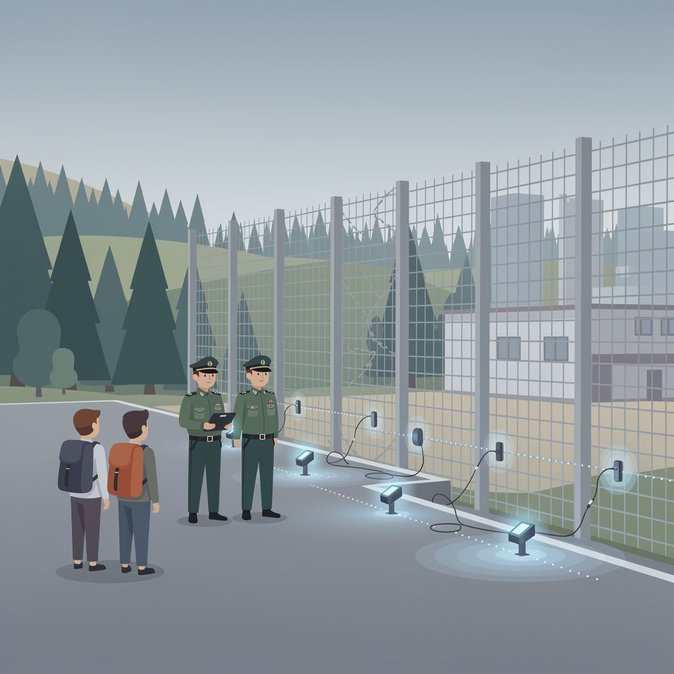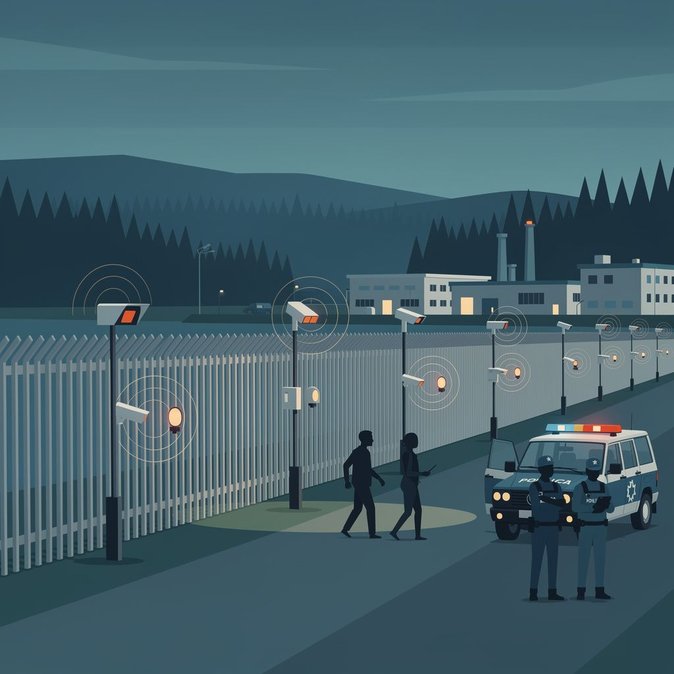
Later on 21 July, the South-East Finland Border Guard District disclosed a second overnight incident: two people crossed the green border at an Imatra sector where Finland is erecting a 200-kilometre pilot barrier fence. Deputy Commander Antti Virta told Yle that sensors embedded in the yet-to-be-completed structure alerted patrols, enabling a swift interception metres from the line. The barrier fence—Finland’s largest border-infrastructure project since the Second World War—is scheduled for phased completion by 2027 and is designed to channel all movements to controlled checkpoints. Although only partial sections are currently operational, Wednesday’s interception is being hailed internally as proof of concept for the project’s integrated detection technology, which combines thermal cameras, seismic sensors and AI-enhanced analytics. The detainees, whose nationalities were not disclosed, have applied for international protection. Their cases will be processed under the new triage system that emphasises rapid admissibility decisions and, where appropriate, safe-country returns. Authorities stressed there was no indication of a coordinated mass attempt, but conceded that summer traditionally brings more ‘opportunistic’ crossings. For businesses that rely on cross-border logistics—particularly forestry, mining and energy firms operating near the Karelia region—the incident offers a glimpse of how the fence and its accompanying exclusion zone may affect workforce mobility and supply routes. Companies with staff accommodation or project sites inside the new restricted buffer will need special permits and should prepare for more frequent ID checks. Finland’s Interior Ministry has invited corporate stakeholders to a webinar on 30 July to explain the fence timetable, access-permit process and the interaction between physical barriers and the EU’s forthcoming Entry/Exit System (EES). Attendance is recommended for mobility managers planning 2026–27 assignments in south-eastern Finland.
Source: Yle