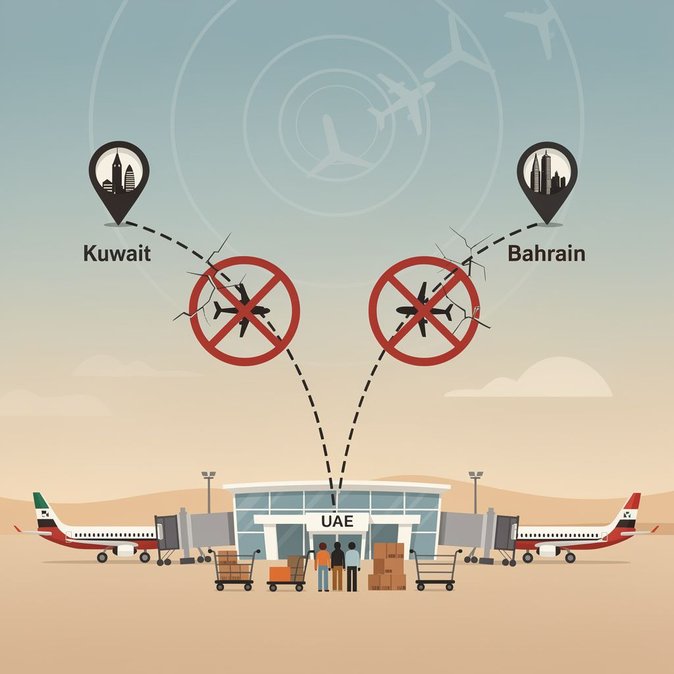
Gulf News reported on the morning of July 22 that Emirates, Etihad, flydubai and Air Arabia had collectively cancelled dozens of services linking the UAE with Kuwait City and Manama. The airlines cited “operational reasons” as missile and drone strikes tied to the escalating US-Iran conflict rattled neighbouring airspace. Emirates scrubbed multiple rotations (EK 853/855/857/859 and returns) and warned passengers that further Kuwait and Bahrain cancellations were likely on July 23. Etihad pulled Abu Dhabi flights EY 653/654 (Kuwait) and EY 647/648 (Bahrain), while flydubai and Air Arabia issued similar alerts from their Dubai and Sharjah hubs. Travellers were told to arrive three hours early, use online check-in and monitor airline apps for real-time updates. The disruption lands at the height of the summer peak, when GCC expatriates traditionally exit for annual leave and inbound leisure traffic spikes despite the heat. For companies managing duty-of-care, the episode reinforces the need for dynamic tracking tools that flag route changes and automatically rebook staff. Aviation analysts say UAE airports remain open, but carriers are routing around temporary danger zones, adding block time and fuel burn. If tensions persist, corporates may need to re-evaluate Kuwait and Bahrain trip schedules, build buffer days into project timelines and brief travellers on contingency accommodation costs.
Source: Gulf News