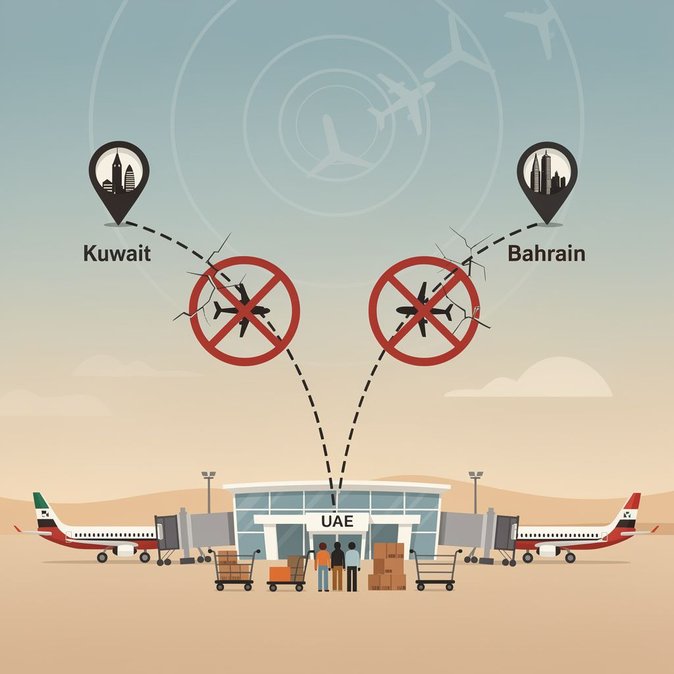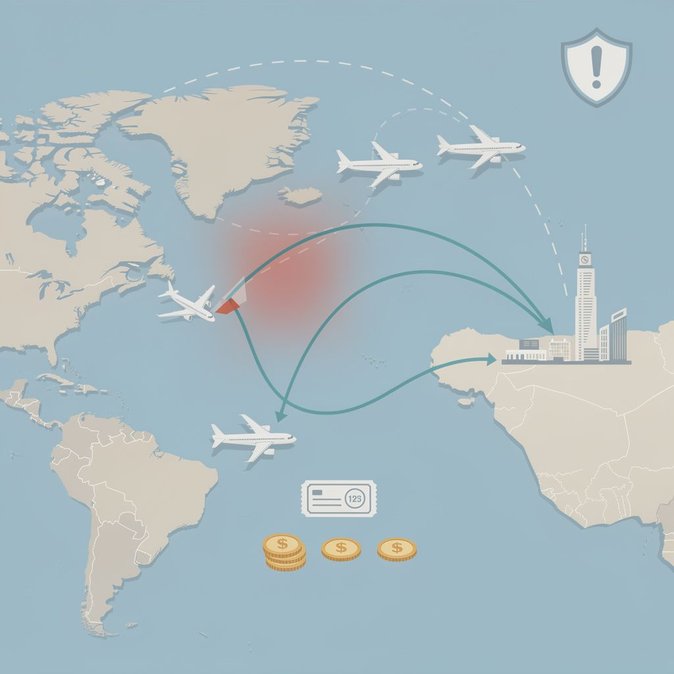
Condé Nast Traveller Middle East’s 22 July update details how the European Union Aviation Safety Agency (EASA) has advised carriers to avoid Emirati, Bahraini, Kuwaiti, Qatari and Omani airspace until at least 29 July because of intensified US-Iran hostilities. In response, a growing list of non-GCC airlines – including Air France, KLM, Lufthansa, Air Canada, Cathay Pacific and Singapore Airlines – have prolonged their Dubai suspensions into September and October. While Gulf carriers continue to operate reduced but regular schedules, the ex-Europe and ex-North America capacity gap is widening. British Airways, for instance, plans to restart London-Dubai flights only on 25 October, down-gauged to one daily frequency versus three pre-war. Airlines that do fly are charging premiums and advising customers to allow extra transit time as rerouting lengthens flight duration. For relocation managers, the advisory complicates talent moves from Europe and North America into the UAE. Longer lead times for entry, higher airfares and risk-based approval protocols are rapidly becoming the norm. Companies may need to shift short-notice meetings online or funnel travellers through alternative hubs such as Istanbul or Delhi. The UAE’s General Civil Aviation Authority emphasised that its own airspace remains fully open after a security review, but said it is “continuously monitoring the situation”. Mobility stakeholders should monitor EASA bulletins and insurer war-risk clauses, which could impact route availability at short notice.
Source: Condé Nast Traveller Middle East