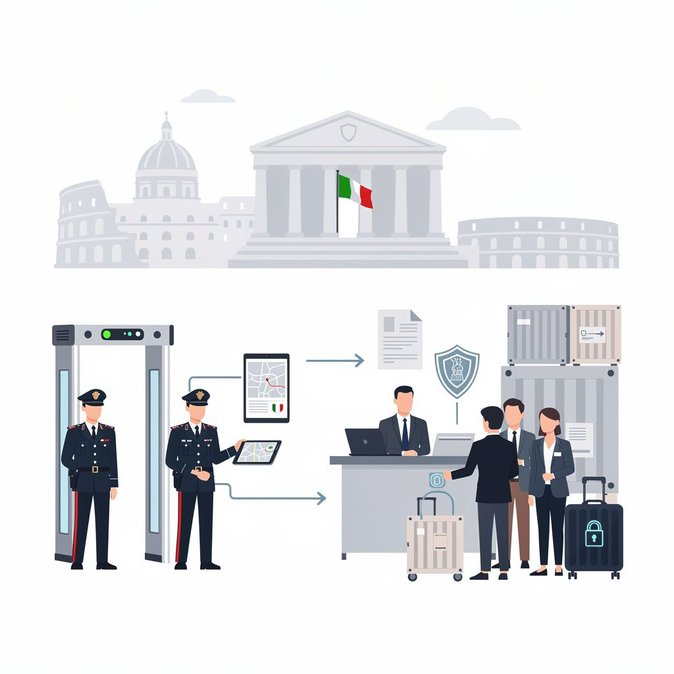
An unusual convergence of military police and diplomats took place at the Ministry of Foreign Affairs (Farnesina) on 22 July during the closing event in the series “The Carabinieri Meet Diplomacy”. Titled “The Fight Against Illicit Trafficking: International Challenges and Best Practices of the Italian System”, the forum was opened by Foreign Minister Antonio Tajani and Carabinieri Commandant General Salvatore Luongo. While largely a knowledge-sharing exercise, the event carries operational weight for global mobility. Speakers detailed how Italy’s specialised Carabinieri units screen supply chains, airports and seaports for counterfeit goods and human-trafficking networks—activities that increasingly intersect with business-traveller compliance and corporate duty of care. The Carabinieri highlighted the Successive Passenger Information System (SPIS), an analytical tool that cross-references airline PNR data with Schengen and Interpol alerts. Companies whose assignees pass through Italian hubs may face more secondary inspections if travel patterns match emerging risk profiles. The Foreign Ministry pledged to circulate advance notices through corporate-travel associations so that mobility managers can brief staff. A practical outcome is the creation of a joint liaison desk at Farnesina where multinationals can request pre-movement briefings for high-value cargo or sensitive personnel. Pilot clients in the pharma and luxury-goods sectors will begin using the desk from October. If successful, it could evolve into a permanent public-private partnership similar to the UK’s Joint Security Taskforce. Journalists attending required advance accreditation via the ministry’s online portal—an early test of the upgraded e-accreditation system that Italy plans to deploy for all major international events, further streamlining entry for foreign media and support crews.