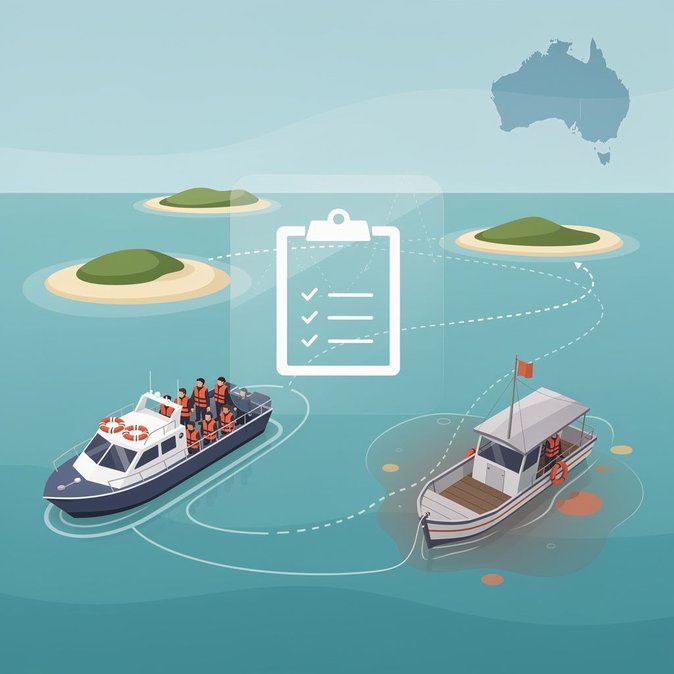
The Department of Foreign Affairs and Trade quietly refreshed its Marshall Islands travel advice on 22 July 2026, flagging heightened risks for travellers moving between atolls by small boat. Although Australia continues to rate the destination at the lowest advisory level, ‘Exercise normal safety precautions’, the new notice emphasises that many local vessels fall short of Australian safety standards and that visitor traffic is expected to increase in the August–October fisheries and project-development season. Business travellers heading to Majuro and outlying atolls for infrastructure, energy or fisheries projects are urged to verify operator credentials, insist on life-jackets, and carry satellite communication devices. Companies with Pacific footprint programmes should update their internal travel-risk assessments and confirm that local contractors have appropriate marine insurance. Typhoon season officially begins this month; DFAT reminds travellers that evacuation options are limited and that medical facilities outside Majuro are basic. Mobility teams should also note that visitors still receive a 30-day visa on arrival, extendable for a fee, but that proof of onward travel is strictly enforced after several recent overstays by foreign workers. Dual Australian–Marshallese nationals must enter on their Marshallese passport. The advisory reiterates vaccination requirements for children under five (MMR) and flags ongoing dengue-fever outbreaks. The updated guidance demonstrates Smartraveller’s growing focus on occupational health and safety in Pacific micro-states. Organisations sending staff offshore should subscribe to destination-specific email alerts and ensure journey-management plans cover maritime transfers as thoroughly as air and road legs.
Source: DFAT – Smartraveller