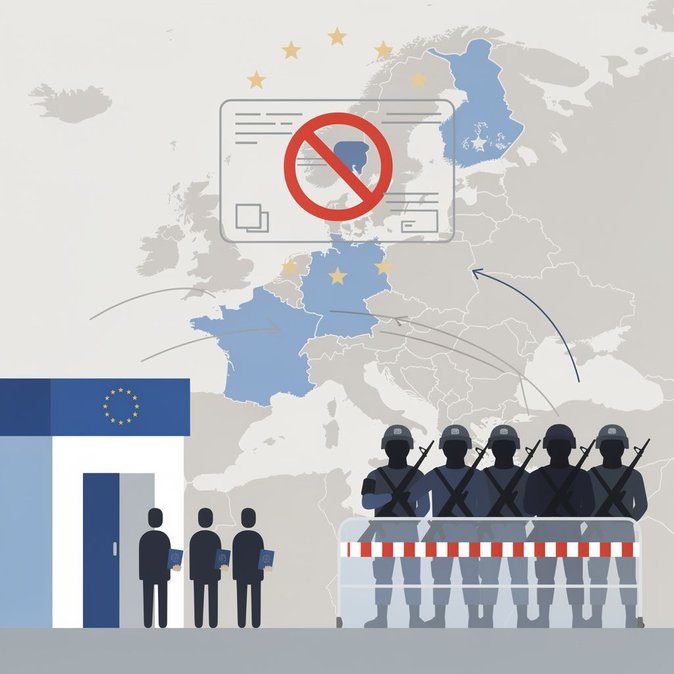
During a Quai d’Orsay press briefing on 23 July, Foreign-Ministry spokesperson Anne-Claire Legendre confirmed that France supported a new EU measure to prohibit the issuance of Schengen visas to individuals who have “actively fought alongside Russian forces” in Ukraine. The initiative forms part of the EU’s 21st sanctions package adopted in Brussels the same morning, which targets 220 additional Russian entities and persons. While the legal instrument still requires a separate implementing act, Paris’ endorsement removes a major hurdle: earlier leaks suggested France and Portugal were cool on the idea. Once enacted, the rule will empower consulates across the Schengen area to automatically refuse short-stay and long-stay applications from identified combatants, irrespective of their travel purpose. From a mobility perspective the impact is limited to a narrow cohort, yet the precedent is significant. It expands the grounds for visa ineligibility beyond terrorism financing and human-rights abuses into the realm of participation in foreign wars. Compliance teams supporting dual-national employees or contractors with past Russian military ties should review due-diligence questionnaires and, where necessary, seek legal advice before lodging French visa applications. The spokesperson also hinted that France may mirror the EU ban with national-level measures, potentially including asset freezes or expulsion orders for individuals already resident in France. Companies employing Russian nationals, especially in sensitive sectors, should therefore audit their workforce against forthcoming EU-wide watch-lists. The implementing regulation is expected to be published by early September, after which consulates will update their refusal templates and the France-Visas portal. HR and relocation providers should brief applicants that additional security-related questions may appear on Schengen forms and that processing times could lengthen while new screening databases are integrated.