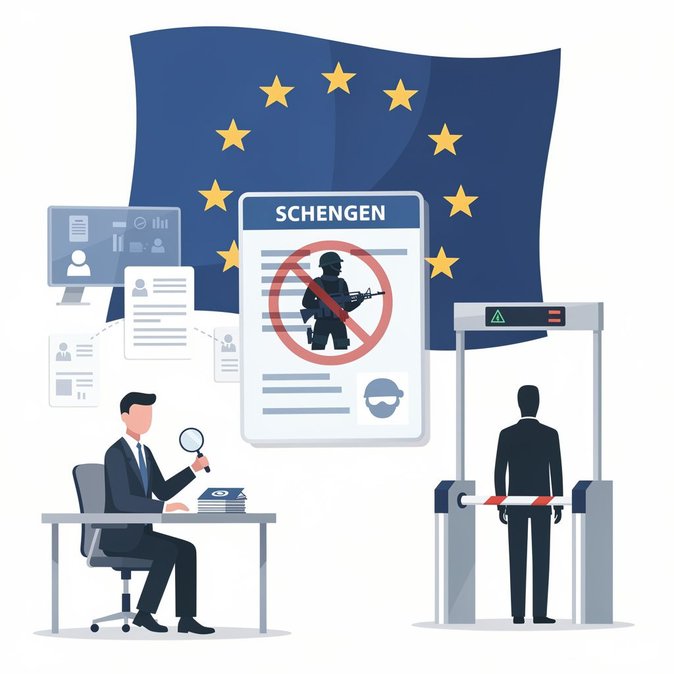
The Council of the European Union on 23 July adopted its 21ᵗʰ package of sanctions against Russia, adding 220 individuals and dozens of entities—but a provision that will resonate most with mobility managers is the legal basis for a comprehensive visa ban on people who have fought for Russian armed forces or proxy groups since 2022. Under the decision, Member States—including France—must refuse new Schengen visas to current and former Russian combatants and may annul existing visas on security grounds. The measure stops short of an automatic entry ban; national authorities retain discretion, but they must justify any exemptions to the Commission. French diplomats, who had previously argued that a blanket ban should be handled via visa-code reform rather than sanctions law, ultimately supported a compromise that allows case-by-case humanitarian waivers. Operational details will follow in an implementing act expected “within weeks,” EU officials said. Consulates will receive an EU-wide watch-list derived from battlefield data, open-source intelligence and Member-State security files. For corporate mobility teams the key immediate impact is tighter due-diligence: any Russian national who performed compulsory military service after February 2022 could face heightened scrutiny or refusal. The package also expands financial, energy and crypto restrictions and mirrors certain measures on Belarus, but from a mobility perspective the visa clause is the headline. It aligns EU policy with practices already in force in the Baltic States and Poland and reflects mounting security concerns after several sabotage attempts in Europe allegedly involving Russian passport-holders with combat backgrounds. French employers sponsoring Russian talent—particularly in tech, energy or academia—should pre-screen candidates’ military history and be prepared for longer processing times while consulates implement new vetting protocols. Firms may also need to update equal-opportunity policies to ensure compliance without discrimination. Immigration counsel recommend gathering detailed CVs and, where possible, certificates of exemption from military service to head off potential refusals. While the Council will review the efficiency of the ban in six months, few expect a rollback in the current security climate. Companies should therefore plan for sustained restrictions and explore remote-first or third-country assignment structures if key Russian specialists cannot obtain Schengen entry.
Source: Council of the EU (Consilium)