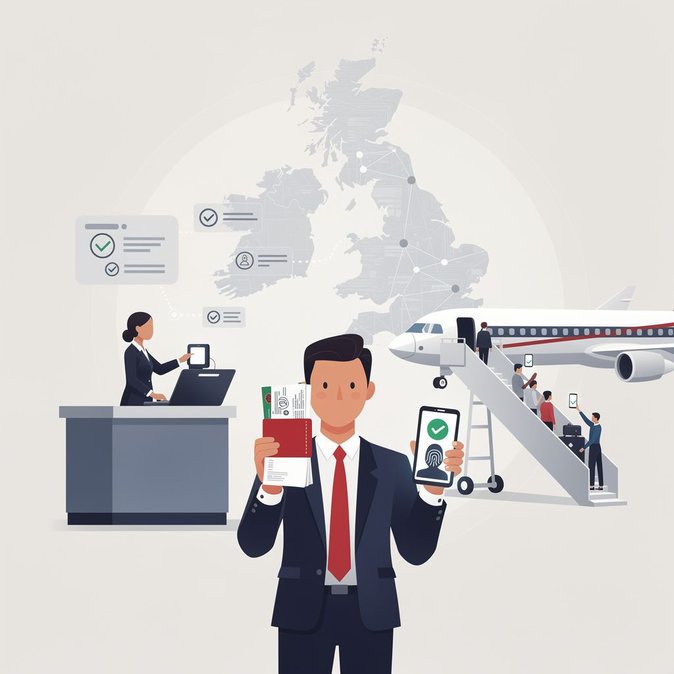
The Home Office has taken another step towards a fully paper-free border by publishing detailed guidance telling passengers to make sure their airline, rail or ferry operator can verify their status digitally before they leave for the United Kingdom. Released on 23 July 2026, the notice explains how carriers will increasingly rely on automated checks of a traveller’s UKVI account, eVisa or Electronic Travel Authorisation (ETA). Anyone whose passport details are not perfectly matched in the system risks being turned away at check-in. The document walks readers through common scenarios: visitors holding an eVisa, EU Settlement Scheme residents, dual British citizens travelling on a foreign passport, and those still using older physical vignettes or Indefinite Leave to Remain stamps. In each case, the department emphasises the importance of keeping passport numbers up to date online and, if necessary, generating a temporary ‘share code’ that ground staff can enter into their systems. For business travellers the message is clear: digital status is now the primary evidence. Companies organising short-notice trips should build an immigration status check into pre-travel workflows, especially where executives have recently renewed passports or switched immigration categories. Carriers face fines if they carry passengers without valid permission, so check-in agents are expected to enforce the rules strictly. The guidance is part of the UK’s wider “Permission to Travel” programme, which stopped issuing visa stickers to most new applicants on 1 July and will extend ETA requirements to all non-visa nationals by the end of 2027. Frequent flyers are being advised to create or update a UKVI account well ahead of the busy summer season, saving both airlines and travellers from last-minute boarding disputes.