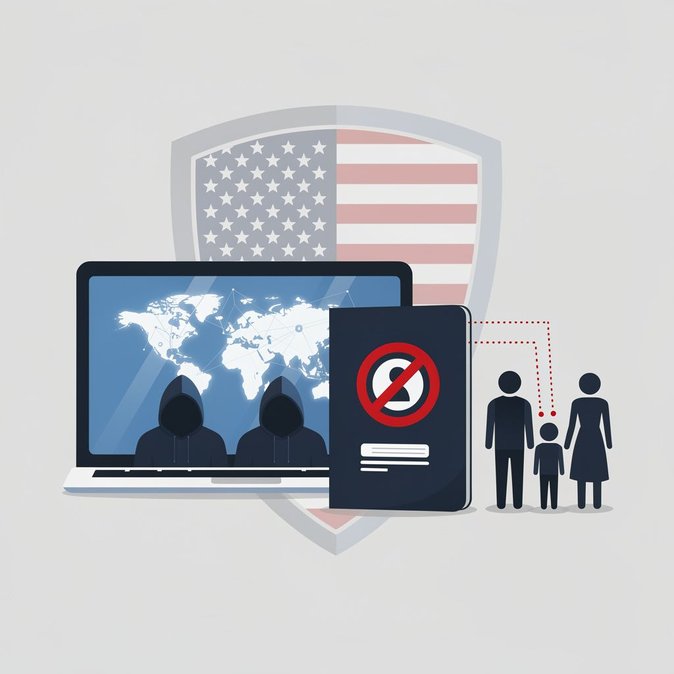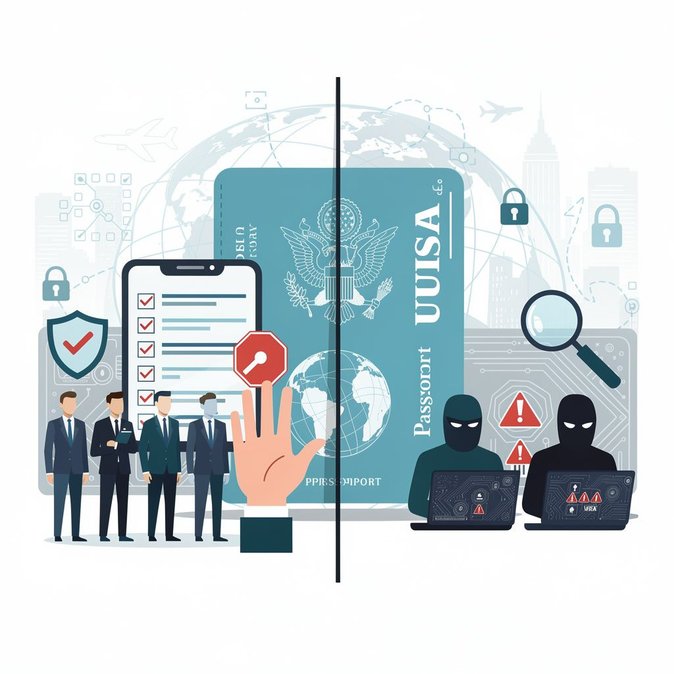
In one of the most sweeping uses of visa-revocation authority since the 2019 anti-fentanyl sanctions, the State Department on July 23 announced that it will deny or cancel visas for foreign nationals who organize or facilitate large-scale cyber scams and online sexual-extortion schemes targeting Americans. Secretary of State Marco Rubio said the new policy is aimed at transnational criminal networks—many with bases in China, West Africa and Southeast Asia—that robbed U.S. investors of an estimated $10 billion in 2024 and lured thousands of U.S. teenagers into sending compromising images for blackmail. The travel-ban authority extends beyond the ringleaders. Consular officers may also refuse visas to immediate family members if there is reason to believe they profit from, or knowingly abet, the illicit activity. Effective immediately, any pending B-1/B-2, F-1, H-1B or immigrant-visa application linked to designated individuals will be held or refused, and Customs and Border Protection has been instructed to deny boarding to affected travelers at foreign airports. Although the measure primarily targets non-U.S. citizens abroad, it has direct implications for U.S. businesses that outsource customer support, payment processing or digital-marketing tasks to high-risk jurisdictions. Companies that discover a supplier has been designated must file an updated contractor due-diligence report with Immigration and Customs Enforcement within 30 days or risk civil penalties. The American Gaming Association and major social-media platforms welcomed the move, saying it will deter money-mule recruitment and reduce charge-back fraud, but privacy advocates warned of possible guilt-by-association errors in family-member refusals. For global-mobility managers, the immediate action item is to screen all travelers and assignees against Thursday’s designations—especially Chinese, Nigerian, Thai and Cambodian nationals in sales or IT roles—and to prepare contingency plans if employees are stranded overseas. Immigration counsel recommend adding a new question to pre-trip approval forms: “Have you, a relative, or your employer ever received proceeds from online investment or romance schemes?” While the policy may evolve, multinational employers should assume the ban will remain in force through at least the 2027 fiscal year. Looking ahead, State and Treasury officials hinted that similar visa sanctions could be applied to ransomware syndicates and AI-enabled deep-fake fraud rings, underscoring Washington’s willingness to weaponize mobility controls as part of broader cyber-security strategy.
Source: Associated Press