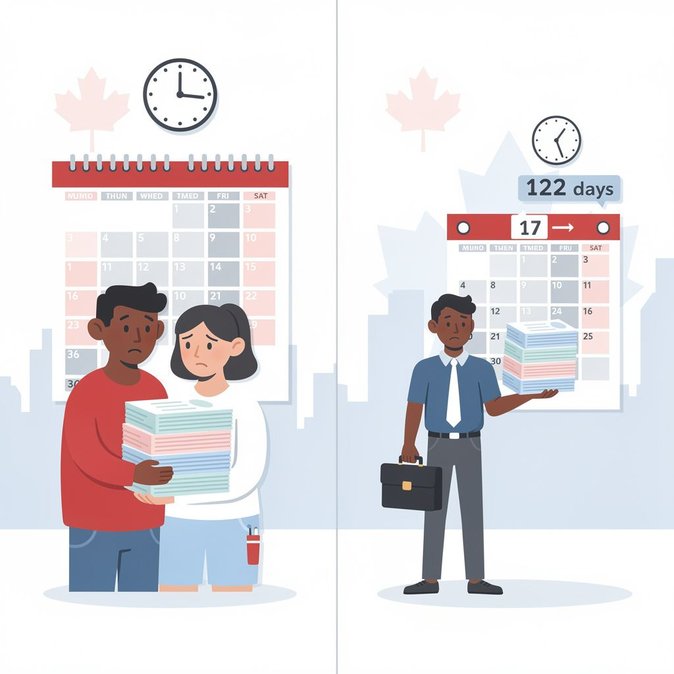
ImmiSignal’s dashboard, which scrapes Immigration, Refugees and Citizenship Canada’s public processing-times tool every morning, synced at 07:00 ET on 24 July 2026 and revealed notable shifts: spousal/common-law sponsorship now averages 17 months (up two weeks week-on-week), while LMIA-based and LMIA-exempt work-permit extensions inside Canada remain at 122 days. The snapshot confirms what many corporate mobility teams are experiencing: temporary-residence processing is holding steady, but backlogs are creeping into family streams as IRCC diverts staff to seasonal study-permit volumes. Parent-and-grandparent sponsorship remains the slowest at 30 months, reaffirming the need for Super Visas as an interim solution. Because the data feed is automated, the daily refresh provides an unofficial early warning before IRCC publishes its monthly trend report. Employers hiring foreign talent should budget at least four months for in-country work-permit amendments and counsel new hires that permanent-residence family reunification may now stretch beyond two years. Mobility advisers note that the 12-month processing target for citizenship applications is still holding, which is good news for long-term assignees planning naturalisation in 2027. However, any sustained uptick in family cases could spill over into economic streams if staffing isn’t rebalanced. Organisations are encouraged to maintain realistic timelines in offer letters and to use premium courier services to shave days off passport-submission steps when approvals finally arrive.
Source: ImmiSignal