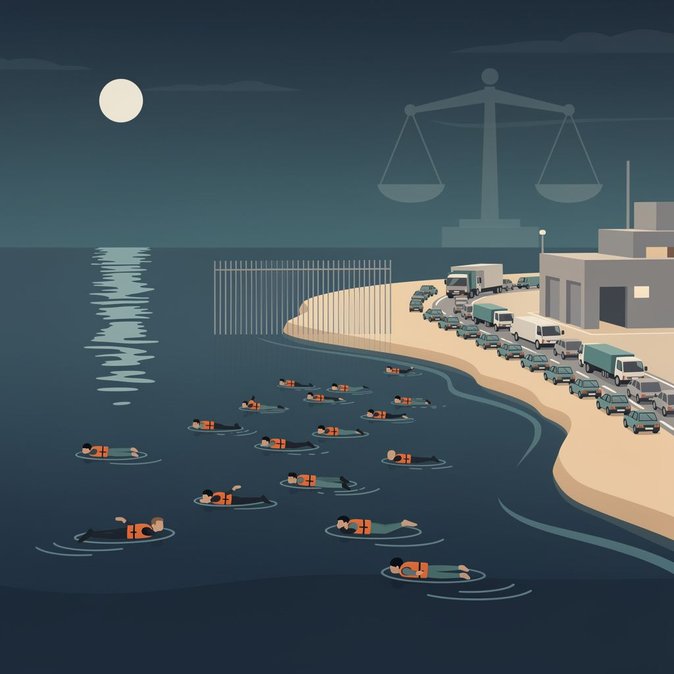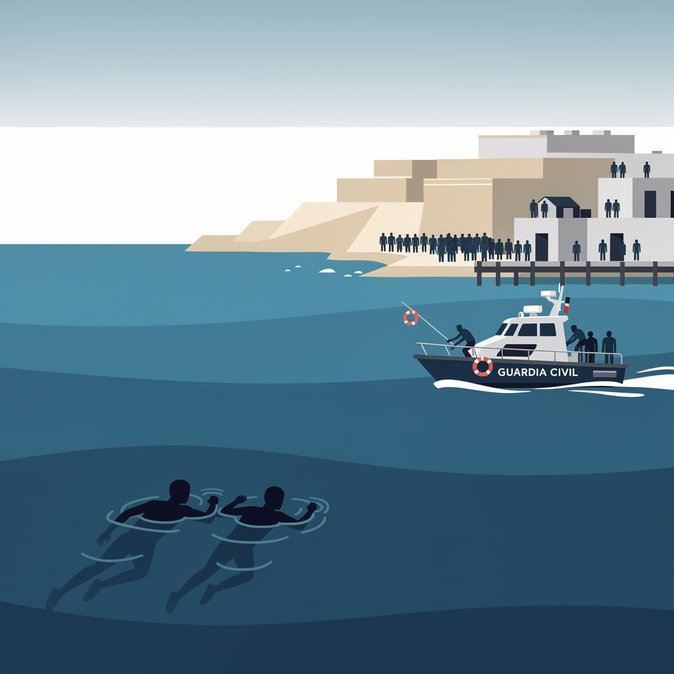
Only hours after intercepting more than a hundred would-be entrants, Ceuta’s Guardia Civil recovered three bodies from the sea on 26 July, bringing this year’s death toll in the enclave’s waters to 27. According to El Faro de Ceuta, the corpses were found at Miramar, El Sarchal and Juan XXIII beaches, popular spots for local residents. The victims—young men equipped with improvised flotation devices—are believed to have set off from Moroccan shores overnight. The grim discoveries occurred against the backdrop of mounting migratory pressure and a rescission of hot-return practices. Forensic police have launched DNA-matching procedures to identify the deceased and notify families, many of whom rely on social-media networks to track missing relatives. Ceuta’s morgue and the military refrigeration unit temporarily installed during previous peaks are nearing capacity. Human-rights NGOs are calling for urgent humanitarian corridors and expedited relocation of survivors to mainland Spain to avoid overcrowding at the city’s CETI reception centre, which is already 60 % above its official capacity. From a mobility-risk standpoint, the incident highlights the ongoing humanitarian and reputational challenges Spain faces in managing its EU external border. Cruise liners scheduled to dock at Ceuta have in the past rerouted following high-profile drownings, and insurance underwriters are reassessing cover for aid-worker assignments in the enclave. National political parties have demanded an extraordinary session of the Interior Committee of Congress to discuss additional resources and possible bilateral measures with Morocco to prevent further loss of life.
Source: El Faro de Ceuta