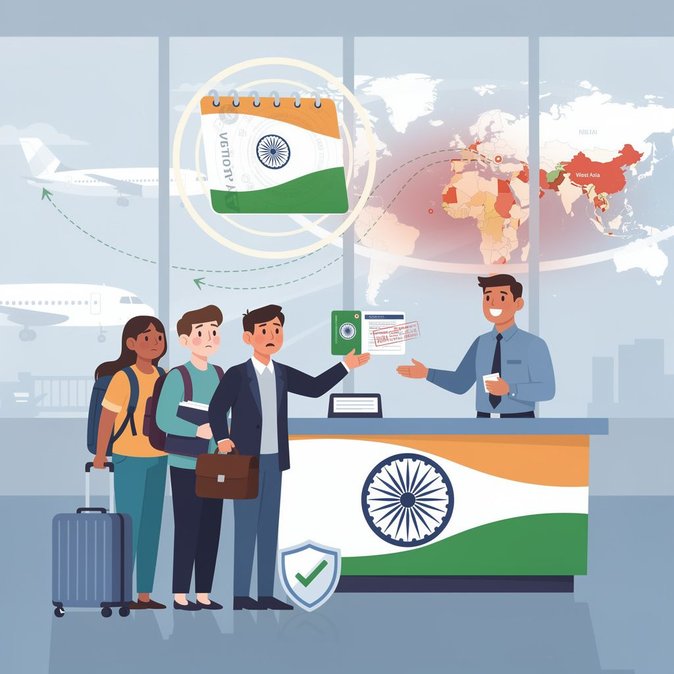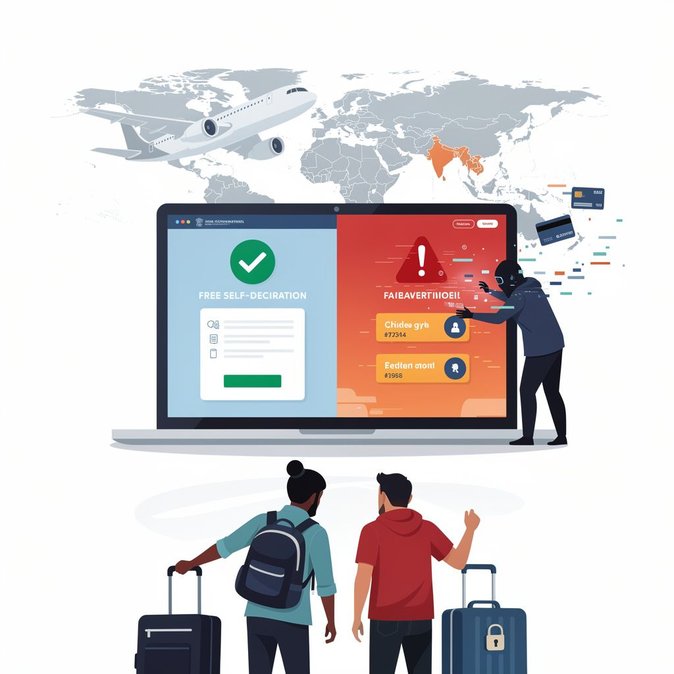
The Ministry of Civil Aviation on 25 July 2026 issued a public advisory alerting international travellers to India about a surge in fraudulent websites impersonating the government’s Air Suvidha 2.0 platform. Air Suvidha 2.0 is the compulsory online Self-Declaration Form (SDF) system that passengers must complete before boarding a flight to India. According to the ministry, scammers have cloned the interface, lured users through online ads and then redirected them to payment gateways, charging between ₹600 and ₹1,500 for what is a free service. Officials said more than 8,000 complaints were logged in the past fortnight, including reports of credit-card data theft. The government has asked India’s Computer Emergency Response Team (CERT-In) to block the fake domains and has notified INTERPOL’s cyber-crime directorate because many sites are hosted overseas. Airlines have been instructed to display the official URL— the booking process and at check-in counters worldwide. For global-mobility teams relocating talent to India, the advisory means travellers must be briefed to use only the official portal and to ignore third-party links circulated on social media. Companies should update pre-departure checklists, integrating the correct Air Suvidha link into travel-management tools and providing a single point of contact for employees who run into technical issues. The episode also underscores a broader trend: as governments digitise border formalities, cyber-criminals are exploiting brand confusion. Mobility managers may need to add “cyber-hygiene” to their duty-of-care frameworks, ensuring staff verify URLs, avoid unsolicited QR codes and use corporate VPNs when uploading passport data. The Civil Aviation Ministry says it is working with India’s Home Ministry to integrate Air Suvidha 2.0 into the Immigration, Visa, Foreigners Registration and Tracking (IVFRT) system later this year, which should allow real-time verification at airports and reduce the window for fraud.