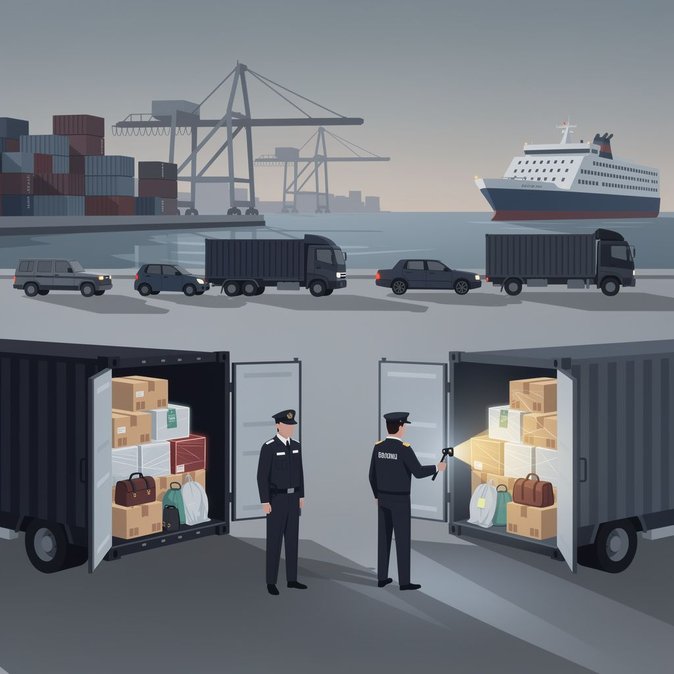
Ireland’s Revenue Customs Service has announced back-to-back drug hauls at Dublin Port valued at nearly €9.6 million, underscoring a sharply increased security posture that global mobility managers should note ahead of the August holiday travel surge. In the first incident, publicised on Monday, 27 July, customs officers—assisted by detector dog Darcy and a mobile X-ray scanner—intercepted 24.5 kg of cocaine concealed in a refrigerated container that had arrived from Rotterdam. The narcotics carry an estimated street value of €1.7 million. Just hours later, Revenue issued a second press release confirming the seizure of 392 kg of herbal cannabis, worth €7.84 million, during a joint intelligence-led operation with the Garda National Drugs & Organised Crime Bureau on 25 July; details were released today to coincide with follow-up arrests. Although the consignments targeted the illicit market, the scale and timing of the operations highlight intensified cargo screening that will inevitably capture legitimate freight and passenger flows. Dublin Port handles about two-thirds of Ireland’s roll-on/roll-off traffic with Great Britain and mainland Europe. Enhanced scans and canine inspections can add 30 to 45 minutes to truck turnaround—a small margin that can cascade into missed ferry departures or delivery windows, especially for temperature-controlled life-science goods. Irish authorities have not signalled additional passenger checks; however, historical precedent suggests that after major seizures, spot-checks on rental vehicles and courier vans increase for several days. Employers moving assignees or critical spare parts through the port should plan for possible delays and ensure drivers carry comprehensive manifests and proof of employer identity to avoid secondary screening. From a compliance standpoint, the interceptions reinforce Ireland’s duty-of-care expectations. Companies should remind transferees that transporting even residual controlled substances across the border—intentionally or otherwise—can trigger arrest, impacting immigration status. Mobility teams may also wish to liaise with customs brokers to confirm whether containers routed through Rotterdam face heightened scrutiny in the coming week.
Source: Revenue – Press Office