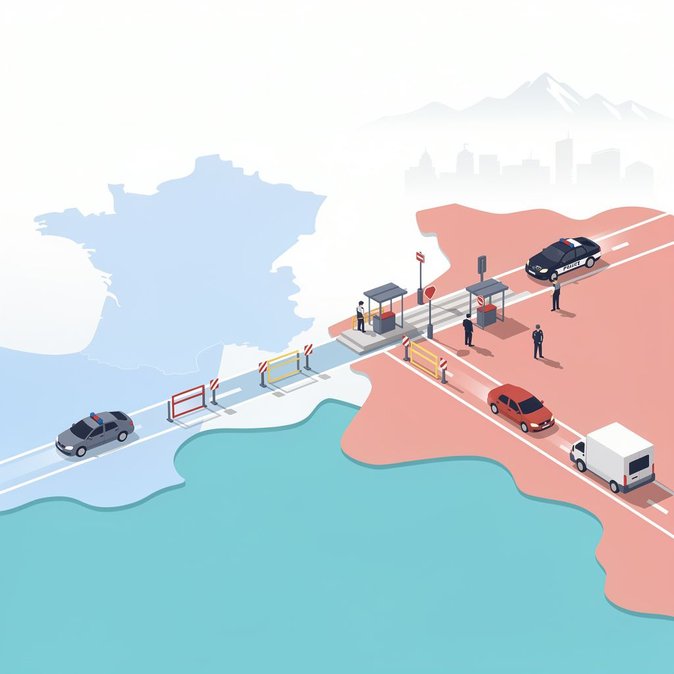
The United Kingdom’s Foreign, Commonwealth & Development Office (FCDO) refreshed its travel advice for Switzerland on 28 July 2026, adding a specific warning about disruption around the G7 summit that will take place in nearby Évian, France, from 15 to 17 June 2026. Although the summit itself lies six weeks in the past, preparatory security measures and rolling demonstrations have continued to affect the Franco-Swiss border in the Geneva basin—and could intensify whenever ministerial follow-up meetings occur. According to the notice, Swiss authorities plan to close several secondary border crossings and impose temporary controls at main points of entry during sensitive periods. Travellers driving between France and the cantons of Geneva and Vaud should therefore expect lengthy queues at the crossings that remain open. The canton of Geneva’s website provides day-by-day information on which routes are accessible. The FCDO also flags an authorised protest in central Geneva and warns that spontaneous, unauthorised demonstrations may erupt between 12 and 19 June in connection with the summit’s aftermath and subsequent ministerial sessions. Visitors are advised to avoid protest areas, monitor local media and follow police instructions. Although the advisory targets UK nationals, the guidance is pertinent for all multinational companies routing staff through Geneva or relying on just-in-time deliveries across the border. Mobility managers may wish to adjust ground-transport schedules, factor extra time for airport-to-France transfers and remind employees that Switzerland can re-activate Schengen internal border checks at short notice. The update underscores a broader trend: large international gatherings—even across the border—can ripple into Swiss territory, triggering pop-up border controls that negate the usual Schengen “soft” frontier. Firms with cross-border commuters or logistical operations in western Switzerland should build such contingencies into their risk and mobility planning.