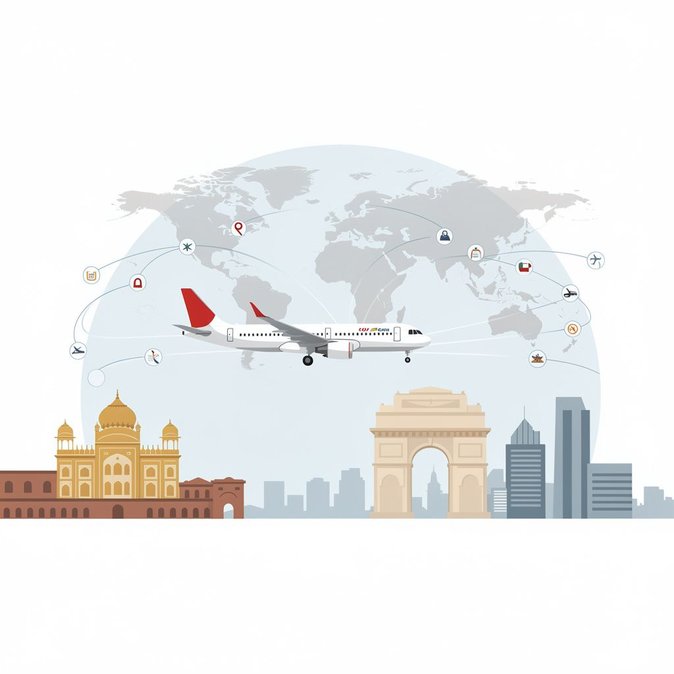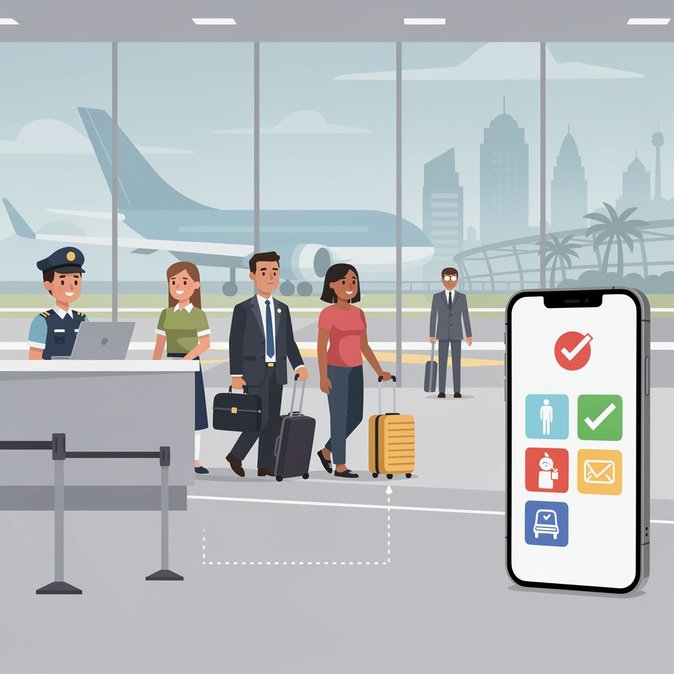
Mumbai’s Chhatrapati Shivaji Maharaj International Airport – India’s second–busiest port of entry for international travellers – has quietly updated its Arrival Passenger Guidelines, reflecting the nationwide Customs Baggage Rules 2026 that came into force this month. The revised guide, posted on 28 July, harmonises duty-free allowances across all Indian airports and formally embeds the ‘green’ and ‘red’ channel system into statute. Business and leisure travellers may now bring goods worth ₹75,000 (up from ₹50,000) free of duty when arriving from most countries, while the liquor allowance remains two litres but is now expressed in alcohol-by-volume equivalents to cover craft spirits. Operationally, the update makes pre-arrival digital declarations the default. Passengers are encouraged to file their currency, jewellery and high-value electronics details through the CBIC-endorsed Atithi mobile app before boarding their flight. The app now generates a QR code that can be scanned at e-gates immediately after immigration, reducing wait times – a change aimed squarely at premium and corporate travellers who cited long customs queues as a pain-point in the 2025 Airports Council International survey. For corporates moving assignees to India, the biggest change is clarification around unaccompanied baggage: household goods can arrive up to 30 days after the employee, provided they are listed in the original digital declaration. Companies that use unaccompanied air freight must ensure declarations are filed in the assignee’s name, not the relocation vendor’s, or risk penalties that start at 10 % of the goods’ value. Customs is also trialling an ‘Express Business Corridor’ at Terminal 2 that links immigration, customs and ground transport through a dedicated lane for passengers with Indian business visas or Overseas Citizen of India (OCI) cards. While still in pilot, officials say the corridor could cut kerb-to-kerb times by 20 minutes – a welcome development for time-pressed executives.
Source: Mumbai Customs Zone III