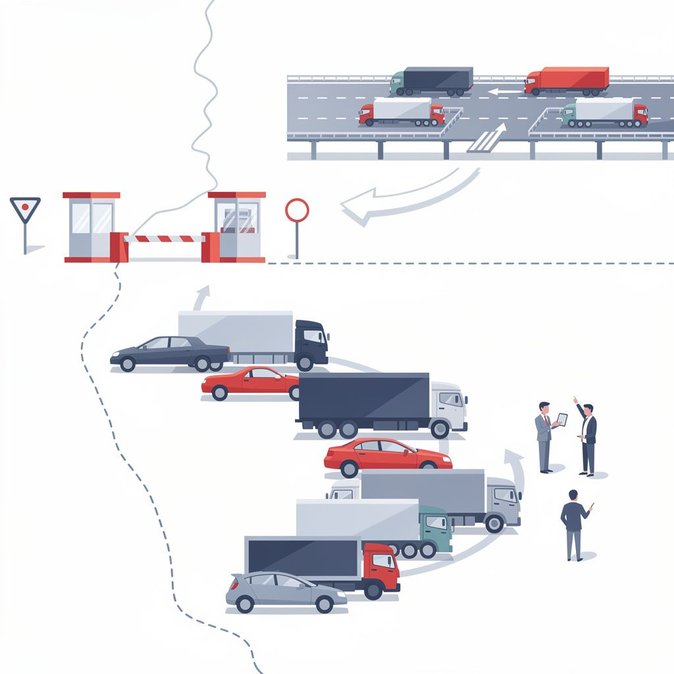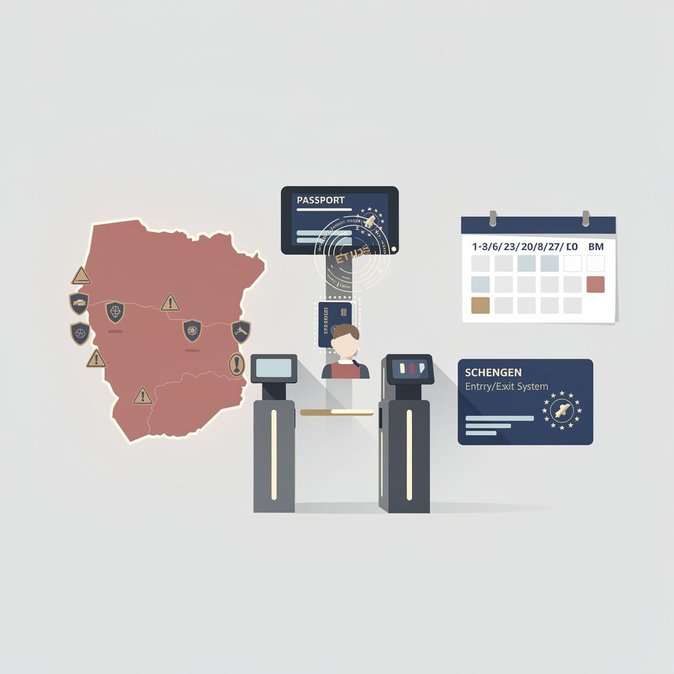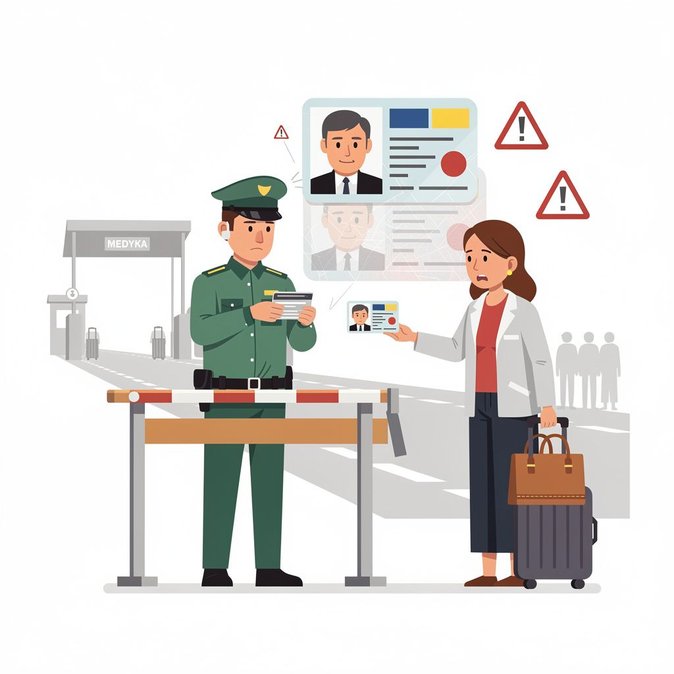
Polish airports, seaports and land crossings have been working with the EU’s new Entry/Exit System (EES) for more than three months, but yesterday’s European Commission update confirms just how quickly the smart-border platform is scaling up. According to Brussels, more than 145 million individual entries and exits by non-EU nationals have already been recorded across the Schengen Area since 10 April 2026. The Directorate-General for Migration & Home Affairs stressed that exempt categories—such as holders of Polish and other EU residence permits, long-stay visa holders and family members of EU citizens—must still show their passports or ID cards, but will not be fingerprinted or photographed at automated kiosks. For Polish employers the message is clear: anyone inviting short-term business partners from outside the EU needs to factor extra time (and data privacy explanations) into the arrival process. LOT Polish Airlines has already started posting EES reminders on its website, while several Warsaw-based relocation providers told Global Mobility News that corporates are ordering “EES cheat-sheets” for travelling executives. The update is equally relevant for border-adjacent manufacturing plants in Silesia and Podkarpackie that rely on non-EU technicians who shuttle in and out on tight maintenance windows. The system’s biometric component is proving reliable—Border Guard sources at Warsaw-Chopin say false rejection rates are “below one per 10,000 scans”—but the initial enrolment still adds 30-60 seconds per traveller. Over the peak summer travel weekend of 19-21 July, the extra processing time translated into 15-minute delays in the non-EU lanes at Kraków-Balice. Airports handling large tour groups (Kraków, Gdańsk, Wrocław) are experimenting with pre-enrolment booths in arrival halls to relieve pressure at departure. Another practical consequence is stricter 90/180-day enforcement. Because the EES automatically totals days stayed in the Schengen Area, travellers who “reset” their visa-free counters by transiting through non-Schengen hubs such as London or Istanbul are now flagged immediately. HR teams supporting commuter assignees from Ukraine, the US and India should review rotation patterns to avoid inadvertent overstays and potential re-entry bans. In the coming weeks Poland’s Ministry of the Interior will publish a Polish-language FAQ clarifying how the EES interacts with the forthcoming ETIAS travel authorisation, due to go live in Q4 2026. Corporates are encouraged to monitor the gov.pl portal and update their travel policies accordingly.
Source: European Commission – DG HOME