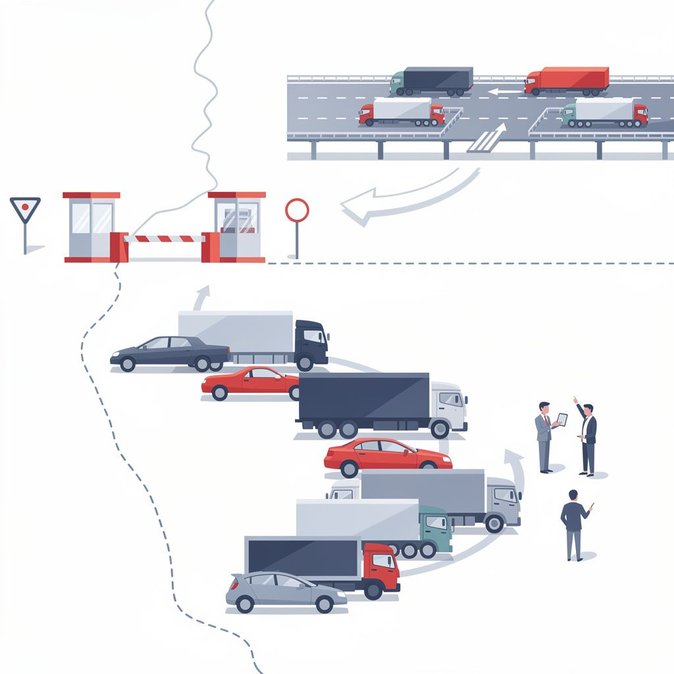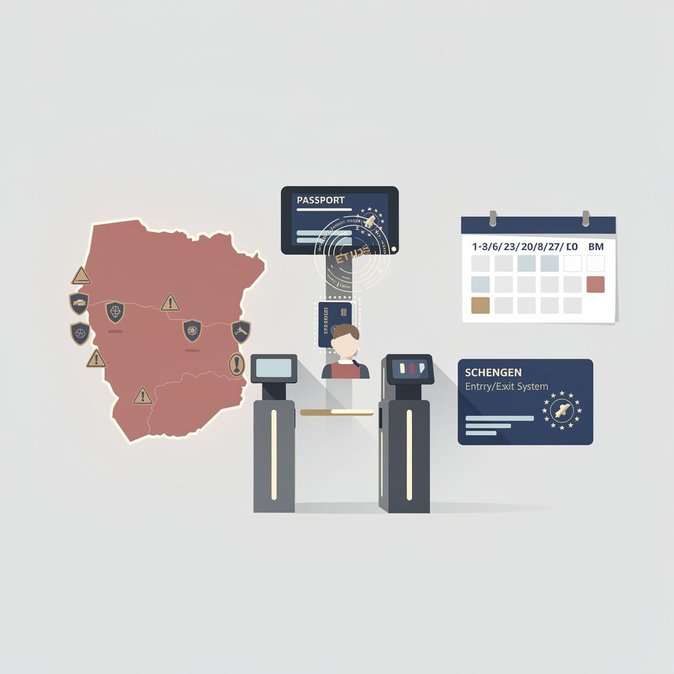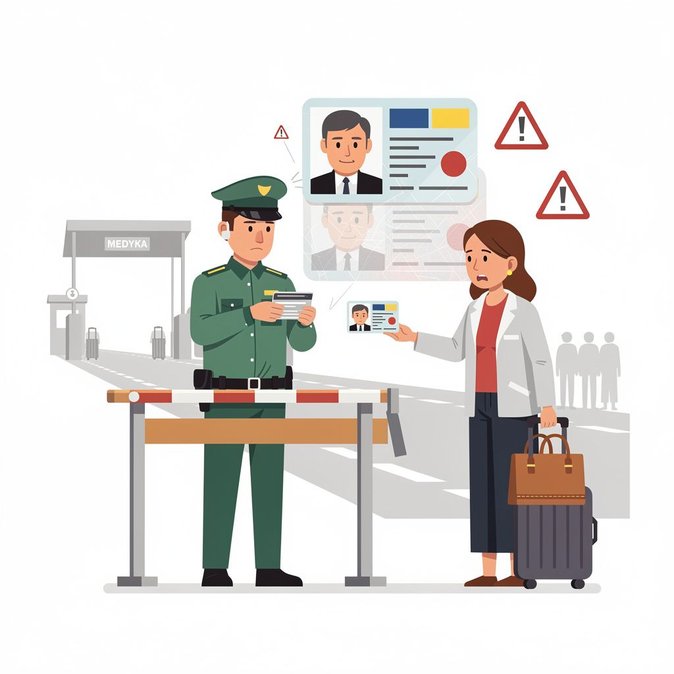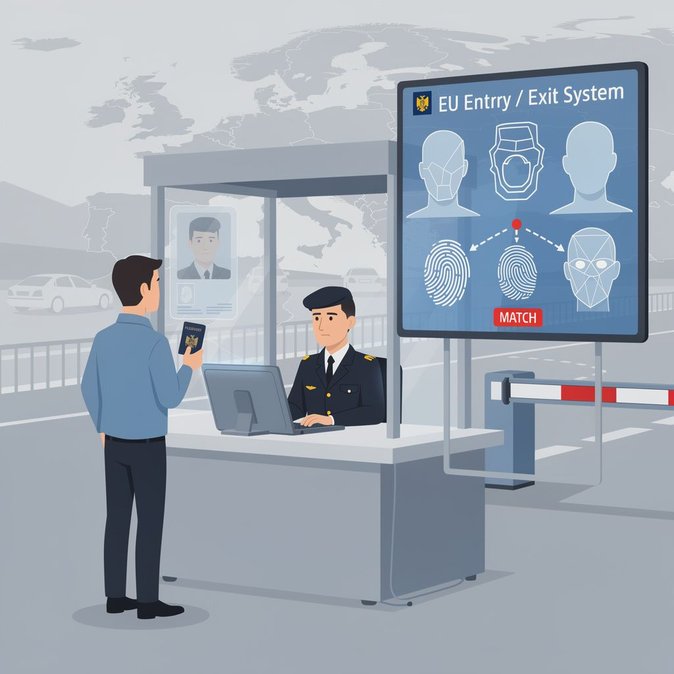
Border officers at Medyka—the busiest road checkpoint on Poland’s frontier with Ukraine—intercepted a 48-year-old Moldovan national attempting to enter the Schengen area under an assumed identity, the Border Guard headquarters confirmed on 27 July. During primary inspection, the Entry/Exit System (EES) raised an alert when the traveller’s fingerprints did not match the biographic data in his recently issued passport. A deeper search of the Schengen Information System revealed that Romanian authorities had placed a ban on the individual in 2023 for immigration fraud, valid for another five years. The man, who tried to disguise himself by altering several letters in his surname, was refused entry and escorted back to the Ukrainian side. He now faces criminal proceedings in Poland for attempted illegal border crossing with potential imprisonment of up to three years. Polish officials highlighted the case as proof that the new biometric database is already tightening Schengen security just months after go-live. Before April 2026, an impostor with a clean travel document could have slipped through if manual checks failed to spot discrepancies. Since the EES captures both facial images and fingerprints on every crossing, identity manipulation has become significantly harder, especially at busy land borders where officers have limited time per vehicle. For multinational firms moving staff through Eastern Poland, the incident is a cautionary tale: employees under re-entry bans—often imposed for previous overstays—will be detected instantly. Companies should maintain a central database of staff immigration histories and run pre-trip compliance checks, particularly for contractors from visa-exempt countries who may have multiple passports. The Border Guard advises travellers to allow extra time at Medyka and other eastern crossings as the flow of holiday traffic peaks. Dedicated business lanes remain available for trucks under the Common Transit Convention, but drivers must still undergo biometric capture unless they hold Polish residence permits.
Source: Polish Border Guard Headquarters