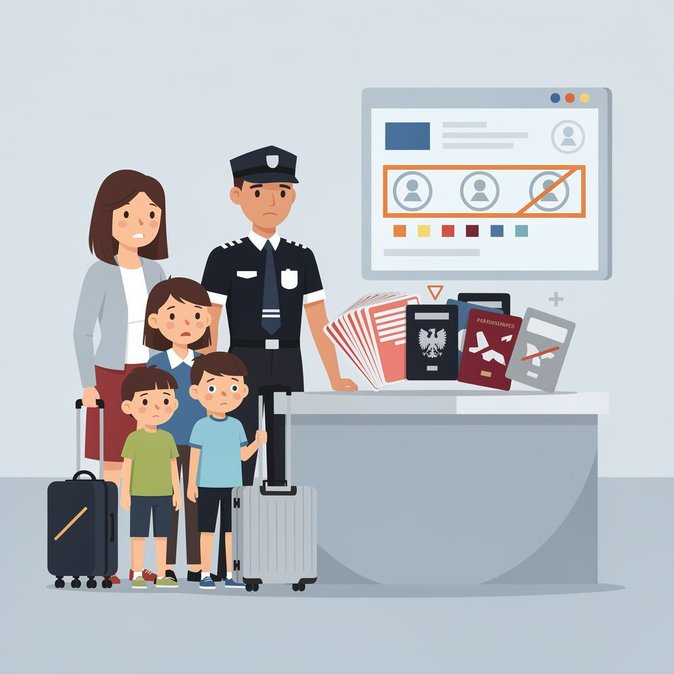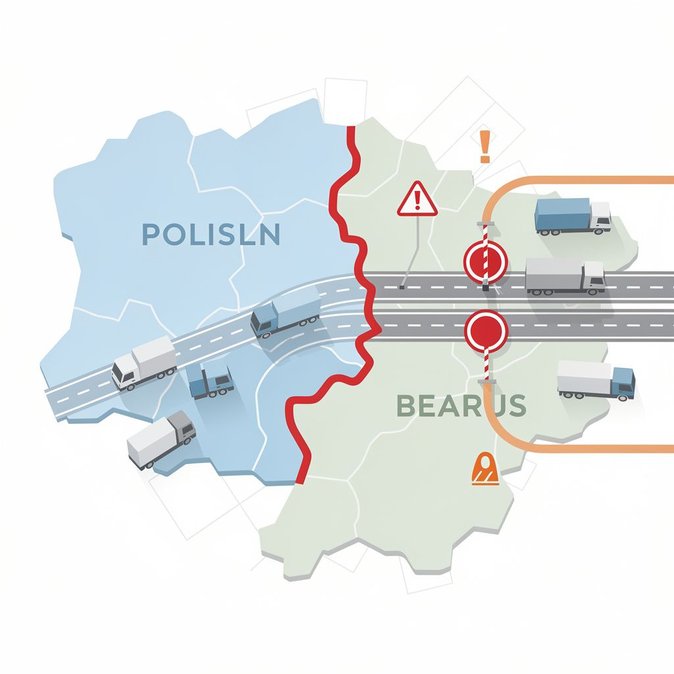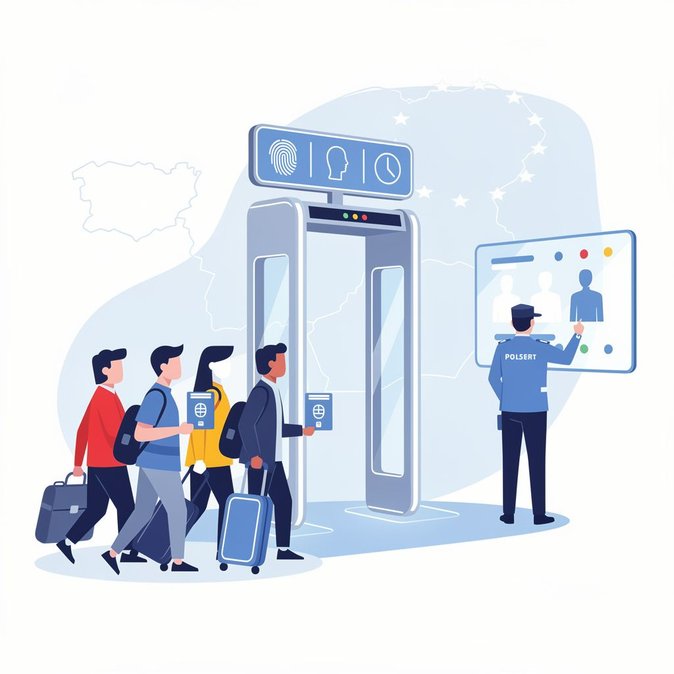
Polish airports and land crossings are now fully connected to the EU’s new biometric Entry/Exit System (EES), a project that the European Commission officially confirmed as operational across the entire Schengen area on 27 July 2026. EES automatically registers the time and place of entry and exit for every non-EU national entering Poland (and any other Schengen country) for a short stay. The system collects four fingerprints, a facial image and the traveller’s passport data and stores them for three years. Border officers in places such as Warsaw-Chopin, Kraków-Balice and Świecko no longer stamp passports; instead, they rely on the live EES record to calculate authorised stay. Although the infrastructure has been running since April, this week’s notice clarifies an exemption list that is highly relevant to companies relocating staff to Poland. Holders of long-stay “D” visas or Polish residence permits, as well as close family members of EU/EEA citizens who carry a residence card, are not enrolled in EES. Likewise, diplomats, flight crews and nationals of micro-states such as Andorra and Monaco remain outside the database. Employers should nevertheless brief foreign assignees that short business trips will now involve biometric capture and that overstays will trigger automatic alerts and fines. For Polish border authorities, EES promises faster processing and stronger security. During the first 100 days of operation the system flagged more than 12 000 overstay cases EU-wide, including several hundred at Polish land crossings with Ukraine and Belarus. The Office of the Commissioner for Personal Data Protection has already opened a compliance review to ensure that EES terminals installed at Polish checkpoints meet the country’s strict biometric-data safeguards. Travel-management teams should update traveller profiles to include the new EES registration number, visible in the Schengen IT systems that airlines access during web check-in. Because the algorithm counts authorised stay on a rolling 90/180-day basis, staff who make frequent trips to Poland may need calendar audits to avoid accidental overstays. Looking ahead, the European Travel Information and Authorisation System (ETIAS) is scheduled to piggy-back on EES data from 2027. Multinational employers that send non-visa-nationals (for example, US citizens) to Poland should therefore prepare for an additional e-authorisation step next year. The Polish Border Guard has published a bilingual FAQ and recommends that travellers allow extra time at manual booths during the peak summer season while officers adjust to the new workflow.