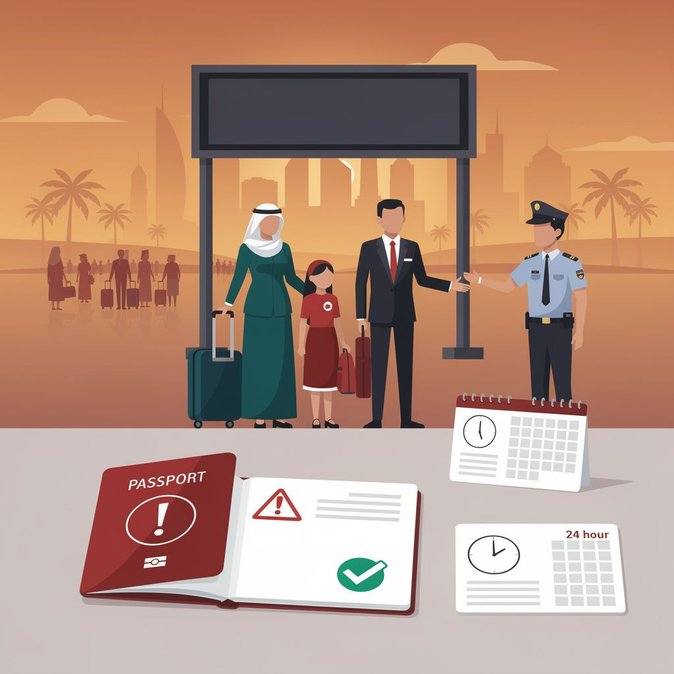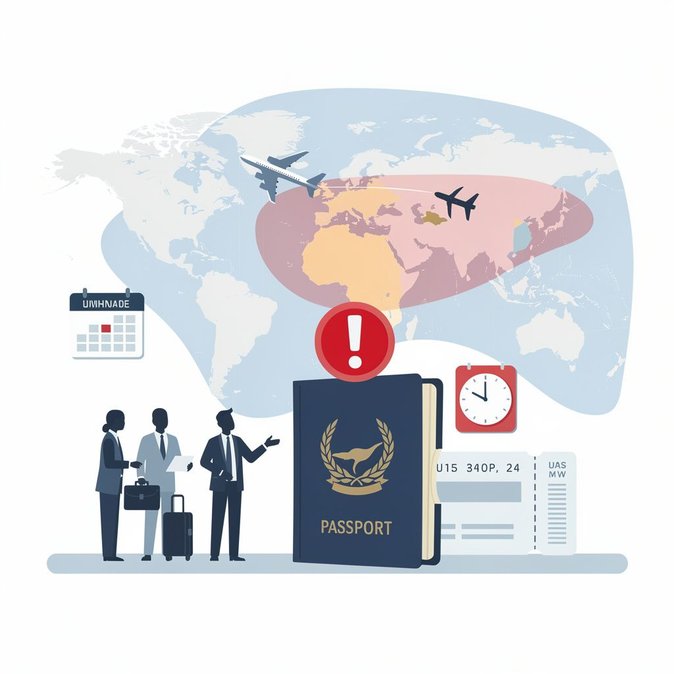
Australia’s Department of Foreign Affairs and Trade refreshed the header of its Smartraveller advisory for the United Arab Emirates on 28 July 2026, reiterating a Level-3 “Reconsider your need to travel” rating. While substantive text remains unchanged since mid-July, the notice highlights that the European Union Aviation Safety Agency (EASA) has prolonged its Conflict Zone Information Bulletin urging airlines to avoid Gulf airspace at least until the end of 29 July. The advisory emphasises that UAE airspace could open or close at **very short notice**, potentially grounding flights at both Dubai (DXB) and Abu Dhabi (AUH). It urges travellers to keep contingency funds for accommodation, medicines and onward tickets, and cautions that emergency passports displaying an ‘X’ in the date-of-birth or gender fields will be refused entry. For multinational employers the update is significant because many evacuation and duty-of-care audit protocols key off the highest advisory among employees’ home countries. An Australian rating of Level 3 can therefore trigger extra board-level approvals for site visits or rotational assignments involving Australian passport holders. Travel-risk consultants advise treating all bookings to the UAE and wider Gulf as conditional, with daily go/no-go checks until the EASA bulletin lapses or is renewed. DFAT also reminds travellers that terrorism remains a credible threat and that large public gatherings—including at airports—may be targeted. It directs passengers to check Emirates, Etihad and the UAE Federal eGovernment portal for the latest visa requirements, stressing that entry and exit rules have changed several times during the ongoing regional conflict.