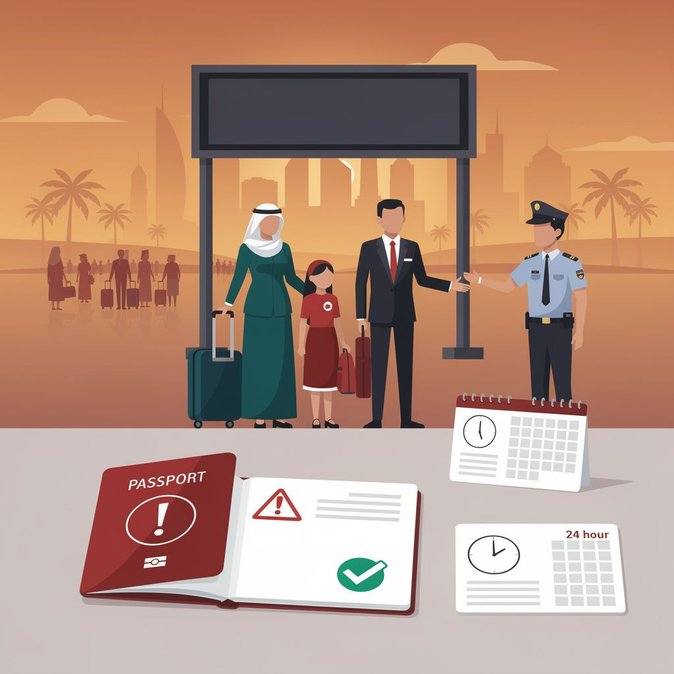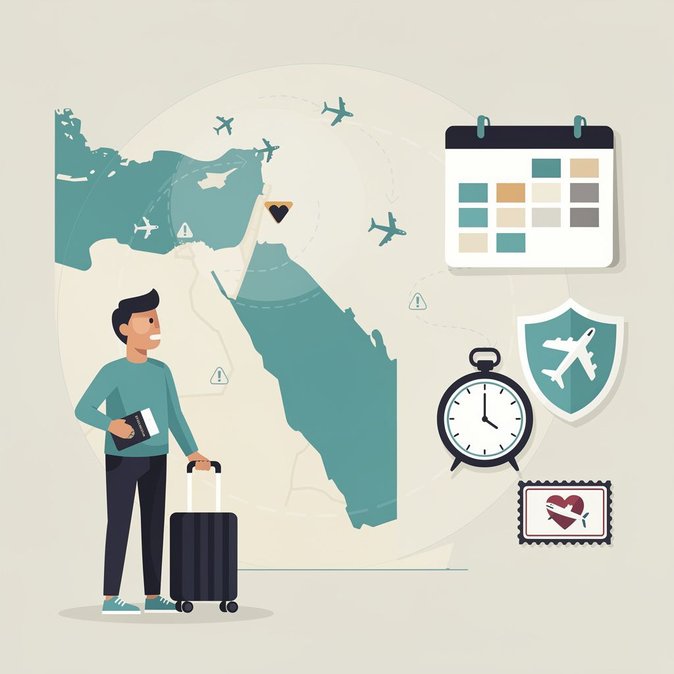
Gulf News published an extended evening briefing on 28 July 2026 explaining practical implications for residents and companies in the UAE as regional tensions between the United States and Iran remain high. The article summarises diplomatic moves—including Oman’s proposal for a joint management mechanism for the Strait of Hormuz—while highlighting continuing drone incidents and selective air-space closures across the Gulf. For travellers, the key take-away is volatility: routings are still being redrawn almost daily, and the European Union Aviation Safety Agency (EASA) advisory to avoid Gulf airspace remains in force until at least 29 July. Insurers report that some corporate policies now treat the entire Hormuz corridor as a “known risk area,” triggering premium surcharges and requiring prior-trip notifications. HR departments are therefore urged to file travel-security waivers and confirm that employees have crisis-evacuation cover before booking. Airlines operating from Dubai and Abu Dhabi say they are keeping spare crews on standby to operate longer detours via Saudi and Red-Sea corridors. That has knock-on effects for seat availability and minimum connection times, particularly for Europe-bound itineraries. Mobility managers should advise travellers to allow four-hour buffers and to avoid tight lay-overs in Jeddah, Muscat or Doha, where ground-handling resources are stretched. The briefing also reminds Golden-Visa holders and other expatriates that their residency status does not exempt them from exit-permit checks if sudden closures strand them beyond visa validity. The Directorate of Residency and Foreigners Affairs (GDRFA) recommends keeping a print-out of any grace-period extensions when departing.
Source: Gulf News