China’s New Exit-Entry Rules Come Into Force, Allowing Border Guards to Bar Departures on National-Security Grounds
China implements sweeping exit-ban powers linked to tech security
China Begins Mandatory Filing System for Exit-Entry Intermediaries
Latest News

Border agents gain authority to demand travellers’ electronic data at China’s ports
New rules allow Chinese immigration officers to ask for travellers’ electronic data—such as phone or laptop contents—to confirm identity or purpose of visit. Refusal or inconsistencies can lead to denied boarding, visa cancellations or multi-year entry bans, prompting companies to review data-security protocols for employees entering or leaving China.

Foreign nationals face five-year bans under China’s new exit-entry rules, analysts warn
A DW analysis underscores that China’s exit-entry overhaul empowers authorities to bar foreign nationals for up to five years for “false statements” on visa forms. The vague wording raises compliance concerns for corporates and tour operators, especially those moving talent in sensitive technology sectors.

Chinese Embassy in Zimbabwe announces visa-section closure for Mid-Autumn and National Day holidays
China’s embassy in Harare will suspend visa processing on 25 September and 1–5 October for Mid-Autumn Festival and National Day. Travellers and companies must file applications early or postpone trips, as the shutdown coincides with peak holiday travel in China.

Taiwan warns executives of heightened exit-ban risk under China’s new Exit-Entry regulation
Taiwan’s Mainland Affairs Council cautioned on 14 September that China’s new Exit-Entry regulation, effective 15 September, allows immigration officers to inspect travellers’ electronic devices and impose exit bans of up to three years without prior notice. Businesspeople, tech workers and officials were urged to take extra precautions, highlighting new compliance challenges for companies moving staff into and out of China.

First day jitters: Beijing and Shanghai airports tighten questioning under new border rules
Local media observed more intensive questioning of outbound passengers at Beijing Capital and Shanghai Pudong on 14 September, signalling early enforcement of China’s new Exit-Entry regulation that formally takes effect on 15 September. The tougher stance, aimed at technology and national-security risks, could lengthen departure times and lead corporations to review device and data-security protocols.
Chinese foreign ministry issues ‘do-not-travel’ alert for Tajik-Afghan border region
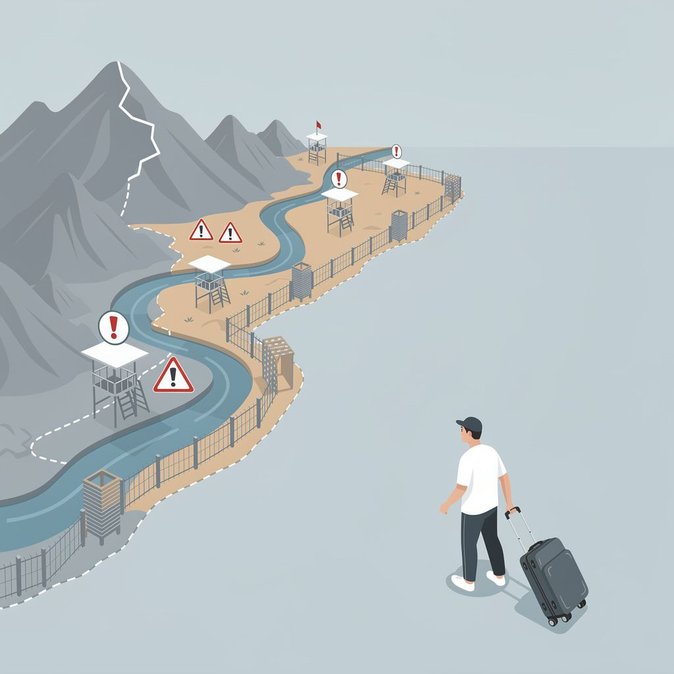
On 14 September, China’s foreign ministry issued a Level-4 ‘Do Not Travel’ advisory for the Tajikistan–Afghanistan border zone, urging Chinese citizens to leave immediately. The move reflects mounting security concerns and will complicate corporate assignments and project work in Tajikistan’s border provinces.

Clock strikes midnight on Russia-China 30-day visa-free experiment
China’s one-year visa-free pilot for Russian citizens ended at midnight on 14 September, meaning Russians will again require visas for mainland travel from 15 September onward. The expiry will lengthen lead times for business trips and could momentarily soften air-travel demand unless Beijing decides to renew the scheme.

Swiss Chinese visa centres consolidate: Zurich inquiries shift to Bern from 14 September
From 14 September, all phone and e-mail inquiries for the Chinese Visa Application Service Centre in Zurich are handled by the Bern office, although in-person submissions in Zurich continue as normal. The change streamlines back-office support and requires companies to update contact details for China-bound visa processing.