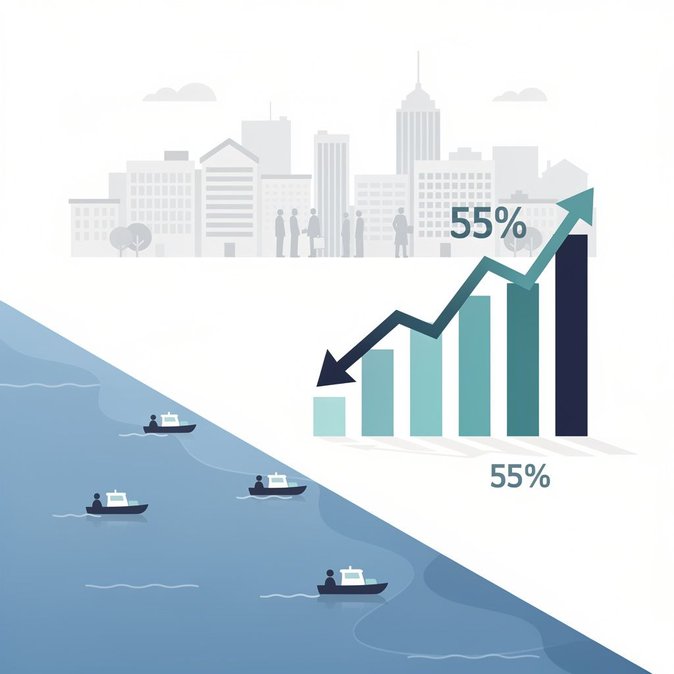
The Home Office on 15 September released its provisional weekly consolidation of small-boat crossings for the week ending 6 September 2026. A total of 625 people were detected arriving in eight boats, while French authorities prevented 282 people in ten events. The figures represent a 55 % reduction in arrivals compared with the same week in 2025 and continue the downward trend attributed to bilateral enforcement agreements and increased surveillance. From a global-mobility perspective the statistics matter because persistent unauthorised migration pressure drives political appetite for tougher legal-migration reforms—from higher salary thresholds to longer settlement routes—that directly affect corporate sponsorship programmes. The government has repeatedly cited ‘public confidence’ in the border when justifying changes to Skilled Worker rules, and any spike in Channel crossings could derail lobbying efforts for business-friendly modifications. While asylum issues sit outside mainstream business-immigration work, mobility leaders should track the data as part of their policy-risk radar. If crossings rise again, expect fresh ministerial statements and possible fast-track legislative amendments that could complicate workforce-planning timelines for 2027.