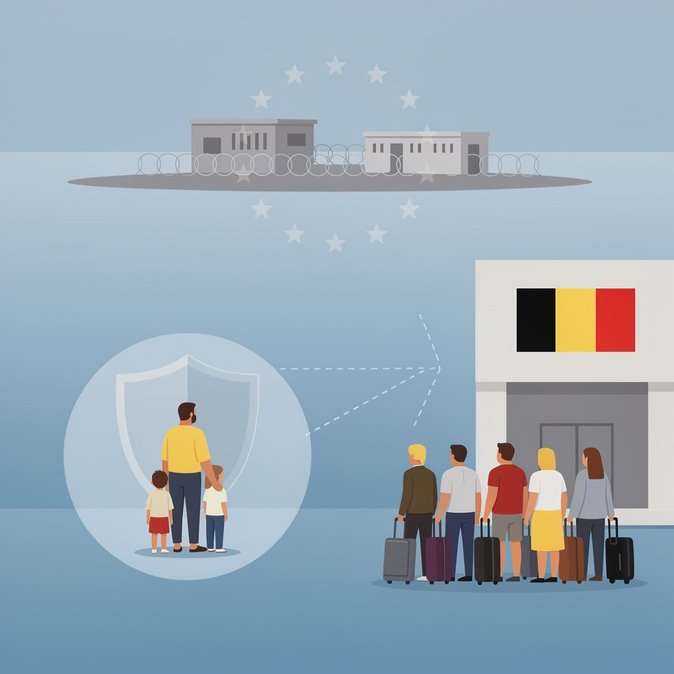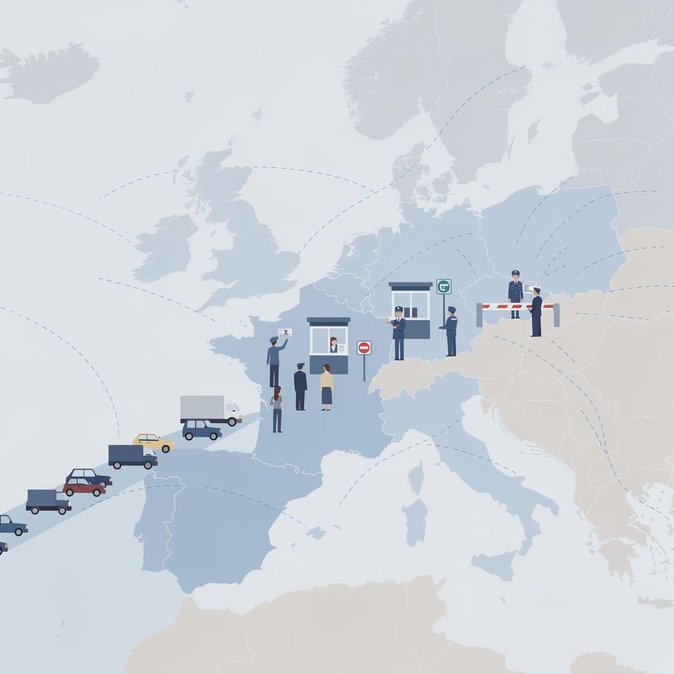
The European Commission’s updated Schengen dashboard published on 16 September confirms that the Netherlands will prolong temporary checks on its borders with Belgium and Germany until at least 30 September 2026. Amsterdam first reinstated controls in June after a spike in asylum applications and migrant-smuggling activity overloaded reception centres in Ter Apel and Budel. For cross-border commuters in the Benelux industrial corridor – home to thousands of Belgian residents employed by Dutch logistics, life-sciences and tech firms – the extension means continued spot ID inspections on the E19 and A16 motorways as well as at selected rail crossings. Airlines operating intra-Schengen flights between Brussels and Amsterdam must also maintain advance passenger lists for Dutch border police. While wait times remain modest (5–15 minutes on most days), the controls add uncertainty for just-in-time supply chains and for employees resident in Belgium who work night shifts in Breda or Eindhoven. Employers should remind staff to carry either a passport or Belgian eID and factor possible delays into rota planning. Road hauliers are advised to pad schedules by at least 30 minutes during the morning peak and when major events such as Amsterdam Dance Event kick off later this month. The Dutch decision highlights the increasing fragmentation of the Schengen Area as multiple states respond to migration pressure and security concerns. Germany, Austria and Italy issued similar notifications the same day, raising the prospect of a patchwork of internal borders through the winter. Corporate travel managers should monitor EU notifications weekly and update traveller profiles to ensure emergency contact details and document scans are current. Belgium has so far refrained from reciprocal measures, but the interior ministry continues to keep mobile patrols on standby. If secondary movements from the Dutch side surge, Belgian authorities could re-introduce their own checks with 48-hour notice, repeating last winter’s pattern.