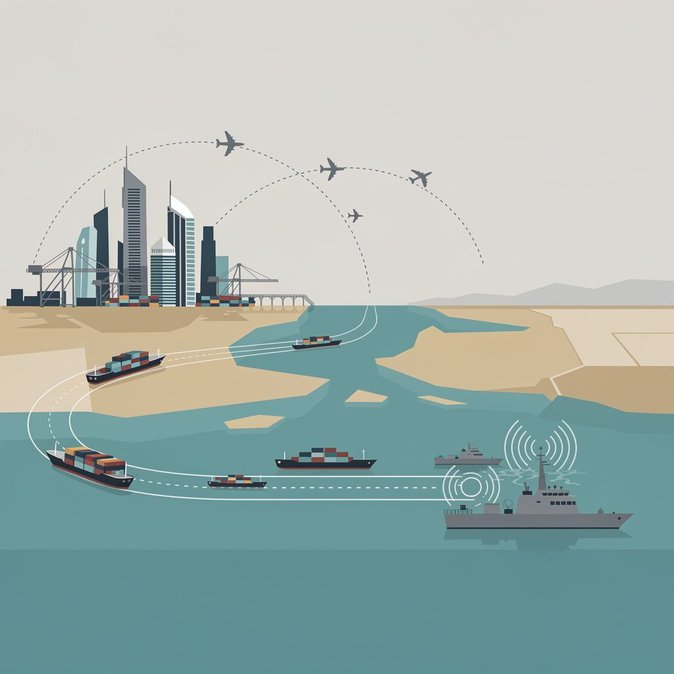
Addressing the Arab Media Summit in Dubai on 17 September, presidential adviser Dr Anwar Gargash said the UAE’s strategy for coping with the US-Iran war rests on “two parallel tracks”: firm deterrence to safeguard sovereignty and open channels to Tehran to keep the economy—and by extension air and sea corridors—functioning. Gargash acknowledged that rebuilding trust with Iran will take “many years” but stressed that regional trade, aviation and shipping must continue even amid hostilities. Citing President Sheikh Mohamed bin Zayed’s recent trip to Germany, he argued that the UAE cannot allow conflict to derail its geo-economic agenda. For global-mobility practitioners the speech signals that, despite heightened alert levels, the government intends to keep borders open and facilitate business travel. It also hints that additional defensive measures—rather than blanket closures—will remain the preferred response to security threats, allowing multinational projects and assignments to proceed with managed risk. Gargash’s comments may reassure foreign investors concerned about supply-chain resilience and expatriate safety, while his call for a “new regional security framework” underscores that medium-term mobility planning should factor in evolving Gulf security protocols. Diplomatic overtures, coupled with deterrence, suggest that airspace restrictions could ease if back-channel talks bear fruit—potentially stabilising flight schedules and insurance costs.
Source: Gulf News