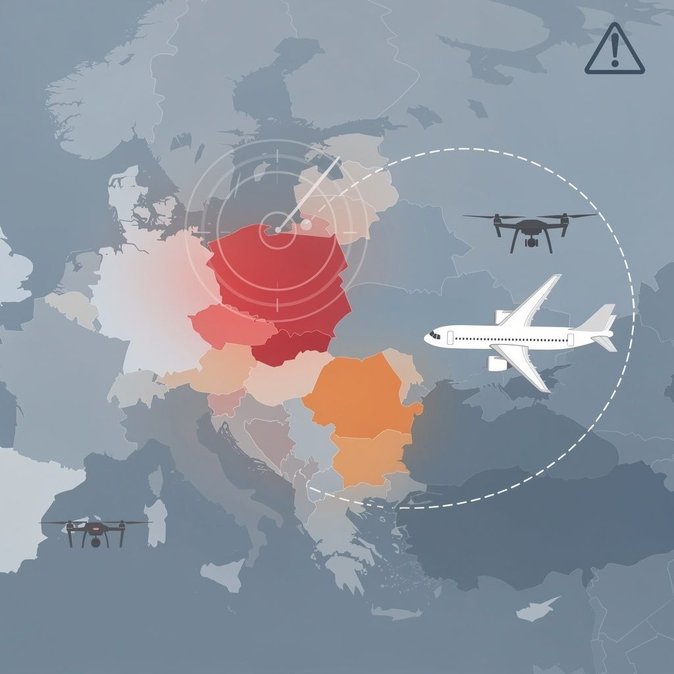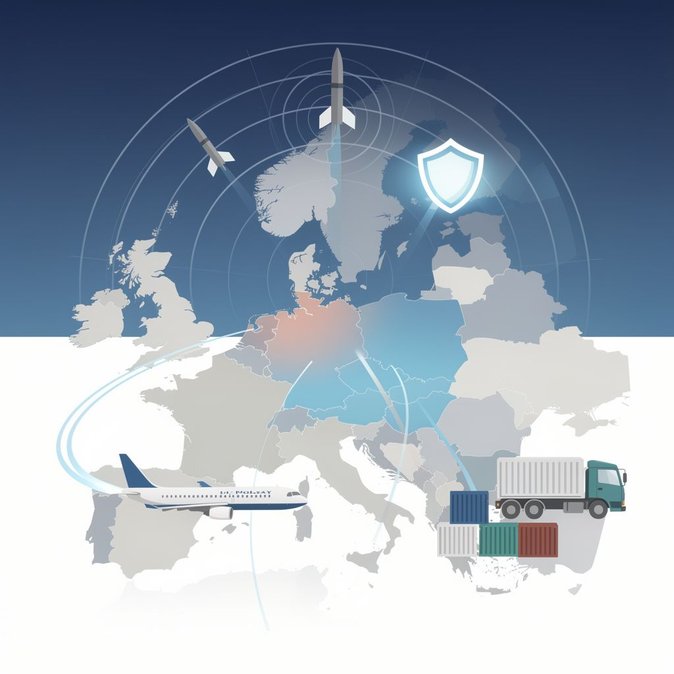
Speaking at the inaugural Carpathian Integration Initiative summit in Lviv on 18 September, Prime Minister Donald Tusk announced that Poland has formally entered the nine-nation European Anti-Ballistic Missile Coalition, nicknamed “Freyja.” The coalition—launched in July by Ukraine, Germany and several Nordic states—aims to create an integrated shield against cruise- and ballistic-missile threats across Central and Eastern Europe. While no immediate hardware deployments were revealed, Tusk said that Polish industry would seek contracts for radar components, interceptors and command-and-control software. Membership also grants Warsaw access to shared early-warning data, which could enhance civil-aviation safety after a spate of Russian drone incursions forced repeated airport closures in south-east Poland. Defence analysts note that Poland already hosts US-made Aegis Ashore batteries but lacks area-wide coverage against low-flying drones and hypersonic glide vehicles. Integration with coalition assets could reduce blind spots over key logistics hubs such as Łódź and Poznań—critical for multinational manufacturers and expatriate mobility. For companies relocating staff into Poland, the decision signals a medium-term improvement in risk-mitigation infrastructure, potentially lowering insurance premiums and stabilising flight routes over eastern airspace. However, the move may also make Polish territory a higher-priority target for Russian retaliation, underscoring the need for dynamic travel-security policies.
Source: Reuters