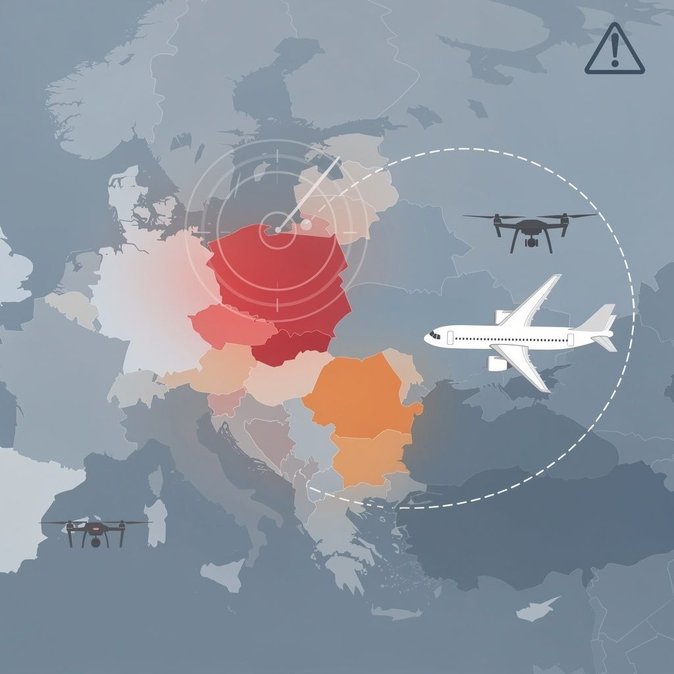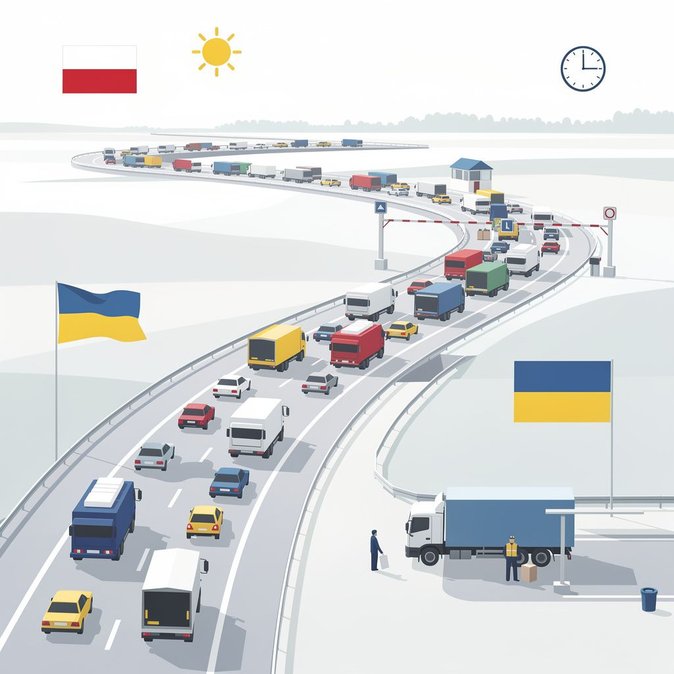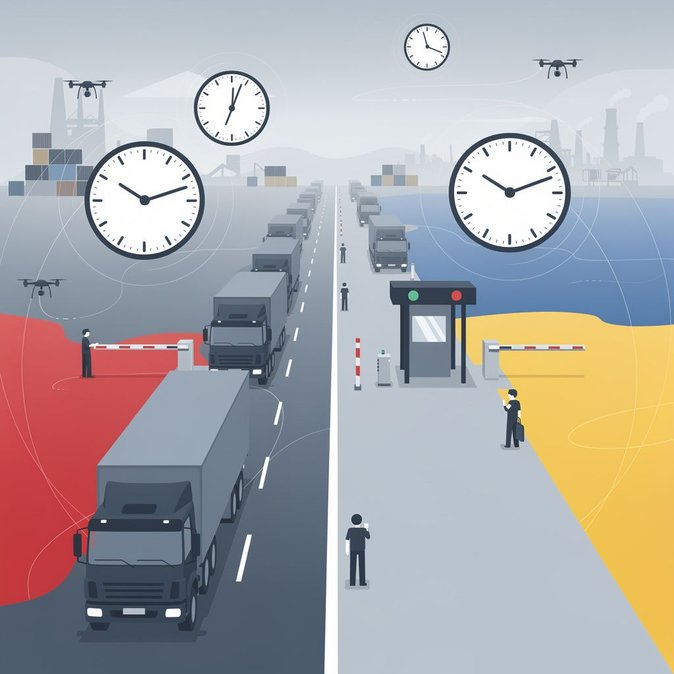
Poland’s official border-traffic portal Granica.gov.pl is reporting extreme delays for heavy goods vehicles at multiple Poland–Ukraine checkpoints on 19 September. At Dorohusk—the main artery for containerised rail and road freight between Warsaw and Kyiv—truck drivers faced an estimated 23-hour wait to exit Poland. Nearby Korczowa (18 hours) and Hrebenne (21 hours) showed similarly daunting queues, while Budomierz’s line stretched five kilometres despite a ‘green lane’ for essential supplies. Officials attribute the backlog to intensified security inspections after the 13 September drone strike that hit a Kyiv–Warsaw train just two kilometres from Dorohusk. Polish Customs has also stepped up checks for dual-use goods following new EU sanctions on high-tech components. The result is a cascading log-jam of perishable food, automotive parts and e-commerce parcels heading both east and west. Logistics providers warn that just-in-time supply chains serving factories in Lublin, Kraków and western Ukraine are under pressure. Transport unions say drivers are exceeding EU working-time limits while idling at the frontier without sanitation facilities. Several hauliers have diverted via Slovakia or Romania, adding 300–400 km and up to two days to delivery schedules. Companies shipping through Poland’s eastern border are advised to book contingency warehousing, pre-clear digital customs manifests and monitor hourly updates from the Border Guard’s queue-length dashboard. Authorities have announced a pilot 24/7 customs lane for medical goods, but industry groups argue that only additional parking infrastructure and bilateral e-TIR automation will provide lasting relief.