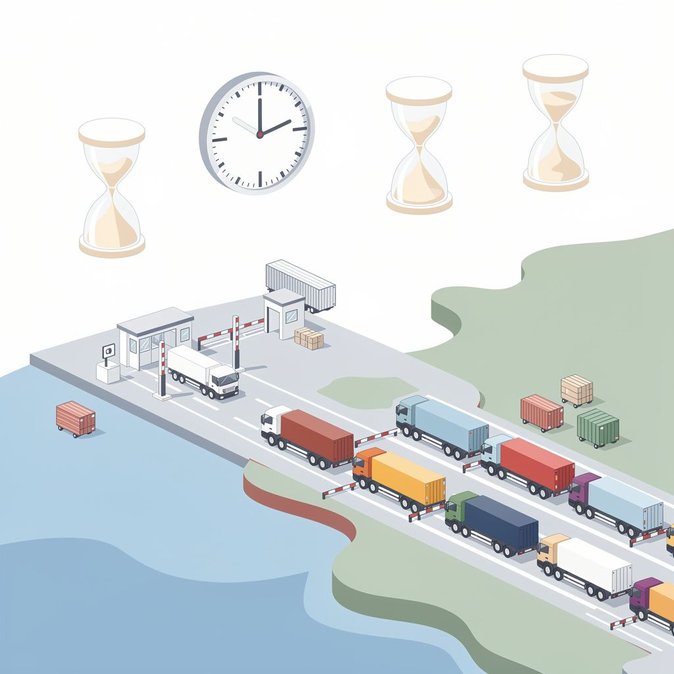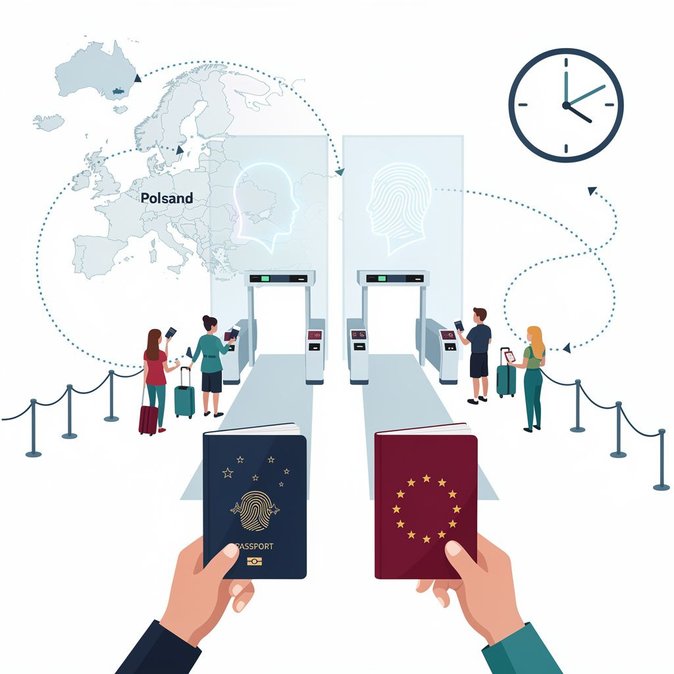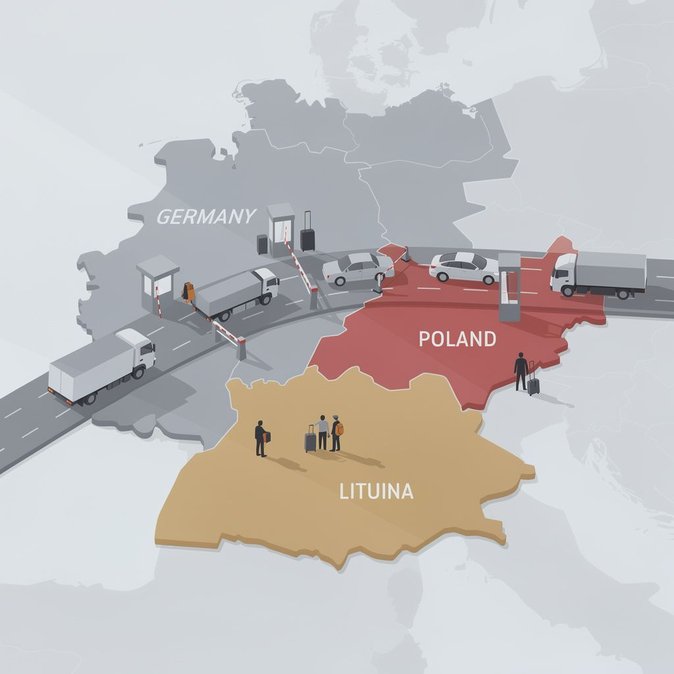
The European Commission’s public register of Schengen notifications confirms that Poland will once again activate temporary controls at its land borders with Germany and Lithuania between 2 October 2026 and 30 March 2027. Warsaw cites “persistent migratory pressure” and related security concerns as the legal basis for the measure. Under the Schengen Borders Code, such re-introductions are meant to be a last resort and must be proportionate and time-limited; nevertheless, Poland has already kept controls in place for most of 2026 and is now notifying a fresh six-month spell. For business-mobility managers the practical consequence is a return to spot checks on coaches, company cars and cross-border rail services. Although EU, EEA and Swiss nationals retain their right of free movement, they should carry passports or ID cards and factor in possible delays at road crossings such as Świecko and Budzisko. Third-country nationals transiting the internal border will need to present a valid travel document and, where applicable, a Schengen visa or Polish residence card. Poland’s decision mirrors similar steps by Germany, Austria and other member states who claim that secondary movements and organised smuggling networks are straining domestic asylum systems. The Commission has urged capitals to use new digital tools—such as the Entry/Exit System (EES) and interoperable screening databases—rather than physical checks, but political pressure at home continues to drive hard-border policies. Corporate relocation teams should brief assignees on the renewed document checks, review dual-carriageway and rail timetables for potential bottlenecks, and update posted-worker schedules to avoid just-in-time crossings during peak hours. Logistics operators moving high-value goods between Polish and German hubs may also need to buffer delivery SLAs. While the controls are currently scheduled to end on 30 March 2027, extensions are possible. Mobility stakeholders are advised to monitor further Commission publications and Polish Interior Ministry communiqués in early 2027.