UK updates Belgium travel advice, warns of nightly Charleroi ATC strikes through 10 October
EU General Affairs Council meets in Brussels, puts migration atop agenda for October summit
Sixth night of Charleroi Airport air-traffic-control strike grounds another 34 flights
Latest News
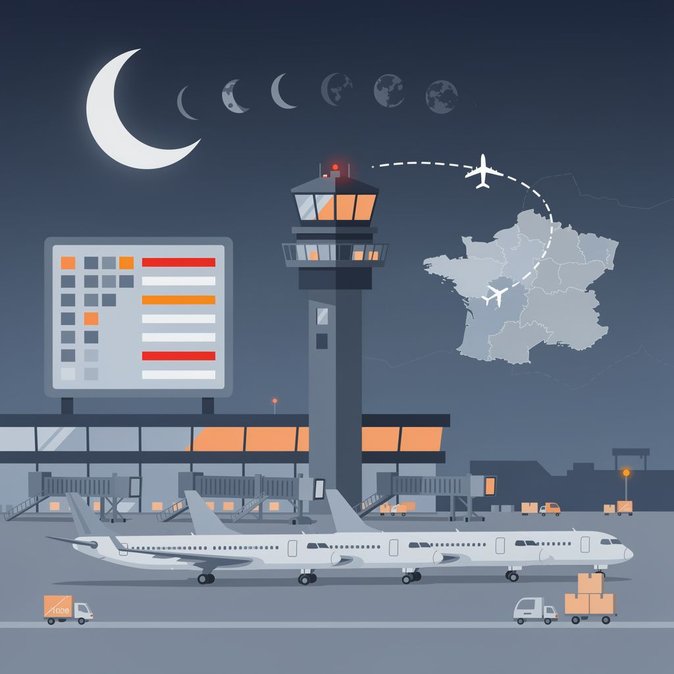
Night-time air-traffic-controller strike at Charleroi enters sixth day, 160 flights already cancelled
A 24-night strike by skeyes air-traffic controllers at Brussels South Charleroi Airport continues, with 34 more flights cancelled for the night of 21 September and about 160 scrapped since the action began on 16 September. The walk-out stems from a dispute over night-work pay and is disrupting early-morning and late-evening services, particularly those operated by Ryanair. Business travellers are being re-routed via other Belgian and French airports, and logistics operators warn of escalating costs if the impasse is not resolved soon.
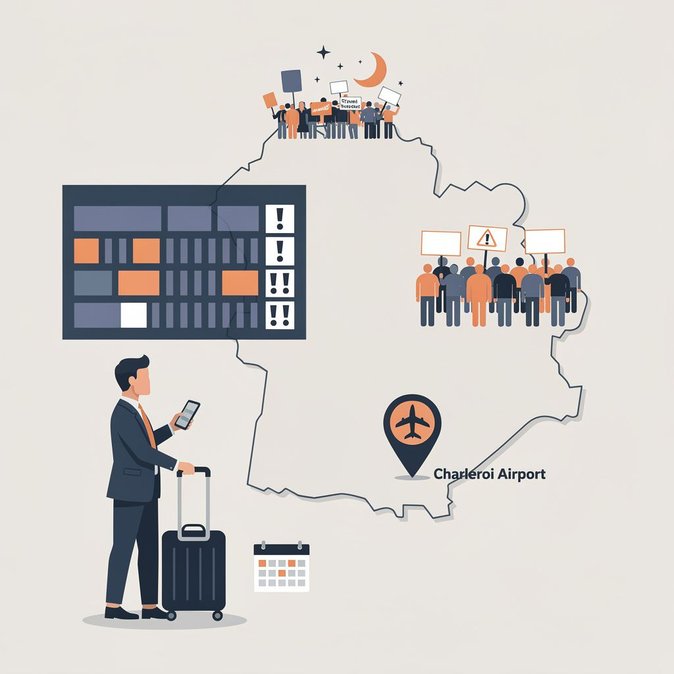
UK updates Belgium travel advice to highlight night-time ATC strike and 9 October demonstration
Britain’s FCDO updated its Belgium travel advice on 21 September to warn of the nightly air-traffic-control strike at Charleroi Airport (16 September – 10 October) and a planned mass demonstration in Brussels on 9 October. The bulletin advises travellers to check flight status, anticipate delays and monitor local news, signalling to corporate travel planners that itineraries may need contingency options.
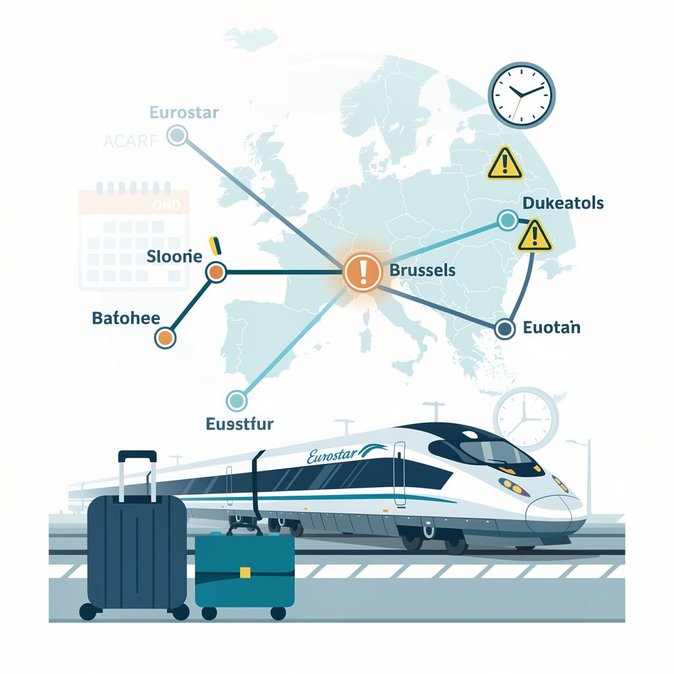
Eurostar warns of delays and selective cancellations on 21 September amid network constraints
Eurostar’s live travel-updates portal shows network-wide delays and a handful of cancellations on 21 September, with Brussels-linked trains particularly affected by over-running engineering works and other operational issues. The disturbances complicate day-trip itineraries for business travellers relying on the high-speed rail link and highlight the need for contingency planning as Eurostar flags the risk of further disruption up to 1 November.

Brussels’ Car-Free Sunday turns capital into Europe’s largest pedestrian zone
From 09:30 to 19:00 on Sunday 20 September, the entire Brussels-Capital Region banned most motorised traffic, turning the city into Europe’s largest car-free zone as part of European Mobility Week. The closure, mirrored in over 70 Belgian municipalities, required travellers to adapt airport transfers and last-mile deliveries but also showcased the feasibility of large-scale traffic-calming measures that could influence future mobility policy.
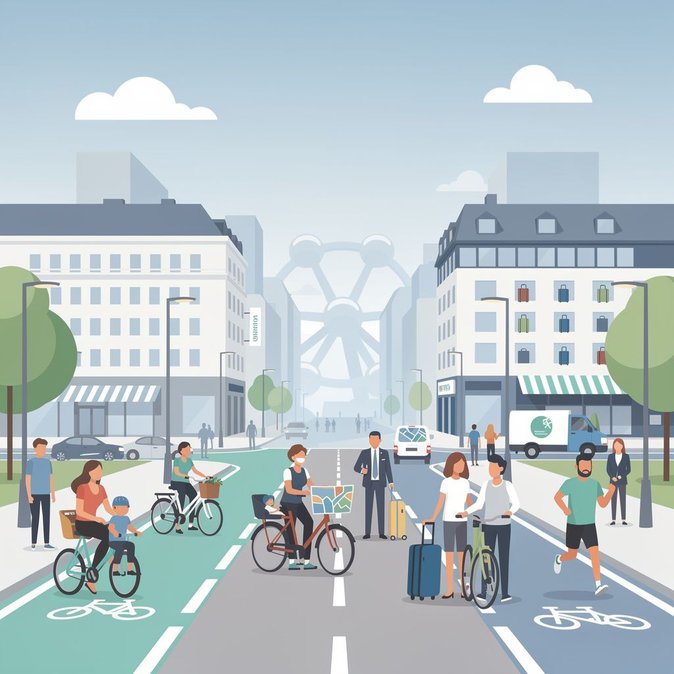
Brussels goes car-free for a day, giving travellers a taste of traffic-free mobility
Brussels turned over its streets to pedestrians and cyclists on Car-Free Sunday (20 September 2026), banning private cars across the capital for nine and a half hours. The day, part of European Mobility Week, delivered large air-quality benefits and serves as a test-bed for future low-emission policies. While delightful for many, the closure requires careful planning for business travellers and hotels within the zone.

Belgian-led ‘ATLAS NEXUS’ operation smashes document-fraud and smuggling rings across 34 countries
Belgium has coordinated ATLAS NEXUS, the largest EU-Latin-America police action to date, arresting 490 people and seizing hundreds of forged travel documents. The crackdown strengthens Belgian border controls and signals tougher scrutiny of visas and residence permits ahead of next year’s roll-out of EU Entry/Exit Systems. Businesses should anticipate lengthier checks and verify that employees’ documents can withstand closer inspection.
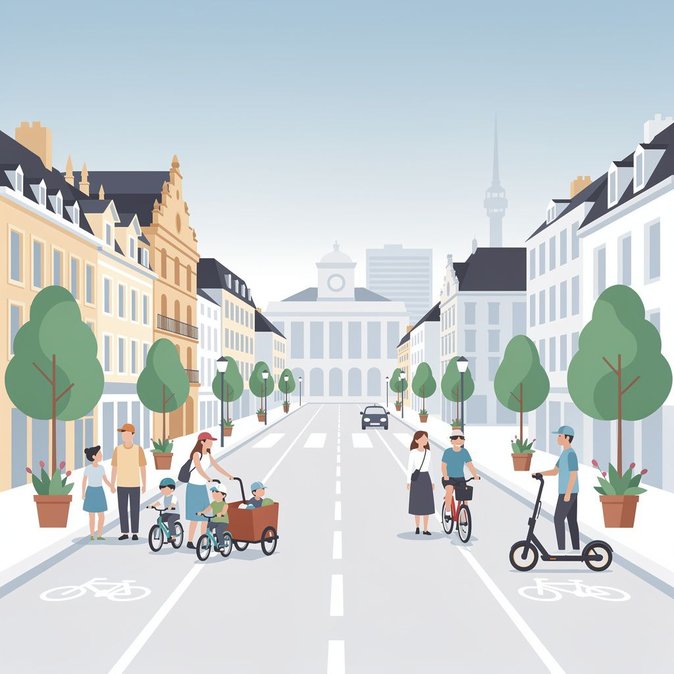
Brussels’ Car-Free Sunday turns capital into Europe’s largest pedestrian zone
Brussels banned private cars across the entire capital region on 20 September for its annual Car-Free Sunday, freeing streets for pedestrians and cyclists and slashing air-pollution levels. The event, part of European Mobility Week, required relocation firms and travellers to adjust logistics but showcased Belgium’s push toward sustainable urban mobility, with a second car-free day already slated for May 2027.