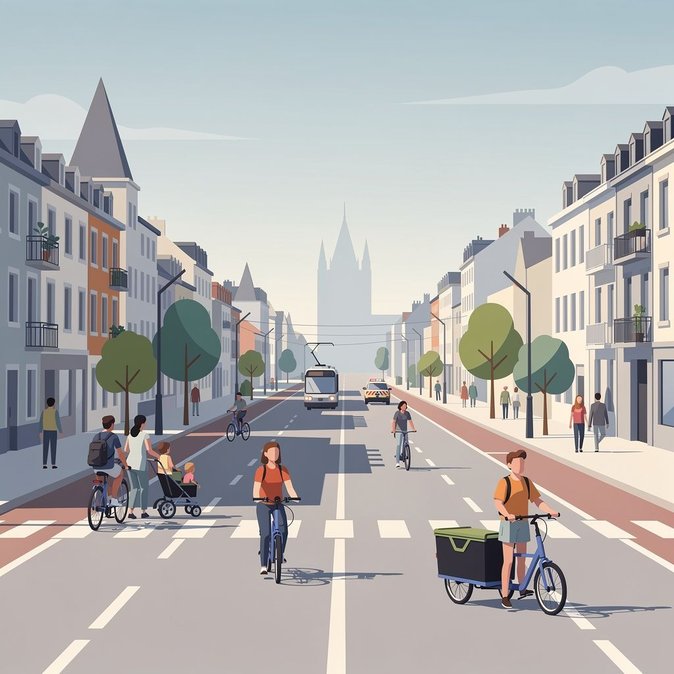
Brussels swapped engines for foot-power on 20 September as its annual Car-Free Sunday returned for the 26ᵗʰ time, closing the entire 161-square-kilometre region to most private vehicles from 09:30 to 19:00. The Brussels Times reports that more than 70 Belgian municipalities joined the initiative, making it the broadest car-free participation to date. The event, a centre-piece of European Mobility Week, aims to showcase sustainable urban transport and prompt residents to rethink daily travel habits. Public-transport operator STIB/MIVB ran a six-minute metro frequency and deployed shuttle buses from Park & Ride sites, while bike-sharing schemes offered free day passes. City services issued exemption passes only for essential journeys such as emergency vehicles, hotel transfers and diplomats. For expatriates and globally mobile professionals posted in Brussels, the restrictions required careful weekend planning. Road closures forced airport transfers to detour via the outer ring road, and inter-city coaches terminated at peripheral stations. Hotels responded with bicycle loans and extended check-out times. Some companies used the day as a team-building opportunity, organising guided cycling tours that doubled as awareness sessions on the region’s forthcoming low-emission zone expansion. Beyond leisure, the car-free concept carries policy weight: Brussels’ regional government is studying permanent traffic-calming measures on corridors that proved popular with pedestrians on Sunday. Local business groups, while supportive of cleaner air, have asked for better advance notice and freight-delivery exemptions, noting that last-mile logistics were “significantly hampered” for e-commerce operators. The next edition will take place on 2 May 2027, marking the first time the capital holds two car-free days in the same year—a sign that what was once considered utopian is edging closer to mainstream urban-mobility policy.
Source: The Brussels Times