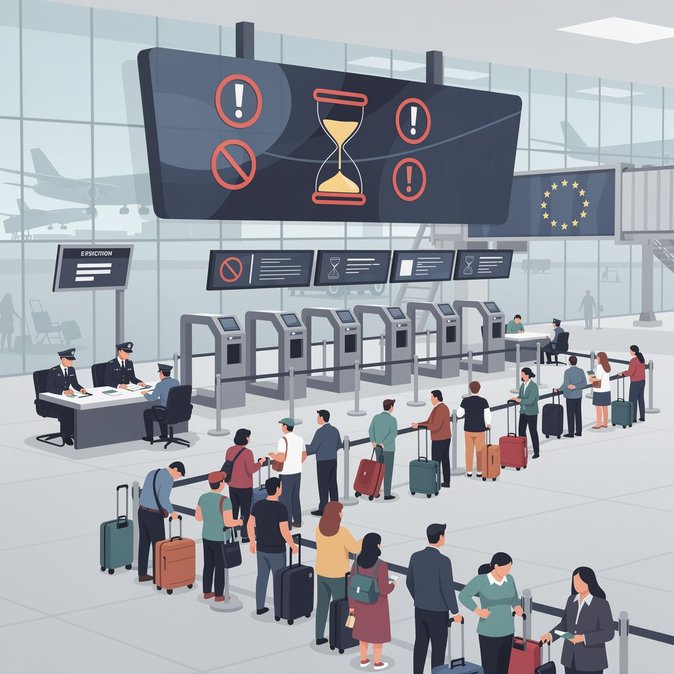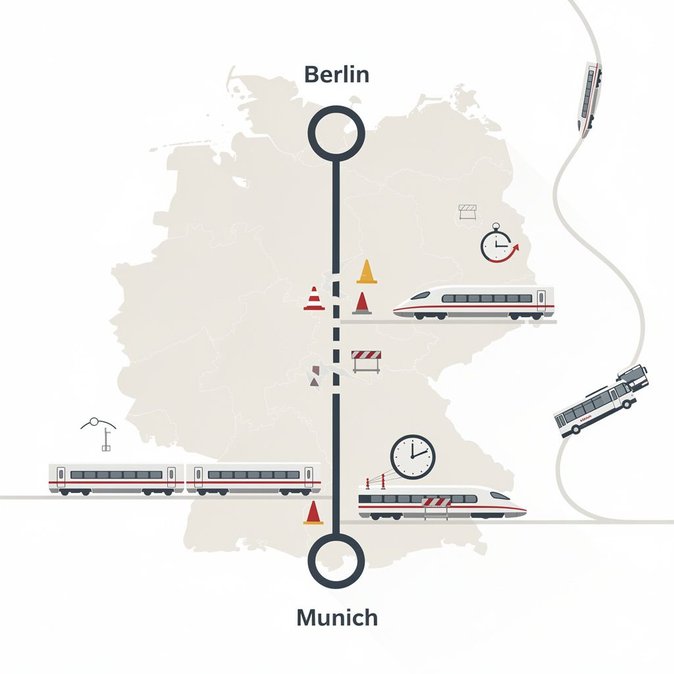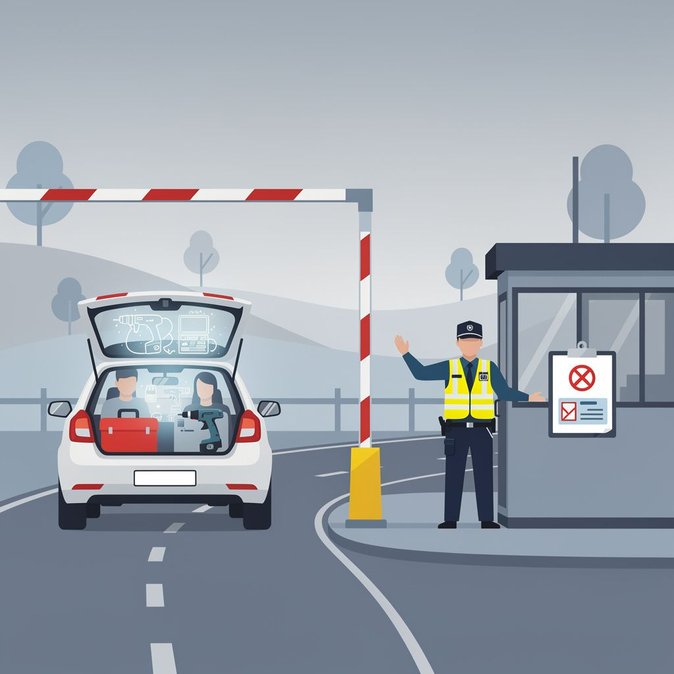
In the early hours of 24 September, Saxony’s Ludwigsdorf Border Police intercepted a car with Polish licence plates attempting to enter Germany via the Podrosche crossing. The 27-year-old driver and his 41-year-old passenger could not produce valid identity papers; subsequent fingerprint checks revealed both had prior theft convictions in Brandenburg and Saxony. A search uncovered a boltcutter, crowbars and a battery-powered disc cutter—one of which was listed in the police database as stolen. Officers initiated criminal proceedings for handling stolen goods and for driving without a licence (the driver’s Polish permit had been revoked). Because the men voluntarily withdrew their entry request, authorities denied them access and escorted them back to Poland. The case illustrates how Germany’s temporary internal border controls, re-introduced in 2024, are targeting property crime networks that exploit open Schengen frontiers. For companies operating logistics centres along the Polish border, the incident signals tighter spot checks on commercial vehicles and potential schedule impacts. Transport managers should ensure drivers carry compliant documents and account for possible delays at smaller crossings like Podrosche and Görlitz. Police say intelligence sharing with Polish counterparts has improved, enabling faster cross-border prosecutions—even when suspects elect to leave Germany immediately.