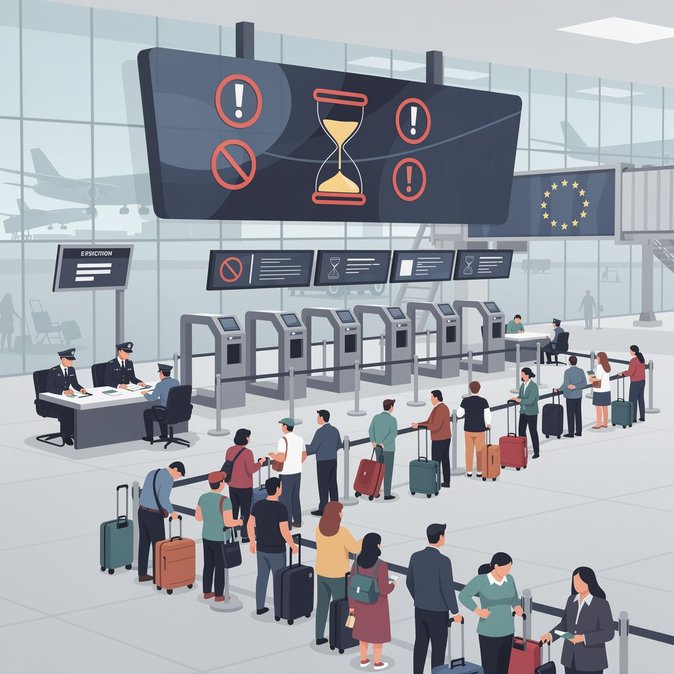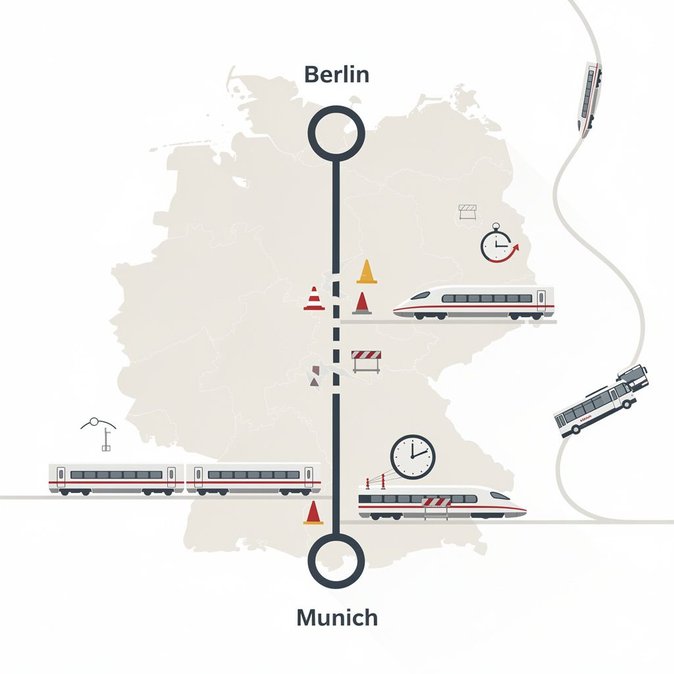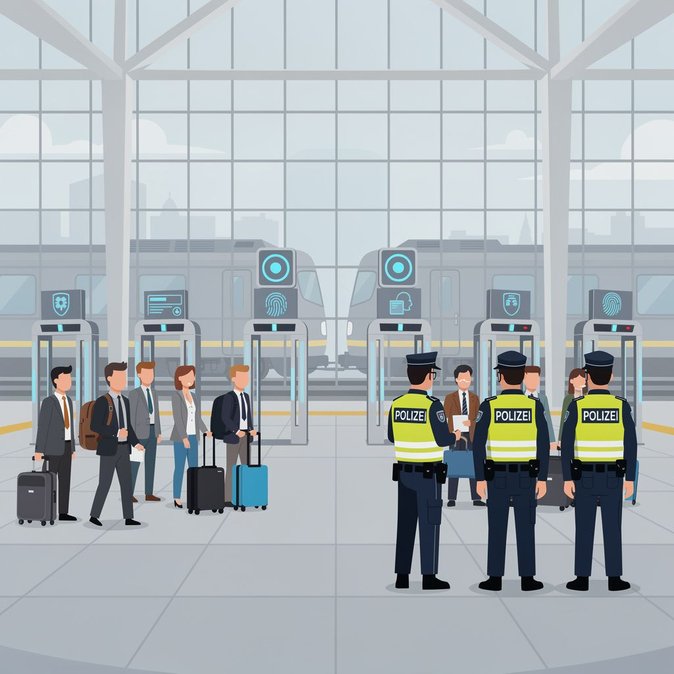
The Federal Police Headquarters in Potsdam announced a new 72-hour “Schwerpunkteinsatz” starting at 06:00 on 25 September to reinforce security and migration checks at eleven of Germany’s busiest urban rail hubs—including Berlin-Hbf, Hamburg-Altona, Frankfurt-Main, Cologne and Munich-Ost. The move follows a year-long programme designed to curb violent offences and unlawful stays in rail environments that attract large numbers of commuters and tourists. In the latest wave, more than 1,200 officers will be deployed in uniform and plain clothes, supported by sniffer-dog teams and mobile document experts. Portable fingerprint scanners and handheld devices connected to the European Schengen Information System will allow rapid identity verification of individuals suspected of immigration violations or cross-border crime. Freight yards near the Bavarian and Saxon borders will also be patrolled to detect clandestine entries. For corporate mobility managers the intensified presence means travellers should expect sporadic ID checks on platforms and longer queuing times when accessing trains—particularly for employees carrying residence permits or national passports from outside the EU. Companies running commuter shuttles in station precincts have been urged to brief drivers on potential traffic diversions. The police emphasised that the action is intelligence-led: incidents of grievous bodily harm at the targeted stations have risen by 17 % year-on-year, while clandestine entries detected on long-distance routes from France, the Czech Republic and Poland have jumped by 32 % since temporary internal border controls were reinstated in 2024. Results from the surge will feed into the Ministry of the Interior’s review of whether to maintain rail-corridor controls beyond March 2027. If high-impact crime and irregular migration numbers fall, the government may scale back resources or redeploy them to airports ahead of ETIAS go-live.
Source: Bundespolizeipräsidium