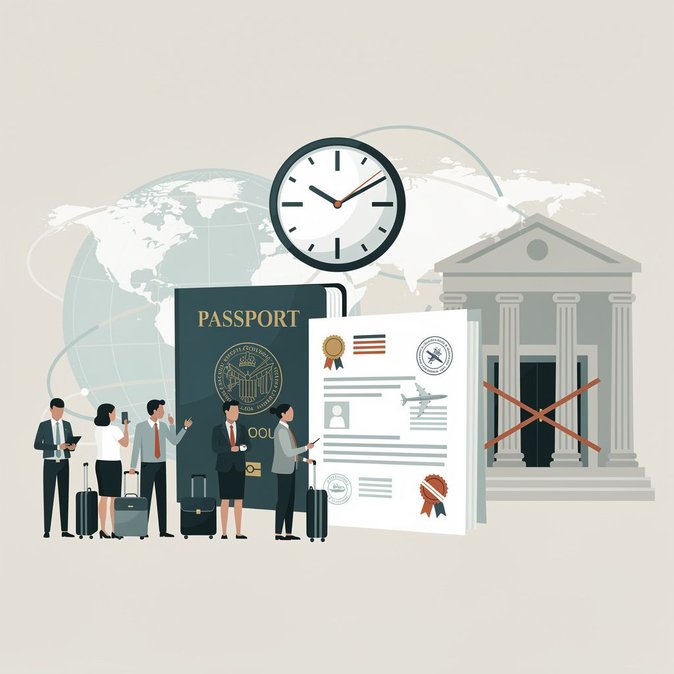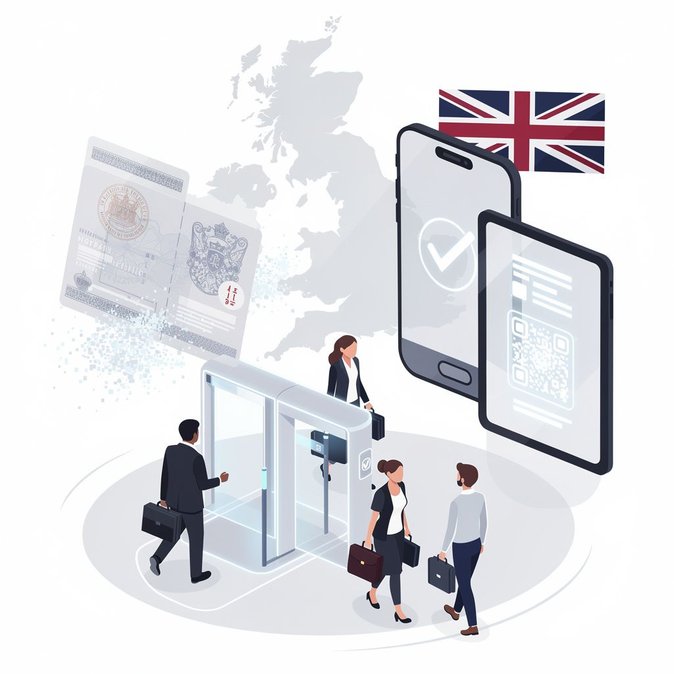
In a blog post published on 23 September, the Home Office said it has now issued more than 20 million Electronic Travel Authorisations (ETAs) and 10 million eVisas, calling it a “major step” towards a fully digital border by 2027. The digital transformation programme aims to make automated clearance the default for most legitimate travellers, while enabling earlier risk assessments using pre-travel data. Under the scheme, visa-exempt visitors must apply for a £10 ETA valid for multiple trips over two years, while migrants moving under work or study routes receive eVisas linked to their passports. From 25 February 2026, carriers face fines for boarding passengers without valid permission, and full enforcement begins across all nationalities in the summer schedule. For businesses, the shift promises faster e-gate passage at major airports and streamlined compliance for sponsored workers, as status information can be shared directly with HR systems via the Home Office “View and Prove” portal. However, travel managers need to update staff training because physical vignette stickers will be phased out during 2027. Suppliers of duty-of-care technology see an opportunity: real-time API access to Home Office status databases could allow alerts if an employee’s permission is close to expiry. The Home Office says it is “actively engaging” with industry to co-design these services.
Source: Home Office Careers blog