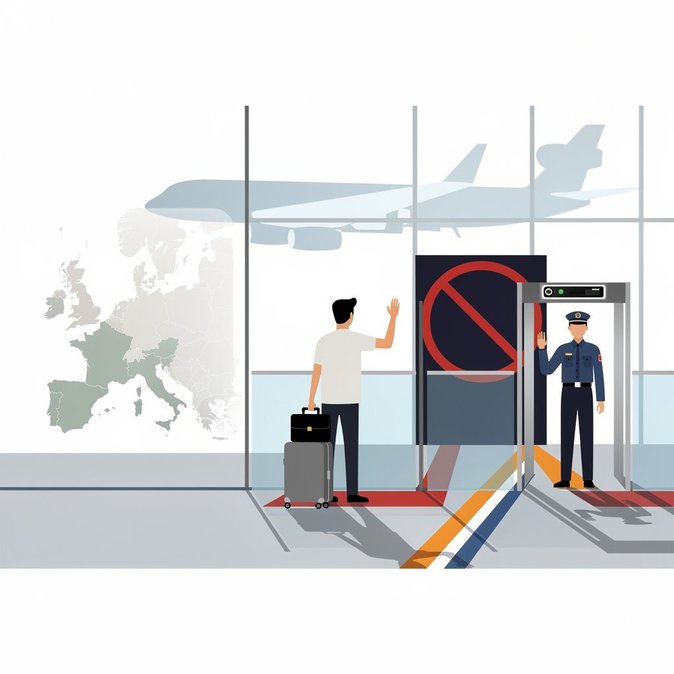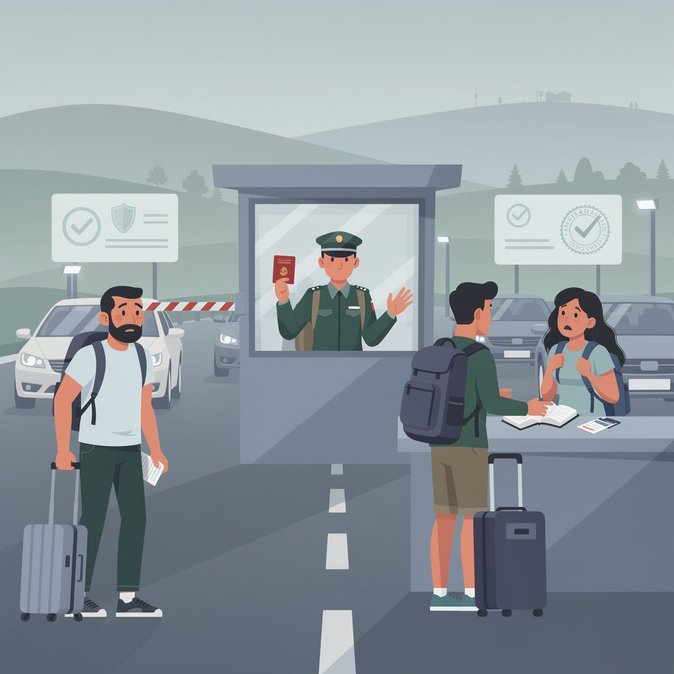
In two separate incidents on 24 September 2026, Bieszczady Border Guard officers denied entry to a Tajik citizen lacking a Schengen visa and to a Colombian-Venezuelan duo who could not present a credible travel itinerary. The cases, published under the headline “Bez wizy i bez planu podróży,” highlight a broader trend: the regional unit now averages several dozen refusals per day and has already issued more than 7,000 turn-backs this year. Under Schengen rules, third-country nationals must demonstrate both right of entry—through a valid visa or visa-free entitlement—and proof of purpose and financial means. The Latin-American travellers reportedly offered only a vague intention to “sightsee Eastern Europe,” without hotel bookings or onward tickets. They were issued immediate administrative decisions and escorted back to Ukraine. The uptick in refusals follows Poland’s full deployment of the Entry/Exit biometric system, which allows officers to see previous overstays or deportation orders in real time. Officials also cite an increase in asylum-shopping attempts, where travellers probe various EU borders to test enforcement rigor. For multinational employers posting staff to Poland, the message is clear: ensure employees carry invitation letters, confirmed lodging and proof of health insurance even when travelling under visa-free regimes. Carriers can also face fines for transporting improperly documented passengers, so airlines serving Rzeszów and Lublin are intensifying pre-boarding document checks. Legal-aid NGOs have voiced concern that rapid-fire decisions at smaller road posts limit travellers’ ability to appeal, but the Border Guard maintains that all refusals comply with EU Return Directive safeguards, including translation of the decision and the right to counsel.
Source: Bieszczady Border Guard