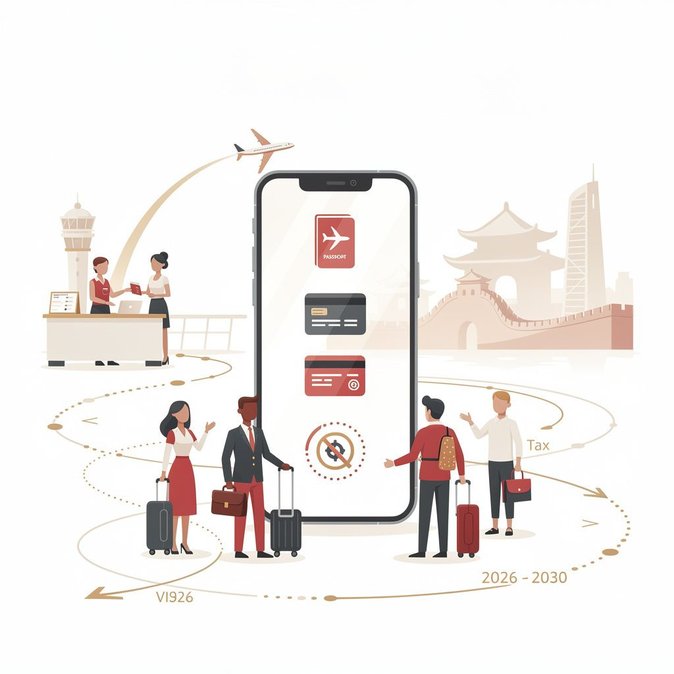
Speaking at a State Council Information Office press conference on 25 September, Vice-Minister of Culture and Tourism Wang Jianhua unveiled a blueprint to boost inbound arrivals during the 15th Five-Year Plan period. Authorities will work with multiple agencies to streamline visa issuance, expand visa-free regimes, simplify tax-refund procedures and promote digital payments such as the e-CNY and newly launched TenPayGo. The plan calls for ‘one-stop’ visitor service platforms that integrate flight booking, hotel reservations, attraction tickets and real-time translation, as well as multilingual signage at 20 key tourist cities and all Category 1 border checkpoints. China will also leverage six “Silk Road international alliances” covering theatres, museums, arts festivals, libraries, art museums and tourism cities to deepen cooperation with foreign cultural bodies. Inbound tourism has rebounded to 78 per cent of 2019 levels this year despite lingering air-capacity constraints. Officials aim to surpass pre-pandemic numbers by 2028, with particular focus on long-haul markets such as Europe and North America. Industry analysts note that improved ground services and friction-less payments are critical to converting pent-up demand into actual bookings, especially for high-spending segments like meetings, incentives, conferences and exhibitions (MICE). Travel and hospitality companies should monitor forthcoming implementing rules, including potential expansions of unilateral visa-free entry and electronic customs declaration pilots. Corporate travel buyers stand to benefit from greater flight frequencies and bundled tourism products that could lower total trip costs.
Source: Xinhua / SCIO