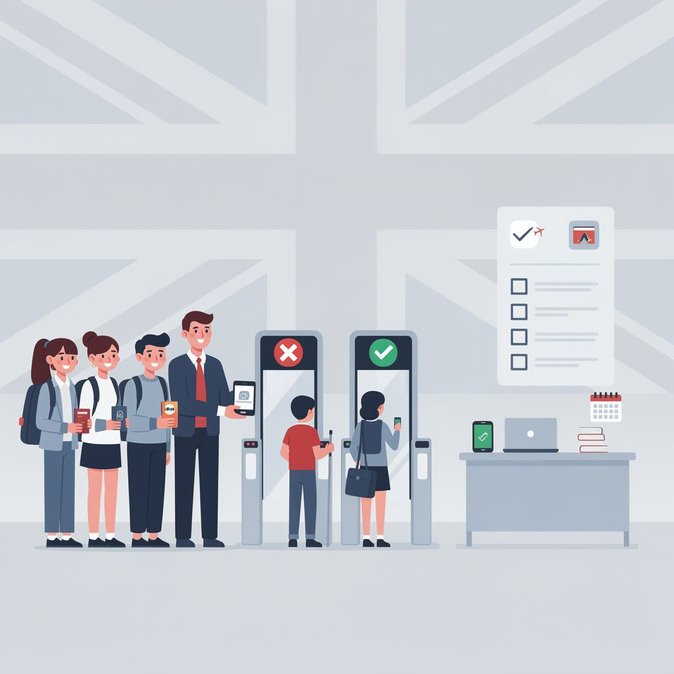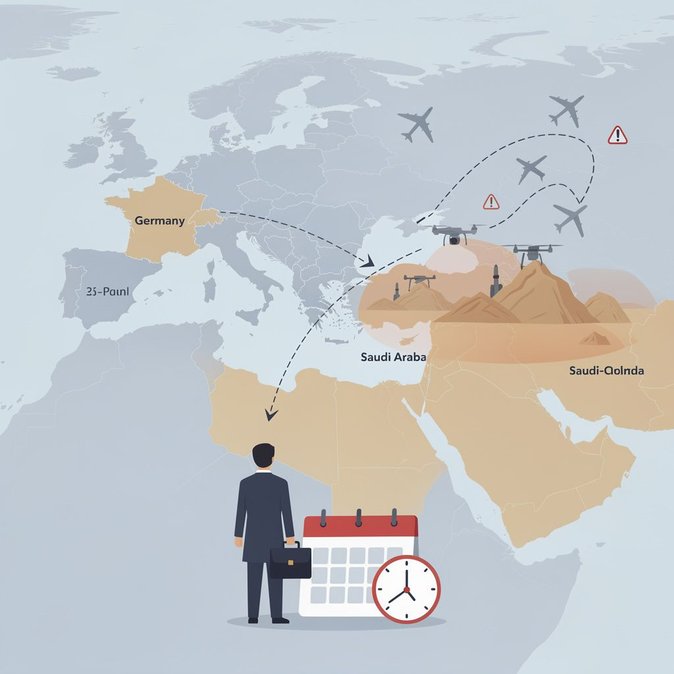
The Federal Police Directorate in Munich reported on 25 September 2026 that officers at the Hörbranz crossing on the A96 (border with Austria) detained a Philippine national travelling without valid ID on a bus headed for Munich’s Oktoberfest. The individual was placed in “Zurückweisungshaft” (pre-deportation custody), underscoring Germany’s zero-tolerance approach during its current six-month extension of internal Schengen checks. Although the incident involves a single traveller, it illustrates a much broader enforcement environment. Since 2024, Germany has reintroduced controls on several land borders—initially with Austria and later with Poland, Czechia and Switzerland—to stem irregular migration. With festival season in full swing and passenger volumes surging, the Interior Ministry has ordered spot inspections of long-distance coaches, regional trains and private vehicles. For multinational companies running shuttle services or relying on just-in-time deliveries from neighbouring countries, the practical effect is palpable: delays of up to 45 minutes have been recorded at the A93 Kiefersfelden and the A17 Breitenau crossings this week. Driver trip-sheets should account for possible secondary inspections, and employers must verify that non-EU staff carry both passports and residence permits when making day trips to Austria or the Czech Republic. The police emphasise that travellers whose documentation is in order are typically processed within minutes, but lack of an ID triggers immediate refusal of entry or custodial measures. Organisations planning group travel to Oktoberfest or other large gatherings should therefore perform pre-departure document checks and consider chartering services that can wait during inspections. Looking ahead, the Interior Ministry is expected to decide in March 2027 whether to maintain or phase out the controls. Until then, elevated scrutiny at Germany’s internal EU borders remains a fact of life for mobility managers.