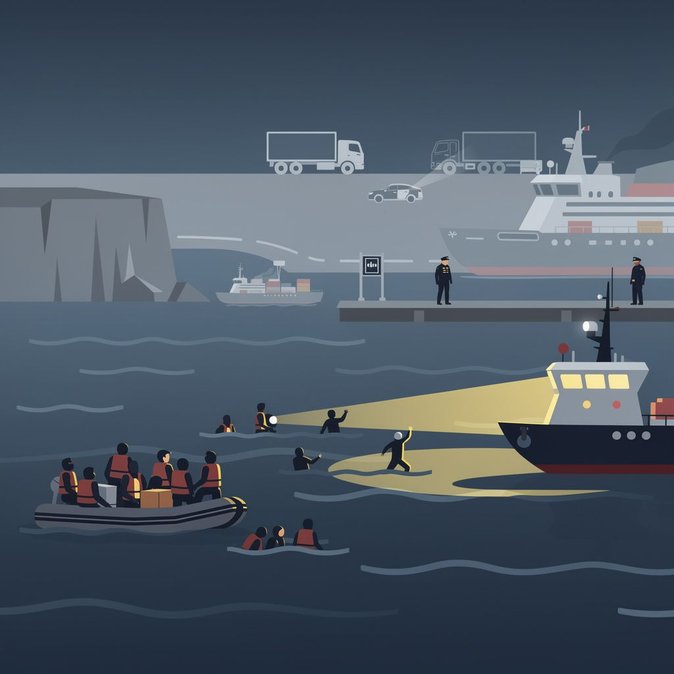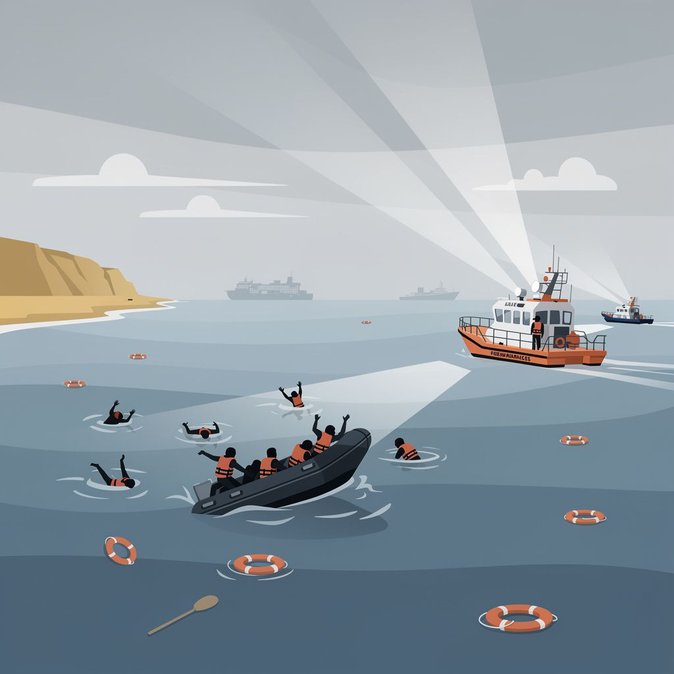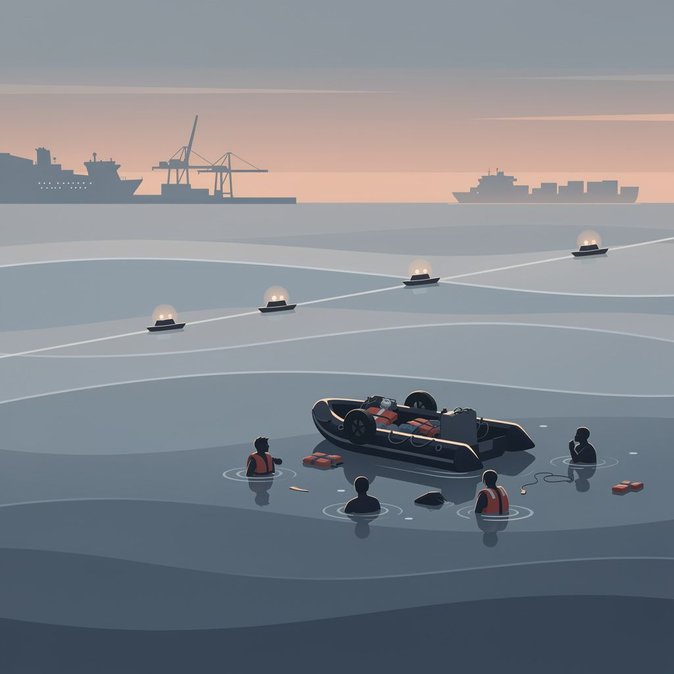
French authorities confirmed on Monday, 28 September 2026, that three people—a 10-year-old child and two women—lost their lives while attempting to cross the English Channel in an overcrowded inflatable dinghy carrying more than 100 passengers. A distress call reached France’s maritime police at dawn, prompting a joint maritime-air rescue operation that saved the remaining occupants. Preliminary information suggests the victims were crushed on board as smugglers continued the dangerous practice of loading additional passengers along the coast before heading toward UK waters. The incident occurred shortly after Pope Leo XIV, speaking in Metz, urged Europeans to show compassion toward people fleeing conflict and hardship. Despite a 40 % year-on-year drop in successful Channel crossings recorded by the UK Home Office, northern France remains a launch point for irregular journeys and, consequently, a flashpoint in domestic politics ahead of France’s 2027 presidential election. The far-right Rassemblement National continues to criticise the government for perceived laxity, while Paris defends its coast-guard deployments and cooperation with Britain. Human-rights groups say the tragedy highlights the absence of safe, legal migration channels. Business leaders are also watching closely: tightened coastal patrols and political scrutiny of irregular migration often spill over into more stringent checks on legitimate freight and passenger traffic through Calais, Dunkirk and the Channel Tunnel, raising supply-chain costs. French Interior Minister Marlène Schiappa has announced an internal review of rescue-response times and an urgent meeting with UK counterparts to refine joint surveillance and prosecution of smuggling networks. Companies moving staff between the UK and France should anticipate random inspections and possible delays at ferry ports in the coming days. Employers with assignees arriving through northern France are advised to provide travellers with emergency contact numbers and monitor government travel advisories. Long-term, the episode will feed into parliamentary debate on France’s draft migration and asylum adaptation bill, due for committee hearings in October. Corporate mobility managers should track whether new provisions on carrier-liability fines and extended detention periods make it through the legislative process, as these could indirectly affect transport operators and relocation timelines.
Source: Reuters via Internazionale