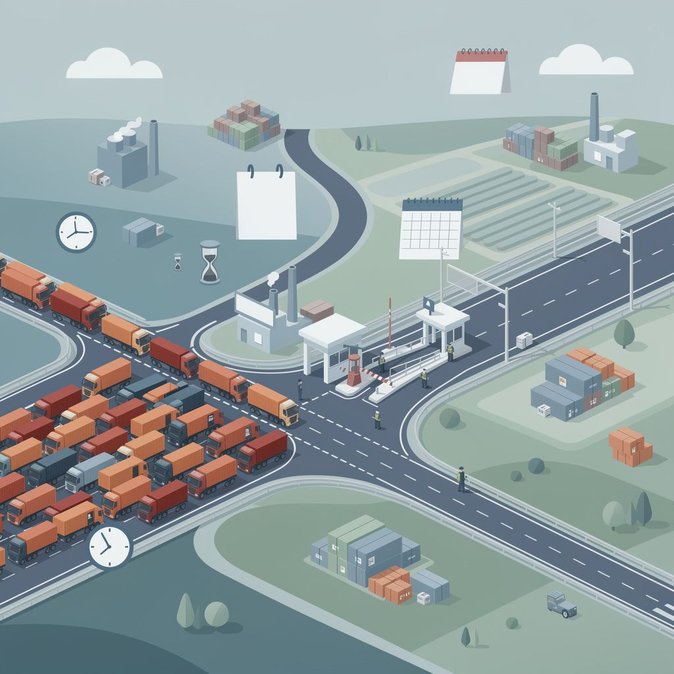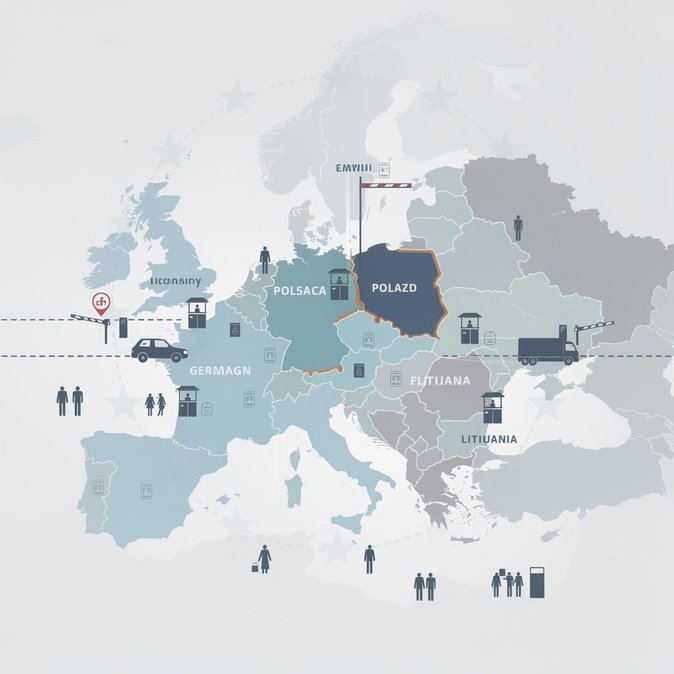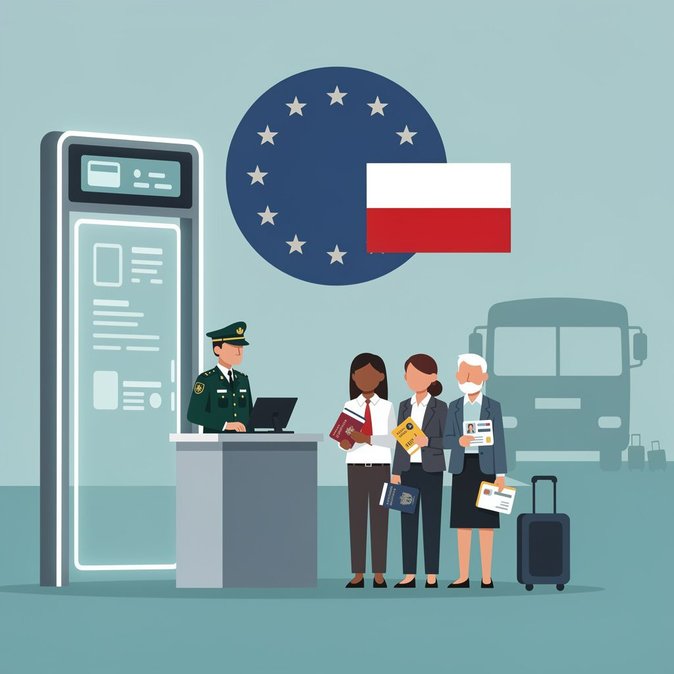
Poland’s Ministry of the Interior and Administration has formally prolonged temporary controls at the country’s internal Schengen borders with Germany and Lithuania. A regulation published in the Journal of Laws on 25 September 2026 extends the measure from 2 October 2026 through 30 March 2027. The Lower-Silesian Voivodeship Office confirmed on 28 September that the checks will continue at the main Lower-Silesian road crossings—Porajów, Sieniawka, Radomierzyce, Zgorzelec and Jędrzychowice—as well as on rail services such as the Zgorzelec-Görlitz line. Similar controls will remain in place on the north-eastern stretch of the Polish-Lithuanian border. The ministry justifies the decision by citing “a serious threat of illegal immigration” linked to irregular routes that originate in Belarus and run through the Baltic states into Germany. Poland first reinstated the checks in October 2025 after Berlin re-introduced controls on its side of the frontier; since then, Warsaw has renewed the measure every six months, as allowed under Articles 25–28 of the Schengen Borders Code. For travellers, the practical impact is modest but noticeable. Officers of the Polish Border Guard, supported by police and Territorial Defence troops, conduct spot checks on identity documents, vehicle registrations and—occasionally—cargo. Officials advise motorists to keep passports or ID cards within easy reach, roll down windows promptly and expect short delays, especially during peak commuting hours or holiday weekends. Commercial haulage firms should continue to factor an extra 10-15 minutes per crossing when planning just-in-time deliveries between Poland and Germany. Business-travel planners should also note that Germany still runs its own mobile checks on the opposite side, meaning executives driving to client meetings in Berlin or Dresden can be stopped twice in quick succession. Airline and rail passengers remain unaffected because the controls are limited to land borders. Although Schengen rules frame re-introduced controls as a measure of last resort, the continuing instability on the EU’s eastern flank and unresolved disputes over the bloc’s migration pact make a return to a fully control-free border unlikely before the spring of 2027. Companies running rotational workforces across the Polish-German frontier should therefore build the extended timeline into secondment schedules and staff-mobility budgets.