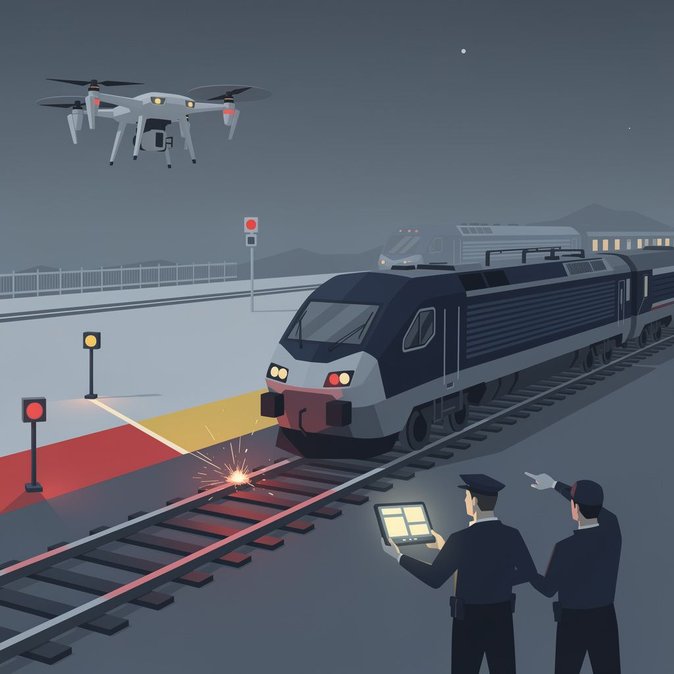
Ukrainian officials have confirmed that a Russian attack drone hit a locomotive at Yahodyn station in Volyn oblast—barely two kilometres from the Polish border—shortly after midnight on 27 September. The train had moments earlier carried former UK prime minister Boris Johnson and several European security advisers back toward Poland following the YES conference in Kyiv. No casualties were reported; passengers were evacuated 15 minutes before impact after rail staff received an air-raid alert. The incident underscores the growing spill-over risk for international travellers using the Kyiv–Warsaw rail corridor, which has become the default route for diplomats, aid workers and corporate staff since Ukrainian airspace closed in 2022. Polish Prime Minister Donald Tusk convened an emergency security council and instructed the national rail operator PKP to review contingency plans for trains arriving at Dorohusk and further inside Poland. Railway insurers told The Business Standard that premiums on services running within 10 kilometres of the frontier could rise by 20 % unless additional counter-drone measures are deployed. Operators are examining the feasibility of installing mobile signal-jammers on locomotives, but experts warn this could disrupt passenger communications and freight-tracking systems. For companies moving personnel between Poland and Ukraine, travel-risk policies should now treat the final leg on Ukrainian territory as “high threat”. Best practice includes booking carriages in blocks so teams can be accounted for, carrying satellite communicators, and staggering departure times to avoid predictable schedules. Polish authorities have reiterated that no part of the country’s airspace was violated, but have moved a Patriot battery closer to the border as a precaution. While the Yahodyn line reopened after debris was cleared, further strikes are possible. The Foreign Office in Warsaw advises travellers to monitor alerts via the Diia app and be prepared to disembark at Chelm if trains are held at the frontier for security checks.
Source: The Business Standard