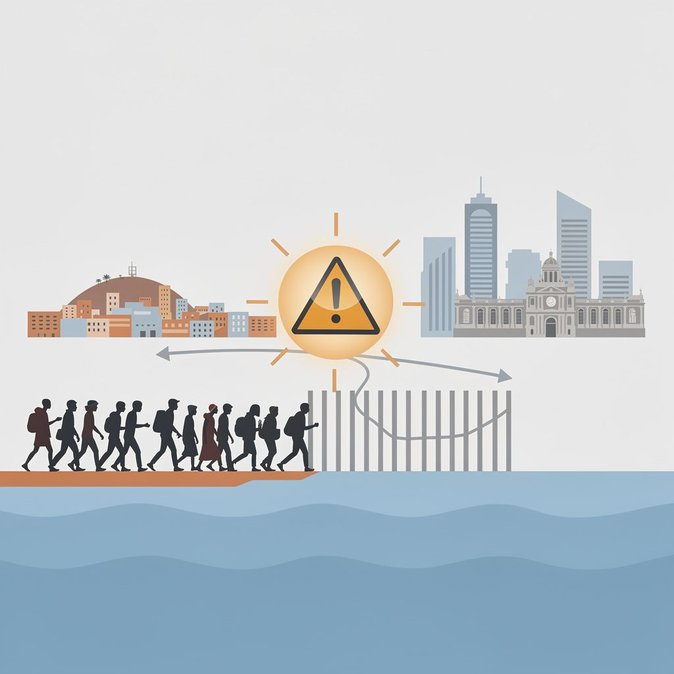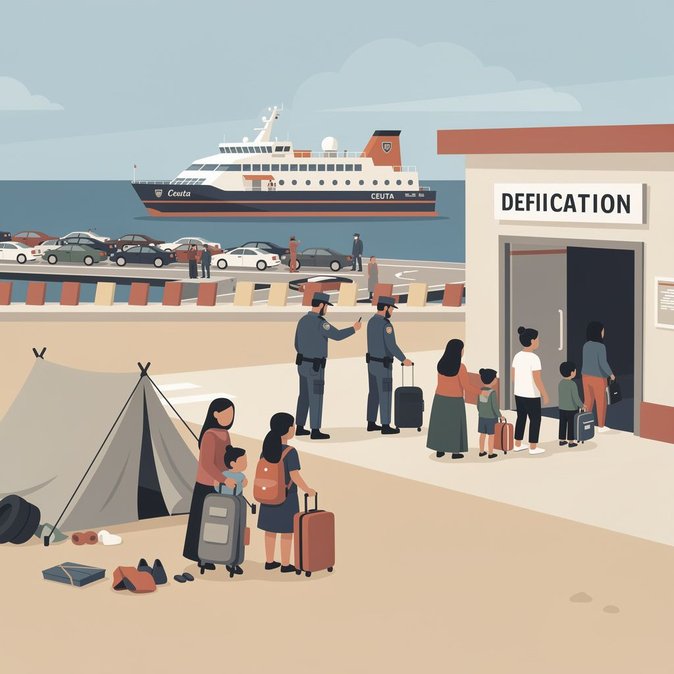
At dawn on 30 September, Spanish police buses removed around 30 women—some pregnant—and small children who had been sleeping for weeks outside the La Hípica sports complex in Ceuta. They were taken to an identification facility where biometric data are collected before transfers to dedicated family accommodation. The operation follows health-authority warnings that infants were exposed to unsafe sanitation as autumn rains approach. Officials stress that family units are being prioritised for shelter places, while single adult males will continue to occupy tented sites until new modular centres come online in mid-October. For mobility managers the message is two-fold. First, heightened police presence around ferry terminals will continue, with random checks of passenger manifests to deter stowaways. Second, ferry operators connecting Ceuta with Algeciras, Málaga and Motril report capacity constraints because coaches booked for migrant transfers have priority loading windows. Local NGOs welcome the move but say only 400 of an estimated 2,500 vulnerable women and children have so far been relocated to safe housing. They urge Madrid to allow faster onward movement to mainland reception centres so that schooling can resume for minors. Companies relocating staff through Ceuta or organising site visits should factor in additional lead-times for ferry bookings and advise travellers to carry proof of accommodation to avoid secondary questioning.
Source: Cadena SER