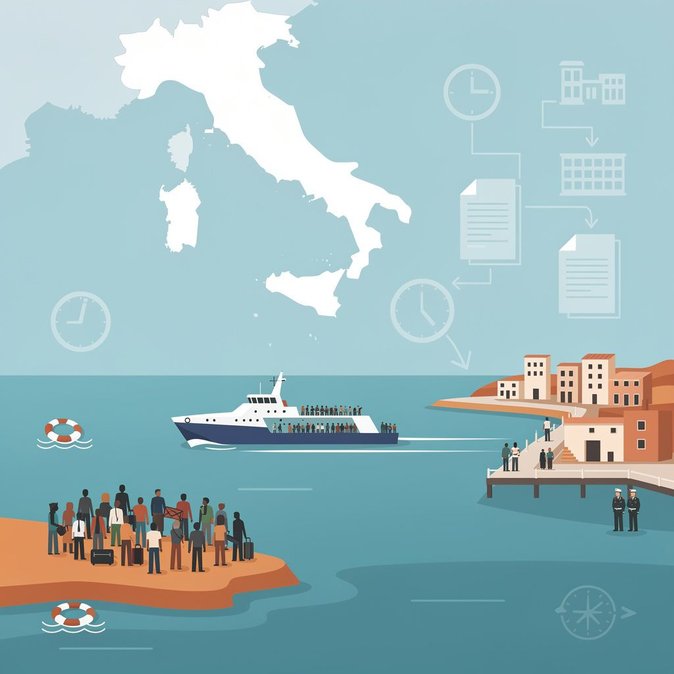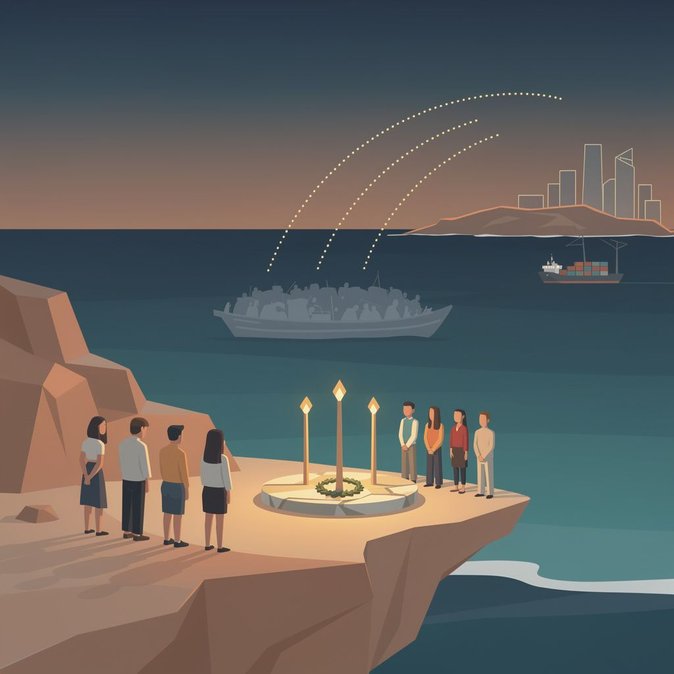
Thousands of residents, students and shipwreck survivors marched through Lampedusa on 3 October to commemorate the 2013 tragedy in which 368 migrants drowned just off the island’s coast. Organised by the NGO Comitato 3 Ottobre, the annual ‘Giornata della Memoria e dell’Accoglienza’ has become a rallying point for advocates who want Italy and the EU to replace emergency responses with legal avenues for protection seekers. Cardinal Matteo Zuppi, president of the Italian Bishops’ Conference, joined via video-link, telling participants that “dignity has no passport.” His remarks echoed the broader policy debate in Rome, where lawmakers are weighing whether the new Flussi 2026-28 decree should include additional humanitarian corridors alongside labour quotas. For global-mobility stakeholders, the anniversary is more than symbolism. In recent years, pressure arising from repeated mass arrivals in Sicily has pushed the Interior Ministry to tighten maritime-border controls and to sporadically suspend Schengen rules with Spain and Slovenia. Those measures, in turn, can disrupt ferry schedules, airport policing levels and even availability of police appointments for residence-permit renewals. Local tour operators report that corporate travel to Lampedusa—largely linked to renewable-energy projects—has faced erratic ferry timetables during peak arrival weeks. Mobility managers with employees transiting southern Sicilian ports should therefore monitor humanitarian-transfer operations that can commandeer commercial vessels at short notice. Advocacy groups used this year’s march to present a white-paper urging the creation of EU-wide ‘Talent & Protection’ visas, combining employment sponsorship with refugee resettlement. While still a long-shot, the proposal signals how migration-policy debates continue to evolve in Italy twelve years after the original tragedy.
Source: ANSA