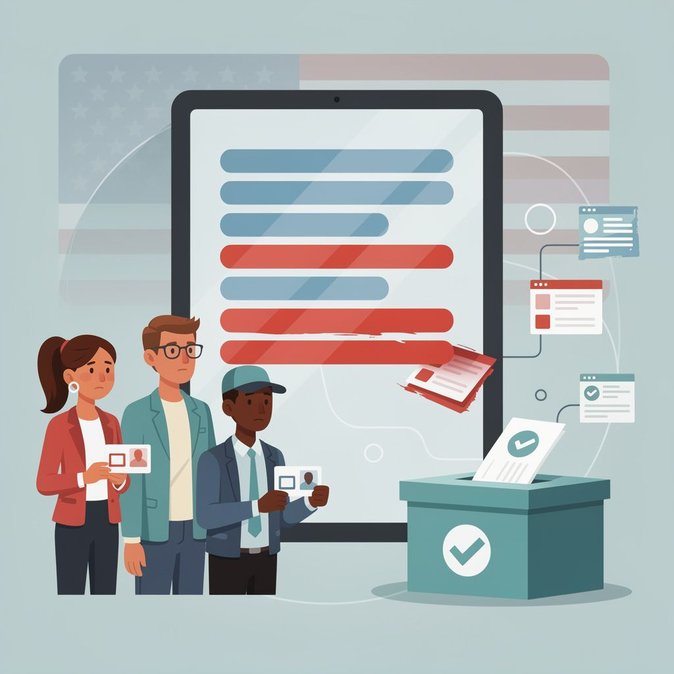
A rulemaking notice updated October 2 on the federal Unified Agenda confirms that the Department of Homeland Security’s Transportation Security Administration is in the “final rule” stage of authorizing fully remote application and issuance of REAL ID-compliant driver’s licenses and identification cards. The regulation—RIN 1652-AA78—is expected to be published in November and will let states verify identity, collect biometrics and mail credentials without the applicant visiting a DMV office. The change could be a boon for domestic assignees and digital nomads who struggle to schedule in-person DMV appointments while on temporary work assignments across state lines. It also dovetails with TSA’s move toward mobile driver’s licenses in its credential authentication technology (CAT-2) units at airports. States that opt in must submit updated REAL ID certification packages detailing security and anti-fraud controls. Costs include IT upgrades and integration with federal databases, but TSA projects net savings for individuals who avoid travel and time off work. For global-mobility teams, the rule will simplify onboarding U.S. hires working remotely and reduce time lost to DMV visits when employees relocate between states. Foreign license holders converting to a U.S. credential may still need an in-person visit, but follow-on rulemaking could address that gap. Assuming publication on schedule, the remote-issuance framework could be in force before the REAL ID airport enforcement deadline of May 3, 2027, giving companies 18 months to help staff upgrade credentials.