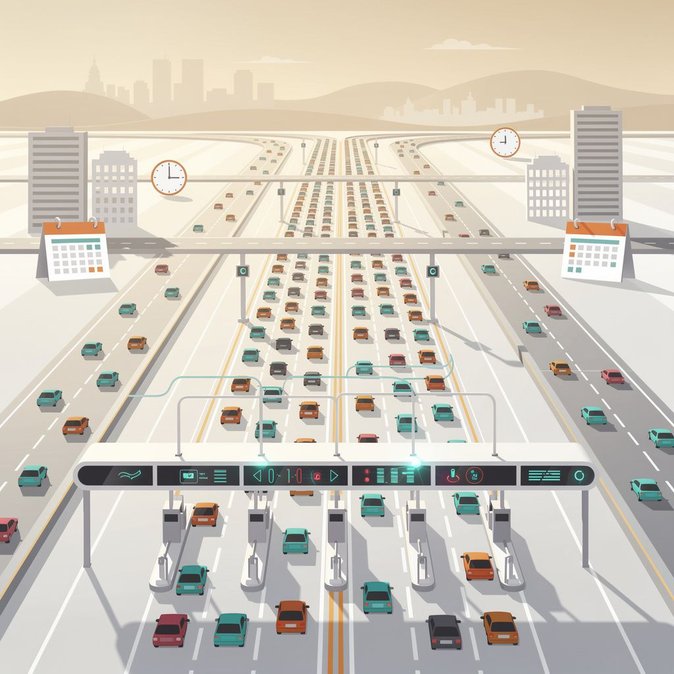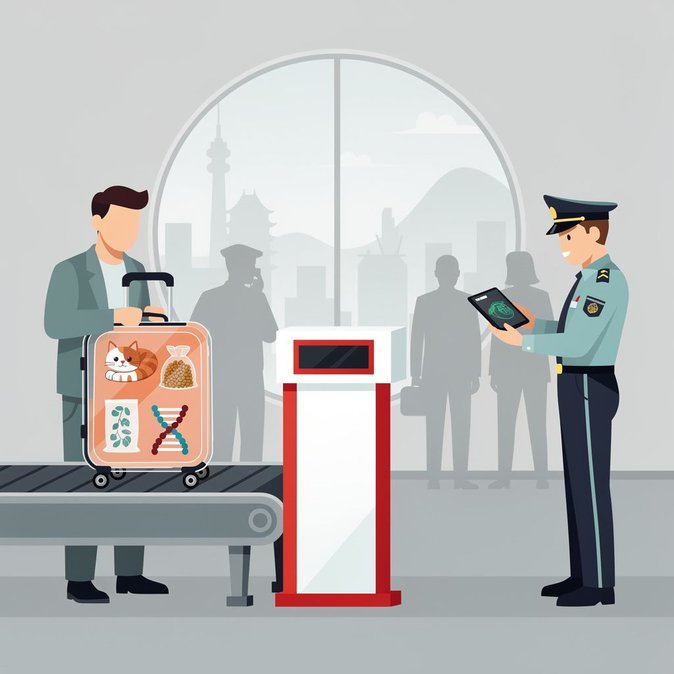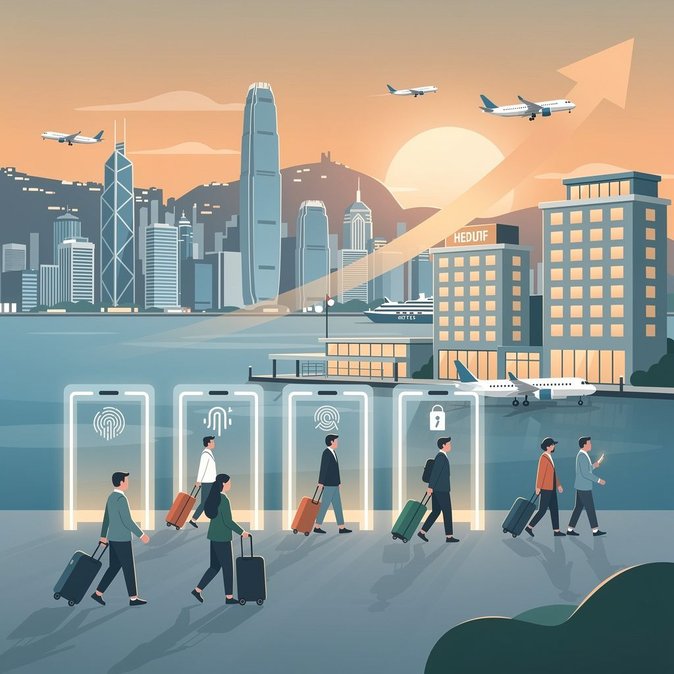
Hong Kong saw a 19 percent year-on-year jump in mainland Chinese arrivals on 1 October—the first day of the National Day holiday—according to Immigration Department figures analysed by the South China Morning Post. A total of 277,304 mainland residents entered the city, buoyed by the return of the Victoria Harbour fireworks display and a more compact seven-day break that nudged travelers to start early. Travel-trade insiders report that premium cabins on high-speed trains and business-class seats on Beijing- and Shanghai-origin flights were sold out weeks in advance, reflecting a structural shift toward “quality tourism.” Corporate travel desks also point to a pick-up in small-meeting and incentive bookings piggy-backing on family trips—an early sign that Hong Kong’s Meetings, Incentives, Conferences and Exhibitions (MICE) market is regaining momentum. From a mobility-management perspective, the day-one spike tested the first full-scale deployment of Hong Kong’s upgraded e-channel immigration gates, which processed more than 70 percent of passenger throughput. Border wait times at Lo Wu and Lok Ma Chau fell below 20 minutes at peak, according to Transport Department sensors, suggesting that recent joint-inspection arrangements with mainland authorities are beginning to pay dividends. However, industry groups caution that the rest of Golden Week could see uneven demand. Hotel occupancy in core districts topped 90 percent on 1 October but slid to the mid-70s by day 4. Mobility planners should monitor room availability and cross-boundary coach capacity toward the weekend return rush, when load factors typically invert. For corporate assignees, flexible departure windows on 7–8 October will mitigate the risk of congestion at both airport and land checkpoints. Longer term, Hong Kong Tourism Board executives are lobbying for a return of multiple-entry visas for Shenzhen residents and a pilot expansion of the 144-hour visa-free transit scheme to encourage longer stays. If approved by Beijing, these measures could lock in the current rebound and further integrate the Greater Bay Area’s business-travel ecosystem.
Source: South China Morning Post