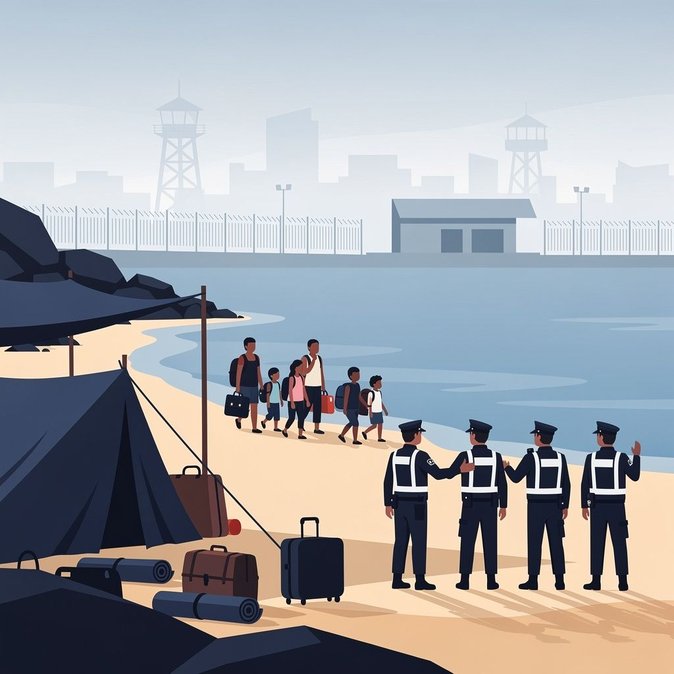
While adults in Ceuta’s tent city struggle with overcrowding, an estimated 800 unaccompanied minors have been sleeping in doorways or lining up outside a local church after the regional shelter system reached capacity. Advocacy groups accuse Madrid of failing to activate the emergency transfer mechanism that would move children to mainland reception centres within 72 hours, as required by Spain’s own child-protection law. The backlog poses legal as well as reputational risks for multinational firms that send staff to Spain on assignment. Under EU Corporate Sustainability rules, companies must demonstrate respect for human rights in their supply chains. Several consumer brands with logistics hubs in Andalusia are already fielding activist questions about whether their subcontracted security providers are involved in policing Ceuta’s minors. The practical fallout reaches beyond the enclave. Italy cited the presence of “underage migrants in precarious conditions” in its latest notice extending border checks on travellers arriving from Spain until 16 October. Airlines have warned of boarding delays because every passenger—including EU nationals—must now clear manual passport inspection on Spain-Italy routes. Spanish officials say the delay stems from a lack of beds on the peninsula and from bureaucratic gaps between the ministries of Interior and Social Affairs. A fast-track decree that would allow regional governments to requisition hotel rooms for minors stalled in parliament last week. Mobility teams should monitor whether EU infringement proceedings follow; Brussels fined Spain in 2024 for child-protection failures at the Canary Islands’ Arguineguín pier. Repeat infractions could lead to Schengen monitoring missions and further ad-hoc border checks that complicate intra-EU business travel.
Source: Associated Press