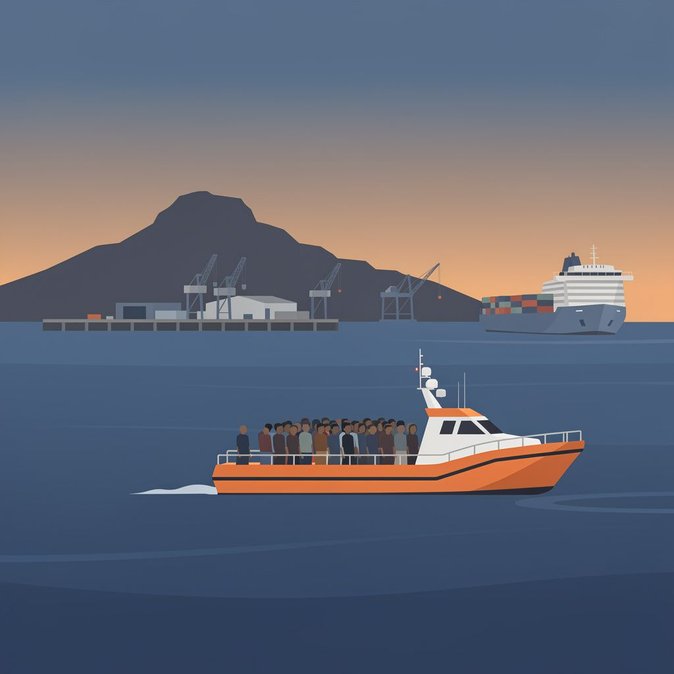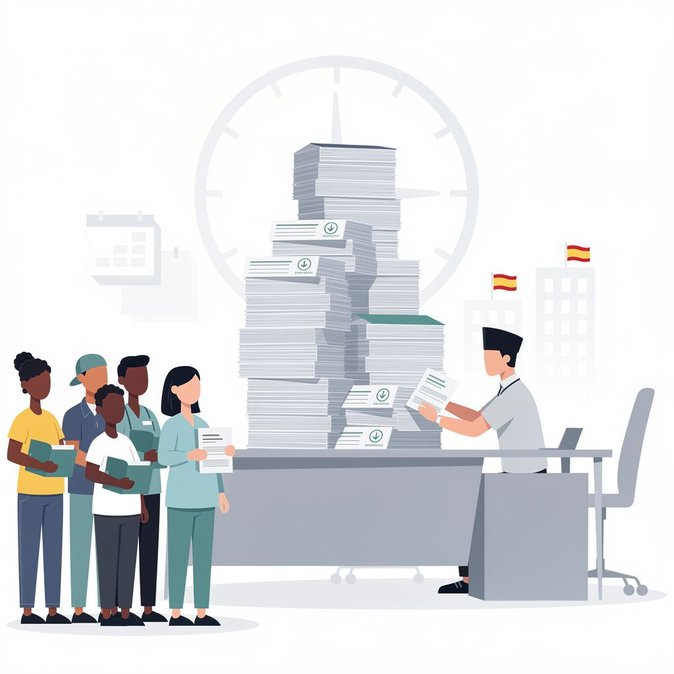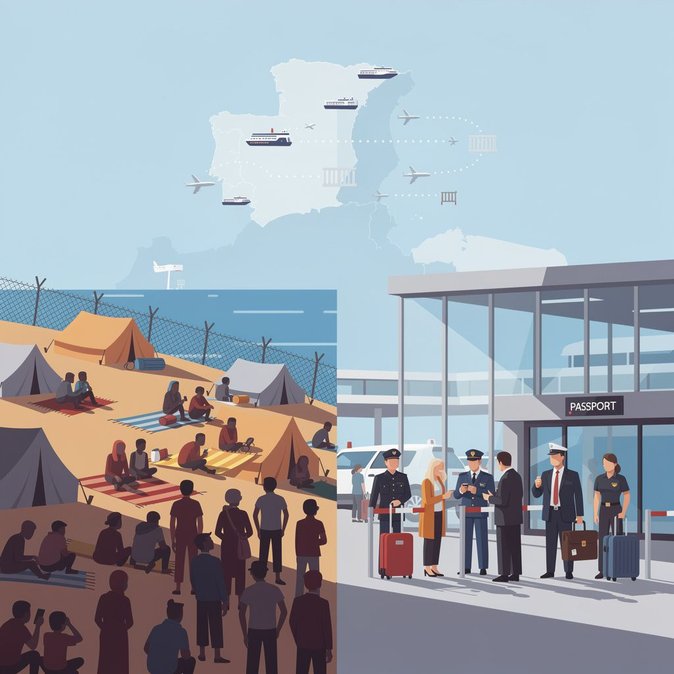
In the early hours of 10 October, Associated Press reporters counted long queues of teenage boys outside the parish church of Santa María de África in Spain’s north-African enclave of Ceuta. More than two months have passed since an unprecedented 80,000 irregular migrants crossed the border from Morocco, overwhelming reception facilities. While most adults have already been returned or transferred, at least 1,800 unaccompanied minors are still waiting for shelter placements or onward transfer to mainland Spain. Local NGOs say overflow tents at the Tarajal sports complex are full and sanitary conditions are rapidly deteriorating. Visiting Youth Minister Sira Rego told reporters that the central government is “negotiating emergency quotas” with eight autonomous communities, but regional presidents from Madrid, Castilla-La Mancha and Galicia publicly rejected compulsory redistribution this week, arguing that existing child-protection systems are already stretched. The impasse leaves Ceuta’s city government footing a daily bill of €120,000 for food, security and temporary tents. Business-mobility practitioners warn that the situation is having knock-on effects on corporate travel. Since 8 October, Spain has re-introduced identity checks on all ferries and domestic flights arriving from Italy, citing the Ceuta crisis and potential secondary movements. Airlines have responded with longer minimum connection times at Madrid Barajas and Barcelona El Prat, frustrating tight-schedule business itineraries. Experts say that unless Madrid accelerates transfers before winter, Spain could face infringement proceedings for breaching EU reception-standards legislation. Companies relocating staff through Ceuta or nearby Tangier are advised to factor in potential delays at the land border and to double-check hotel availability, which local authorities have requisitioned for vulnerable minors. For global-mobility managers, the episode underscores a broader trend: humanitarian emergencies on Europe’s external borders can rapidly spill over into Schengen-internal controls, disrupting even routine domestic travel. Advance planning and flexible ticketing policies have become essential risk-mitigation tools.
Source: Associated Press