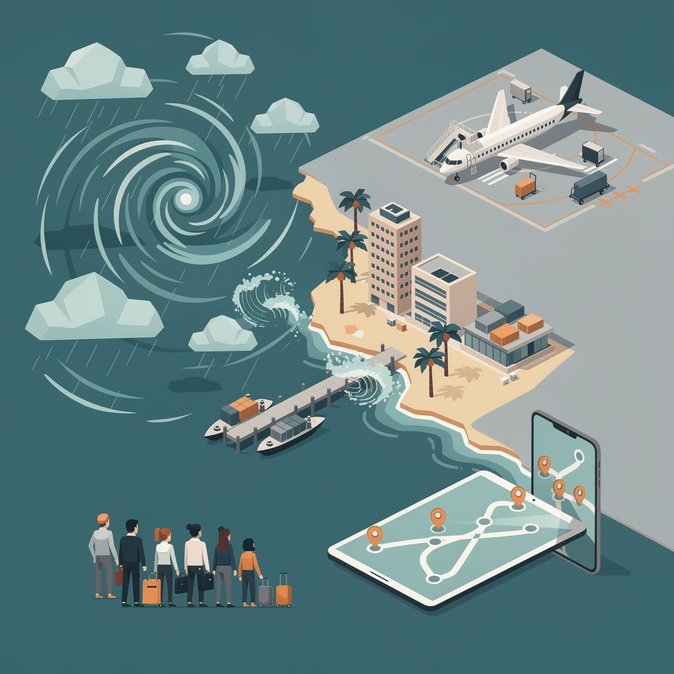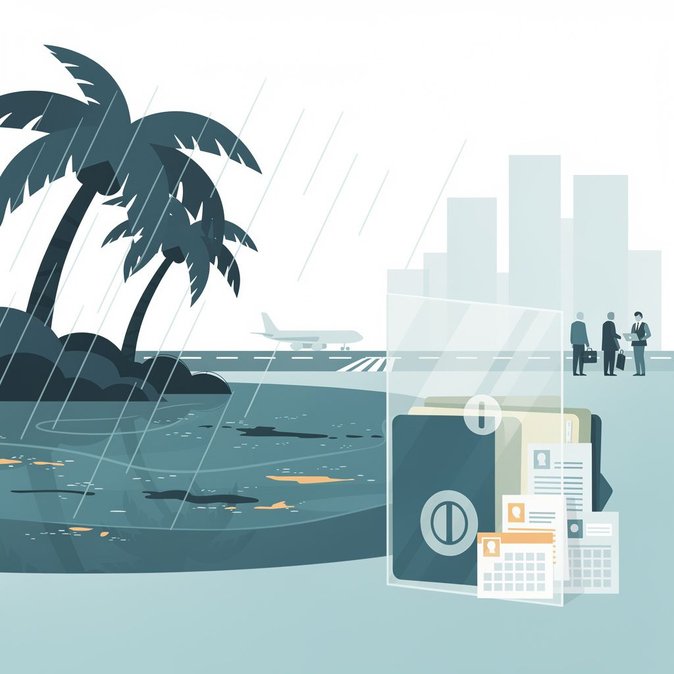
Tropical Cyclone Isaias, downgraded from hurricane status, dumped up to 10 inches of rain across Alabama, Georgia and the Carolinas on October 10. Fallen trees blocked sections of Interstate 10 and severed power to more than 500,000 customers, including several U.S. Passport Agency branch offices that rely on commercial grid power. The storms also forced multiple U.S. embassies in the Caribbean—already operating with reduced staffing—to cancel or reschedule non-immigrant visa appointments because diplomatic pouch flights from Atlanta were unable to depart. The Federal Emergency Management Agency (FEMA) announced an emergency fuel-exchange authorization of 4 million barrels from the Strategic Petroleum Reserve to keep Gulf Coast refineries running, illustrating how domestic natural-disaster response can ripple into international mobility operations by affecting document logistics. For employers, the immediate concern is assignment delays: candidates who expected to enter on H-2B or J-1 visas now face interview push-outs of one to two weeks. Companies using just-in-time project staffing models in the Southeastern United States should build slack into onboarding timelines and verify whether unavoidable weather-related postponements qualify for payroll tax relief under IRS disaster provisions. Travel-risk experts also caution that many corporate evacuation contracts cover hurricanes only until the National Weather Service downgrades the system; once reclassified as a post-tropical cyclone, further assistance may incur extra fees. Review vendor terms accordingly. Looking ahead, Isaias underscores the need for integrated domestic-international contingency planning: a storm that never crosses a border can still stall passport printing, halt consular pouch flights, and derail visa issuance around the world.
Source: Associated Press