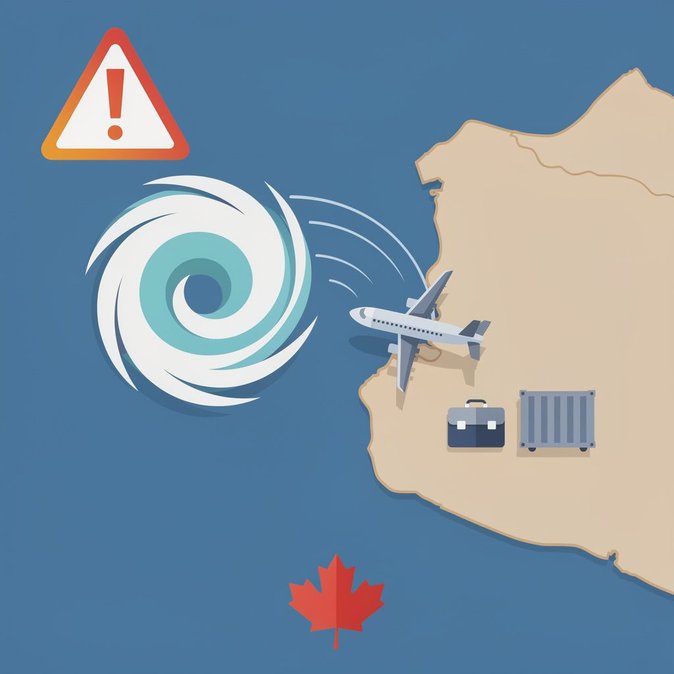
The Government of Canada has issued a fresh update to its Mexico Travel Advice and Advisories page, elevating the risk level for a stretch of the country’s west-central Pacific coast after Hurricane Simon swept through the area over the weekend. As of 10:23 ET on October 12, Ottawa is urging Canadians to “avoid non-essential travel” from Punta San Telmo in Michoacán to Bahía Tempehuaya in southern Sinaloa—including the offshore Islas Marías—because of storm damage, flooding and the possibility of landslides. While Mexico as a whole remains at the “exercise a high degree of caution” level due to persistent violent crime and kidnapping, the hurricane-related designation adds a natural-disaster overlay that can trigger insurance exclusions, invalidate pre-arranged business-travel approvals and complicate corporate emergency-response planning. Employers with operations or project sites along the affected corridor should review evacuation plans, confirm employee whereabouts and check whether supplier shipments are likely to be delayed by road closures or port interruptions. The advisory also reminds Canadians that demonstrations, criminal roadblocks and airport shutdowns are common during and after major storms. Clients shipping goods overland are advised to build extra lead time into supply chains and to avoid nighttime driving whenever possible. Companies sending technicians to coastal energy or mining sites are encouraged to stage teams in Guadalajara, León or Mexico City until local authorities restore essential services. For travellers already in the region, Global Affairs Canada recommends enrolling in the Registration of Canadians Abroad (ROCA) service, monitoring local media and carrying proof of travel insurance that specifically covers hurricane-related disruptions. Airlines have begun waiving change fees for flights to Manzanillo, Puerto Vallarta and Mazatlán; however, seat availability remains tight because of post-holiday demand. Looking ahead, corporate mobility managers should expect Canada’s risk rating for parts of Mexico’s Pacific coast to remain elevated until authorities repair key segments of Highway 200 and reopen Mazatlán’s commercial port to full capacity. Businesses with rotating crews may want to shift schedules toward Mexico’s central plateau or border maquiladora zones until mid-November, when the tail end of the Pacific hurricane season typically subsides.