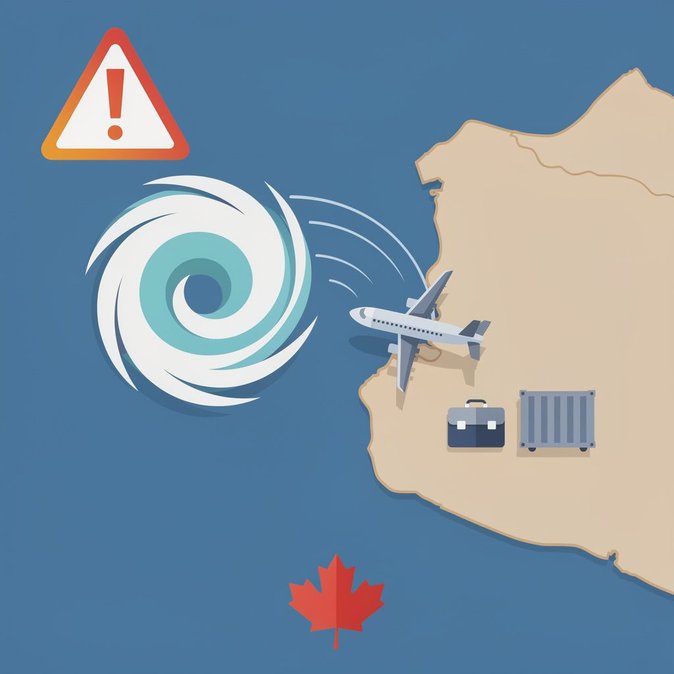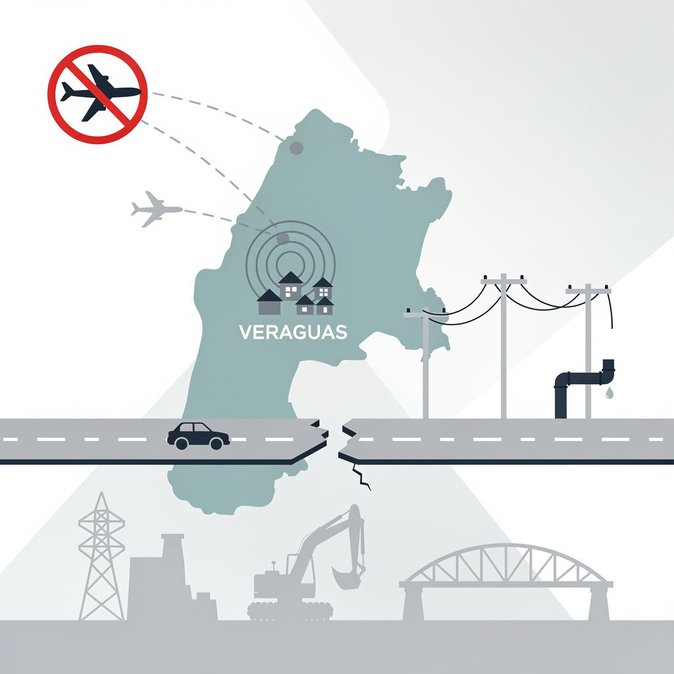
Global Affairs Canada amended its Panama travel advisory on the afternoon of October 11, adding the townships of Arena, El Cacao and Quebro in Veraguas Province to the “avoid non-essential travel” list. The change follows a magnitude-6.4 earthquake that struck Panama’s Pacific coast on October 9, causing landslides, bridge damage and intermittent power outages across central parts of the country. Although Panama overall remains at the lowest “take normal security precautions” tier, the targeted warning effectively bars Canadian government staff from travelling to the three townships and signals to insurers and multinational employers that heightened duty-of-care measures are now required for assignees in the region. Energy, forestry and telecom projects clustered around Santiago de Veraguas rely on supply routes that pass through the affected area; companies are already reporting delivery delays of up to 48 hours for heavy equipment and spare parts. Canadian engineering firms supporting the Pan-American Highway expansion have been advised to conduct structural inspections of overpasses and culverts before resuming night-shift work. Mobility managers should confirm that locally hired staff have access to safe drinking water and temporary shelter, as some rural communities remain without electricity. Travellers transiting Tocumen International Airport should check onward connections because domestic flights to Chitré and David are experiencing schedule adjustments while authorities assess runway integrity. The advisory also reiterates long-standing “avoid all travel” guidance for Panama’s Darién Gap and Mosquito Gulf due to organized-crime activity. Given Panama’s role as a regional logistics hub, any prolonged infrastructure outage could ripple through Central American supply chains. Companies with time-sensitive cargo may wish to reroute shipments through Colón’s Caribbean ports or via air freight until the Public Works Ministry certifies key bridges in Veraguas as structurally sound.