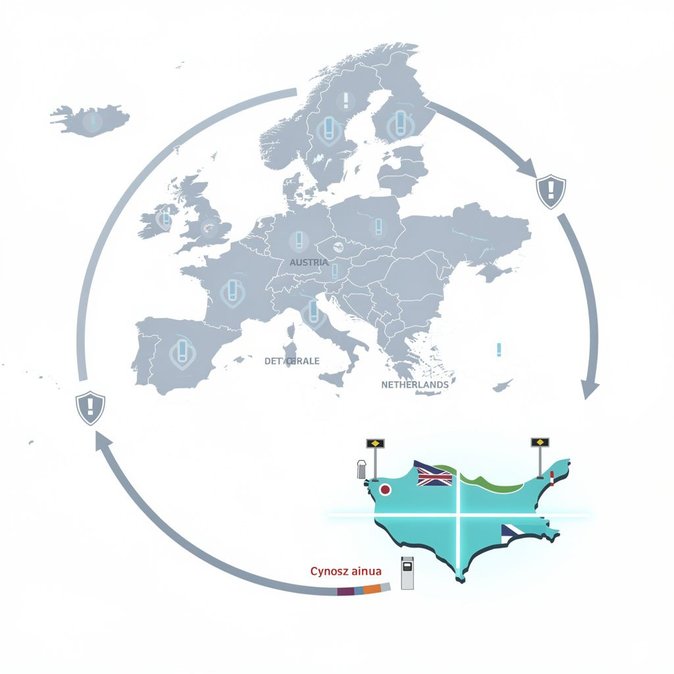
Remote-work platform Stamped Nomad published an updated guide to Cyprus on 12 October, highlighting fresh cost-of-living data, tax tips and—crucially—confirmation that the Digital Nomad Visa remains capped at 500 permits with a net-income floor of €3,500 a month. The article consolidates information scattered across multiple government circulars since the scheme reopened at the end of 2025. Key points include the one-year validity (renewable once to three years), in-country filing requirement at the Migration Department in Nicosia, and the need for private inpatient and outpatient health insurance. The guide contrasts the nomad route with Category F permanent residence (passive-income permit) and the €300,000 investor residence permit, giving mobile professionals a matrix of options depending on income and desired permanence. For digital nomads, the biggest practical takeaway is day counting. Because Cyprus is still outside Schengen, time spent on the island is tracked separately from the 90/180-day Schengen allowance—a quirk that some remote workers exploit to balance Mediterranean living with EU travel. The guide also flags Cyprus’s 60- and 183-day tax residency tests and the absence of a special expat tax regime. Why it matters for employers: Cyprus offers euro-zone stability, 148 Mbps median fixed-line speeds and broad English use at a lower cost than many Western European hubs. Yet the 500-permit cap means demand can outstrip supply. HR teams placing remote employees in Cyprus should secure appointments early, budget for translation and certification costs, and brief staff on the strict prohibition of local client work under the nomad permit. The update arrives as Cyprus digitises immigration services—five residence-permit renewal streams moved online in July—and as policy-makers debate Schengen accession. If Cyprus joins Schengen in 2027, the day-count advantage will disappear, potentially reshaping the island’s appeal to location-independent talent.
Source: Stamped Nomad